
Miami Dade College’s Giveaway of Public Land for Trump Library Raises Serious Transparency Concerns
Miami Dade College has approved transferring a $300 million public land parcel to build Donald Trump’s presidential library, despite legal challenges over secrecy and public opposition—revealing troubling government overreach amid America’s fight for transparency and accountability.
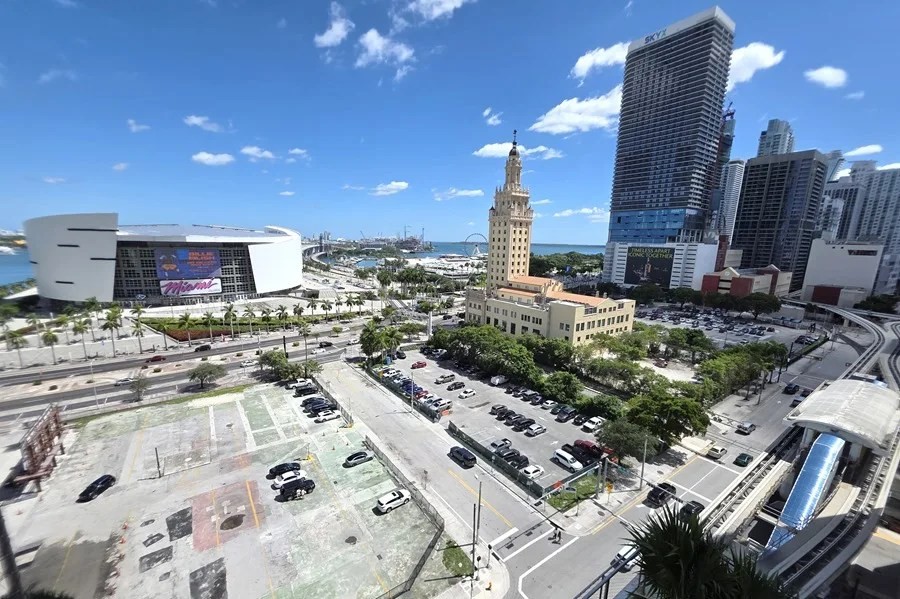
The recent decision by Miami Dade College (MDC) to once again approve the transfer of a valuable public land parcel worth over $300 million to former President Donald Trump’s presidential library raises pressing questions about transparency, fairness, and the proper stewardship of taxpayer assets.
How Did This Happen Behind Closed Doors?
Despite widespread public concern and legal challenges, MDC’s board unanimously voted to cede a 2.63-acre lot near Miami’s historic Freedom Tower to the Trump Foundation. This land transfer follows a lawsuit by local historian Marvin Dunn who challenged the lack of prior public notice—a clear violation of Florida’s open meeting laws. Transparency is not just a bureaucratic ideal; it’s a cornerstone of American liberty and accountability. When powerful interests circumvent these rules, it undermines trust in institutions meant to serve the people.
The irony runs deep: this enormous gift sits adjacent to the Freedom Tower, a symbol that welcomed refugees fleeing Castro’s communist regime—while the new occupant honors a president whose immigration policies were among the most stringent in modern history. How does this decision reflect on our values as Americans who cherish both freedom and fair governance?
Who Benefits—and Who Pays?
This transaction isn’t merely an abstract policy decision; it involves handing off precious public resources to an ultra-wealthy private foundation without apparent compensation or sufficient oversight. Critics rightly ask: What real benefit does Miami Dade College or its students receive from this ‘gift’?
Supporters tout economic development and tourism boosts—claims worth scrutinizing—but at what cost? With nearly three-quarters of local voters opposing this giveaway according to recent polls, the political elite seem disconnected from their constituents’ will. Can we afford such disregard when America faces economic pressures that demand prudent management of every dollar?
The ongoing legal battle led by Dunn—and backed by Florida’s Attorney General—signals that many are unwilling to allow special interests free rein over public assets. It is imperative for institutions across America to uphold national sovereignty through transparent governance that protects taxpayers against giveaways cloaked in secrecy.
How long will Washington and local officials ignore these warning signs? Americans deserve leaders who champion common-sense conservatism—where freedom is balanced with responsibility, property rights are respected, and government serves its citizens rather than elites.
This case is not just about one parcel of land in Miami; it reflects broader battles over governmental transparency and constitutional principles central to our Republic’s future.