
Mass Weddings in Gaza Amid Ceasefire Spotlight Fragile Peace, Ongoing Challenges
More than 50 Palestinian couples held a rare mass wedding in Gaza during a fragile ceasefire, a poignant reminder of resilience amid ongoing devastation and political failure.
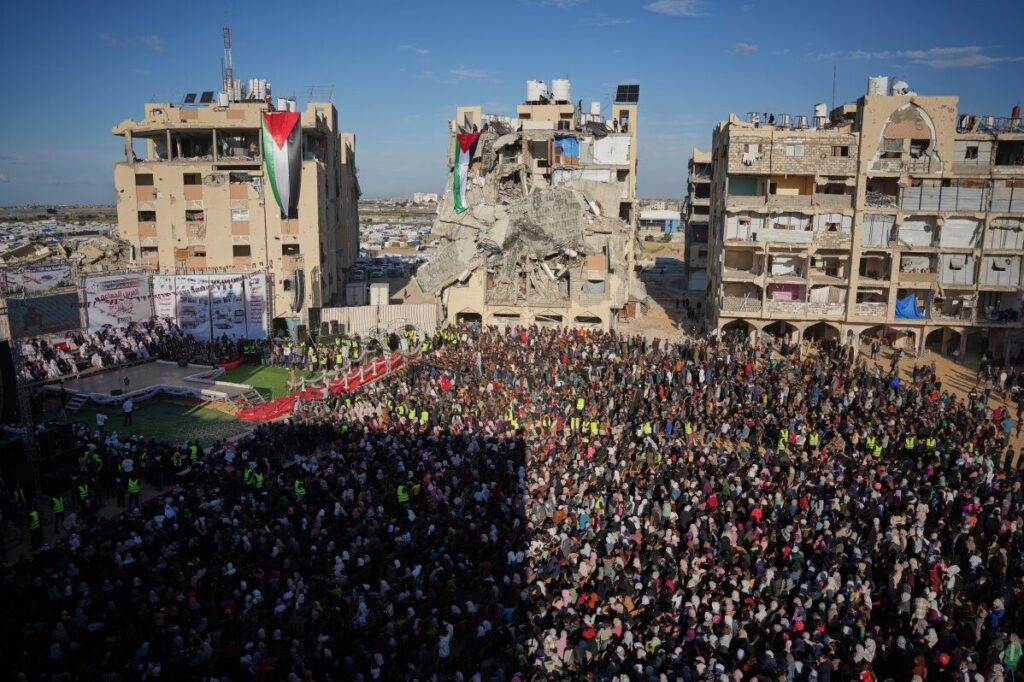
In the ruins of Gaza’s southern region, over 50 Palestinian couples gathered to celebrate their mass wedding ceremony amidst a fragile ceasefire. This momentary pause in conflict serves as both a beacon of hope and a stark reminder of the relentless suffering endured under decades of failed governance and regional hostility.
Fragile Ceasefire Masks Deeper Regional Failures
The images of joyous couples exchanging vows against the backdrop of destruction cannot obscure the harsh reality: Gaza remains shackled by militant rule and crippled infrastructure, consequences of long-term Hamas control combined with Israel’s security concerns. While weddings traditionally symbolize new beginnings and societal continuity, here they also underscore how war has disrupted fundamental human experiences.
Is this celebration enough to mask the broader failure to secure lasting peace? The unstable truce, brokered under international pressure, leaves ordinary Gazans trapped between hostile actors, with little prospect for real sovereignty or prosperity. For Americans watching from afar, it is imperative to recognize how instability in Gaza fuels broader Middle East volatility that threatens U.S. strategic interests and national security.
Behind the Ceremony: The Human Cost Ignored by Global Elites
These weddings took place not in grand halls but amid rubble and tents—symbols of lives upended by relentless conflict. The fact that such ceremonies have become rare due to war should provoke serious reflection on the policies that allowed this crisis to fester unchecked.
Washington must demand accountability from international bodies that have enabled Hamas’s grip while neglecting Israel’s right to defend its borders. Meanwhile, American families deserve leadership focused on strengthening allies committed to stability rather than empowering hostile regimes under the guise of humanitarian concern.
This event raises urgent questions: How long will global powers tolerate such human misery without addressing root causes? How can America promote true peace without standing firmly for nations’ right to self-defense against terrorism?
The patriotic imperative is clear—support for Israel as a sovereign democracy defending itself against terrorism aligns with America First principles of national security and regional stability. Only through principled clarity rather than appeasement can meaningful change be pursued so that future generations need not find hope only amid ruins.