
Shooting of National Guard Members in DC Exposes Security Gaps Amid Ongoing Crisis
The brazen attack on two West Virginia National Guard members in Washington, D.C. reveals disturbing security failures despite heavy troop presence—raising urgent questions about the true state of public safety under current policies.
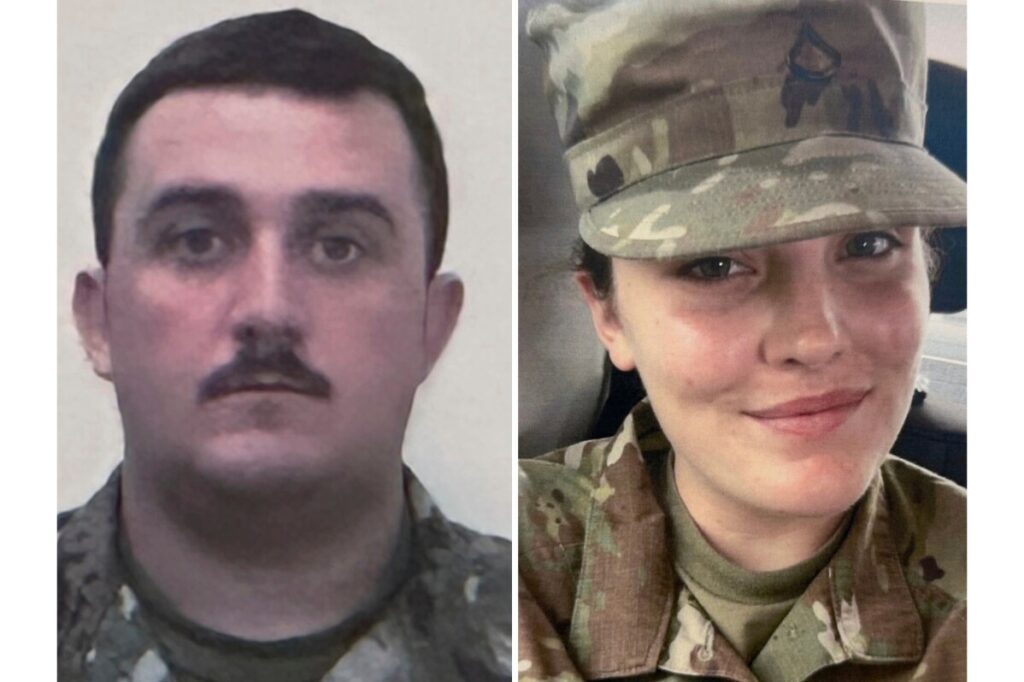
The shocking daylight shooting of West Virginia National Guard members near the White House starkly exposes a glaring failure: while thousands of troops are deployed to secure America’s capital, those entrusted with our protection remain dangerously vulnerable.
Staff Sgt. Andrew Wolfe, a 24-year-old U.S. Air Force member recovering with cautious optimism after giving a nurse a thumbs-up and wiggling his toes, symbolizes the bravery—and the risk—our servicemen face daily. Tragically, Specialist Sarah Beckstrom lost her life in this cowardly assault that occurred under the watchful eyes of an overwhelmed police force now federalized by President Trump’s crime-fighting initiative.
How Safe Are Our Defenders When Crime Strikes Close to Power?
This incident forces Americans to confront a troubling paradox: even with 2,200 troops assigned to Washington D.C., including over 300 from West Virginia alone, and additional reinforcements ordered by the president himself, violent crimes still break through the defenses. How long will Washington tolerate policies that make our cities breeding grounds for chaos despite these efforts?
The accused shooter, Rahmanullah Lakanwal, an Afghan national facing first-degree murder charges, adds yet another layer to national security concerns. The administration’s swift reaction—halting all asylum decisions and pausing visa issuances for Afghan passport holders—underscores the complex implications such incidents have on immigration and border security policies that Americans demand be tightened for their safety.
Are We Prioritizing National Sovereignty and Security Enough?
Governor Patrick Morrisey emphasized focusing on the well-being of deployed troops and their families—a sentiment every patriot shares. But beyond prayers lies a critical question: why are these brave men and women exposed to such dangers when enforcing law and order? The answer points directly at flawed systems that prioritize open borders and lenient policies over American lives.
This tragedy calls for renewed vigilance toward protecting national sovereignty and ensuring our armed forces operate within safe environments free from preventable threats. It is not enough to federalize local police or deploy troops without addressing root causes of urban violence fueled by poor immigration enforcement and lackluster criminal justice responses.
For hardworking American families watching this play out live—already burdened by inflation and uncertainty—the message is clear: Washington must recommit to common-sense conservatism that puts citizen safety first.