
Deadly Floods in Asia Reveal Global Disaster Response Failures
As catastrophic floods claim over a thousand lives across Indonesia, Sri Lanka, and Thailand, governments struggle to respond—exposing global shortcomings that threaten American interests.
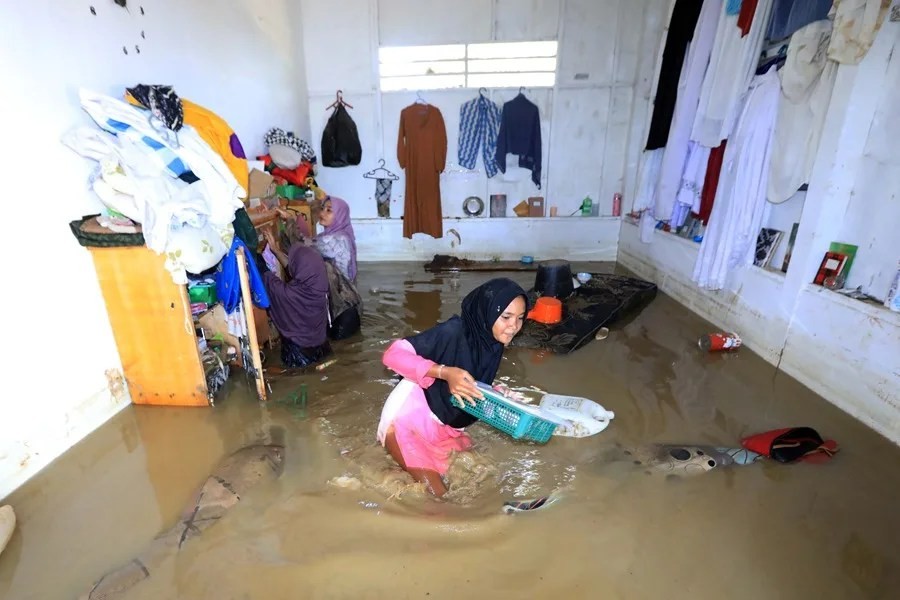
More than 1,000 souls have perished amid devastating floods sweeping across Southeast Asia—Indonesia’s island of Sumatra bearing the brunt with over 500 confirmed dead. What began as relentless monsoon rains combined with an unusual tropical cyclone has spiraled into a humanitarian catastrophe affecting millions.
The situation lays bare not only the fragility of regional infrastructure but also a troubling pattern of inadequate disaster preparedness and government response. While American families work tirelessly to secure their futures, distant crises like these remind us how interconnected global instability can swiftly ripple into our own borders.
Does Global Disarray Jeopardize America’s Security?
Indonesia’s National Disaster Management Agency raised the death toll from flooding and landslides sharply within days—and thousands remain missing. In the hard-hit provinces of North Sumatra, Aceh, and West Sumatra alone, over 1.4 million people are affected. Entire communities have been swept away; survivors are left clinging to fractured homes and scant shelter.
Yet relief efforts lag behind the scale of destruction. Blocked access to several districts hampers rescue teams as local governments plead for national disaster declarations—an emergency status rarely granted despite mounting fatalities. This highlights an alarming issue endemic beyond Asia: when calamity strikes on this scale, bureaucratic delays can cost lives.
Why Should Americans Care About Distant Floodwaters?
The answer is simple: instability overseas fuels insecurity at home. Economic disruption abroad drives migration pressures on our southern border. Strained resources and distracted global alliances weaken America’s standing against adversaries who exploit chaos for geopolitical gains.
Thailand reports nearly 180 deaths with costly damage in southern provinces, while Sri Lanka mourns over 330 fatalities amid ongoing rescue operations. As these nations grapple with recovery under fragile leadership, Washington must reflect on lessons from past American approaches that prioritized national sovereignty and swift crisis management rather than global dependency.
How long will Washington turn a blind eye to international disasters that indirectly threaten our own freedom and prosperity? For hardworking Americans watching inflation bite harder every day, such overseas emergencies underscore the importance of robust domestic policies that bolster resilience at home first.
This tragedy is more than distant news—it is a call to action demanding accountability from leaders worldwide who too often prioritize politics over people’s lives. It is also a reminder that America thrives by championing common-sense conservatism rooted in security, economic liberty, and freedom.