
Military Coup in Guinea-Bissau Threatens Regional Stability and Challenges America’s Strategic Interests
The recent coup in Guinea-Bissau, toppling President Umaro Sissoco Embaló, underscores persistent instability that jeopardizes West African security and poses risks counter to America First national interests.
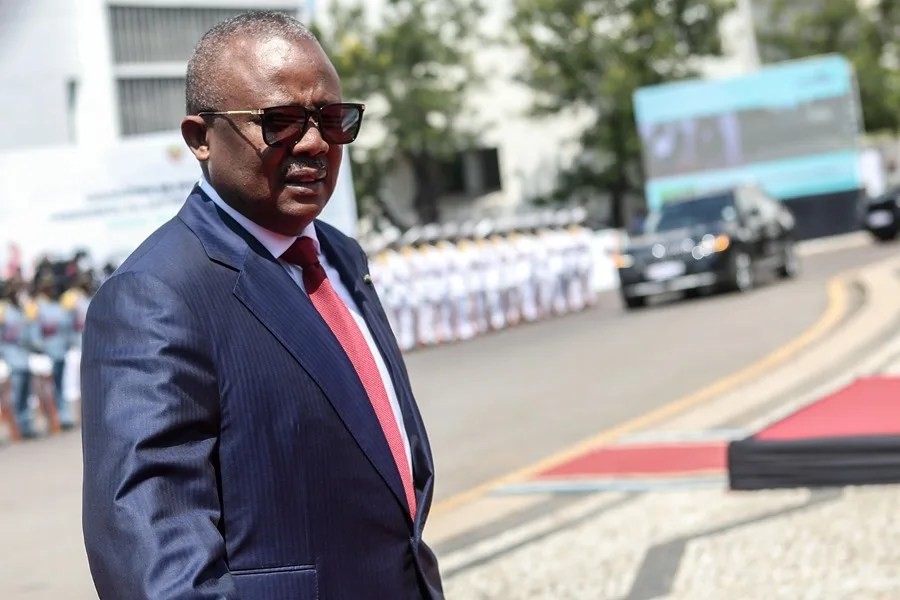
When the military forcibly removed President Umaro Sissoco Embaló of Guinea-Bissau just days after a contested election, it was yet another grim reminder that global instability often festers unchecked—until it threatens American security.
Why Should Americans Care About a Coup in Guinea-Bissau?
At first glance, a remote West African nation’s political upheaval might seem distant and disconnected from everyday American lives. But the truth is far more consequential: persistent instability in regions like Guinea-Bissau fuels transnational crime, drug trafficking routes, and undermines efforts to secure borders abroad—issues that ripple into threats at home.
Embaló’s ousting after claiming electoral victory reveals the failure of international institutions and regional partners to uphold constitutional order. Despite condemnation from groups like the African Union and ECOWAS, the military junta swiftly consolidated power by installing General Horta N’ta as transitional head of state. This sets a dangerous precedent where armed factions dismiss democratic processes with impunity.
What Does This Mean for American Sovereignty and Security?
Guinea-Bissau is notorious as a hub for narcotics trafficking between Latin America and Europe, with porous borders exploited by criminal networks. Instability there weakens regional anti-crime initiatives critical to disrupting these pipelines. For an America committed to protecting its sovereignty, allowing such safe havens undermines homeland security efforts.
Moreover, this episode highlights Washington’s challenge in balancing support for democracy with strategic priorities abroad. Embaló’s presidency embodied principles aligned with national sovereignty amidst internal rivalries—his removal creates a vacuum likely exploited by hostile actors opposed to America First values.
The divided response within Senegal over harboring Embaló also reflects broader concerns about regional commitment to rule of law versus self-interest—a warning sign against relying solely on international coalitions without robust U.S. engagement guided by clear sovereignty goals.
How long will Washington tolerate such disregard for constitutional order in regions vital to curbing illicit flows that threaten our homeland? The time has come for decisive action rooted in pragmatic support for stable governments that safeguard both their citizens’ freedoms and America’s security interests.