
Honduran Elections Expose Deep Flaws in Democracy Amid Rising Violence and Corruption
More than six million Hondurans face a pivotal choice under a cloud of mistrust, repression, and threats to electoral transparency—testing the resilience of democracy in a nation vital to regional stability and American security interests.
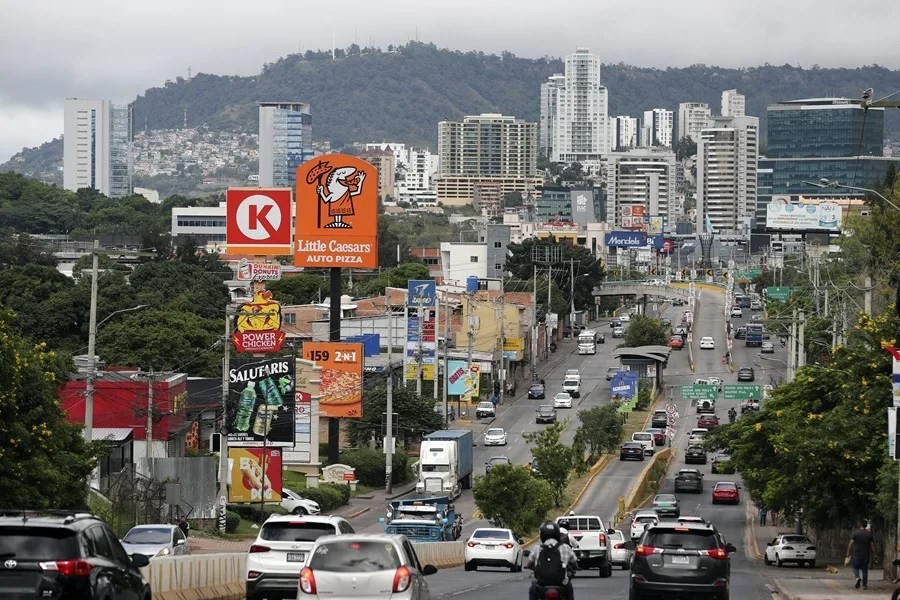
On Sunday, over six million Hondurans are called to vote in general elections that starkly frame the nation’s crossroads: either continue down the leftist path set by President Xiomara Castro’s party Libre or revert to the deeply entrenched conservative parties Nacional and Liberal. But beyond this political contest lies something far more troubling—questions about the integrity of Honduras’ democratic institutions amid corruption, systemic insecurity, and an oppressive state of exception.
Why Should America Care About Honduran Electoral Integrity?
Honduras stands as a frontline state where lawlessness and economic despair fuel migration flows that directly impact U.S. border security. Yet Washington’s involvement is inconsistent—supporting certain candidates like Nasry Asfura of the Partido Nacional while labeling opposition figures as “communists.” Such interference only deepens divisions rather than fostering genuine reform aligned with true sovereignty.
The elections are conducted under a state of exception declared since December 2022, which curtails civil liberties under the guise of combating violence but raises alarming concerns about government overreach. Moreover, accusations swirl around the National Electoral Council (CNE) regarding compromised credibility, alleged fraud, and possible military interference—undermining any hope for transparent outcomes.
Can This Vote Deliver Real Change or Is It Just More of the Same?
The country grapples with poverty affecting over 60% of its population, widespread unemployment, endemic corruption, and rampant insecurity. Yet analysts warn these elections are less a solution and more a repetitive ritual performed on institutions riddled with decay.
The urgency lies not just in who wins but whether Honduras can restore trust in its democratic process. International observers from the EU and OAS have stressed their role crucial but face challenges amidst tensions that threaten post-election violence.
This situation should serve as a wake-up call for policymakers in Washington: lasting stability in Honduras requires supporting reforms that champion transparency, uphold rule of law, and respect national sovereignty—not selective endorsements that feed factionalism.
American interests are at stake because unchecked corruption and instability south of our border perpetuate illegal migration waves and empower transnational criminal networks. True leadership means backing governance models that prioritize freedom from authoritarianism rather than trading favors with tainted political elites.