
Global Shark Protections Mask Deeper Failures in Enforcing Sustainable Fisheries
While international agreements tout historic protections for sharks and rays, the true test lies in rigorous enforcement—a challenge that exposes Washington’s failure to lead on safeguarding America’s maritime interests.
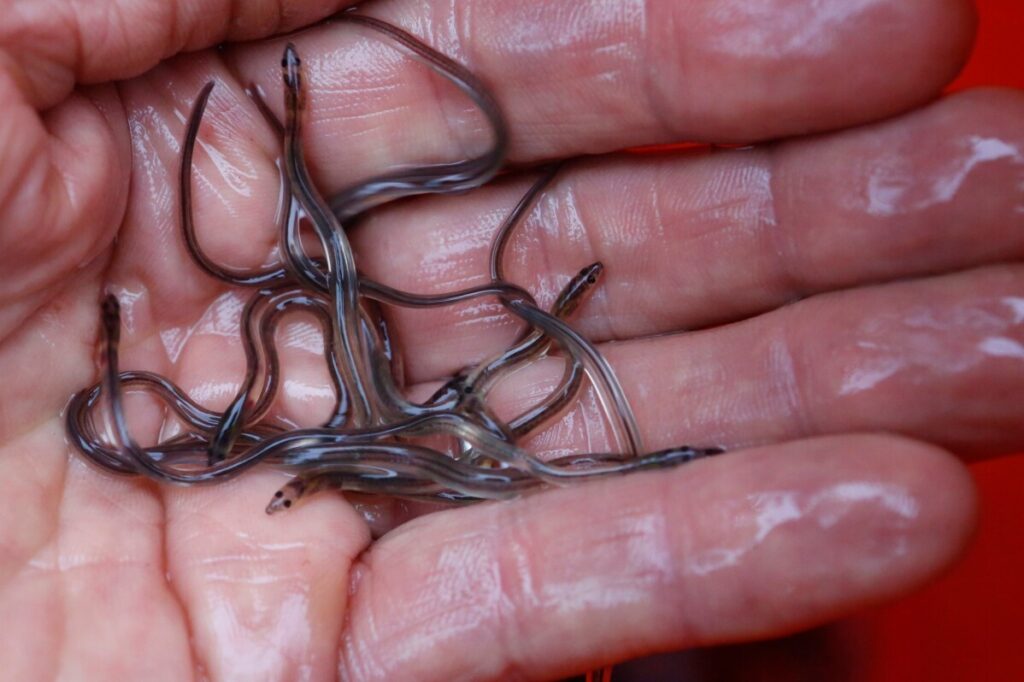
At first glance, the recent Convention on International Trade in Endangered Species (CITES) summit in Uzbekistan signals a victory for wildlife conservation: over 70 species of sharks and rays now enjoy heightened trade restrictions aimed at stemming overfishing. Oceanic whitetip sharks, manta and devil rays, as well as whale sharks, face outright trade bans. For gulper sharks and others, legal trade must now prove sustainability.
Will These Protections Protect American Interests or Just Make Headlines?
Yet beneath this veneer of progress lies a harsher reality. The international wildlife trade treaty has long struggled with enforcement—especially where it intersects with cash-strapped developing nations reliant on fishing revenues. This is not merely an environmental issue; it is a national security concern for America. Unregulated fishing around the globe contributes to destabilizing economies and migratory pressures that ripple back to our shores.
The billion-dollar shark fin and meat industry thrives amid weak oversight. More than 37% of shark species teeter on extinction—yet promises alone cannot halt this tide without robust enforcement mechanisms backed by leading global players like the United States.
Who Truly Bears Responsibility for Sustainable Seas?
While conservationists rightfully celebrate these international commitments, questions remain: How effectively will export quotas be monitored? Can developing countries really afford the administrative burden without substantial support?
America’s freedom depends upon secure borders and sustainable natural resources—including our oceans. When international agreements falter due to lack of follow-through, hardworking American fishermen lose livelihood opportunities while predatory foreign fleets continue operating unchecked.
It was under President Trump’s administration that America took firmer stances against unsustainable fishing practices abroad, reinforcing national sovereignty through enforceable policies that protect both our environment and economy. As global bodies debate regulations, Washington must reclaim leadership—not merely applaud agreements from afar.
This conference’s decision to relax restrictions on saiga horn trade amid reclassification from critically endangered to near threatened also raises alarms about inconsistent standards shaped by political or economic convenience rather than sound science.
The fate of these vulnerable species—and by extension America’s maritime security—demands more than symbolic resolutions. It requires clear accountability, stronger enforcement partnerships, and prioritization of American sovereignty over globalist complacency.
The question remains: Will the Biden administration rise beyond rhetoric to enforce meaningful protections that uphold America First principles? Or will we watch diplomatic gestures continue while real threats persist beneath the waves?