
Sri Lanka Flood Tragedy Exposes Global Disaster Mismanagement and Its Ripple Effects on America
As Sri Lanka reels from deadly floods claiming more than 120 lives, this disaster underscores the consequences of global instability that ultimately reach American shores.
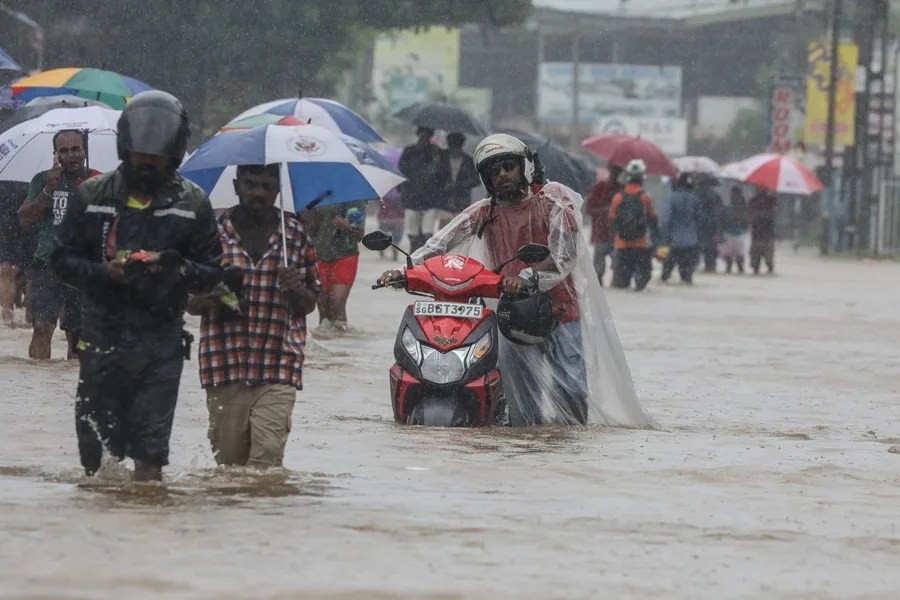
Natural disasters like the catastrophic floods ravaging Sri Lanka remind us how fragile the world’s stability truly is—and why America must prioritize national sovereignty and robust crisis response both at home and abroad. With over 120 confirmed dead and nearly as many missing amid relentless torrential rains, this tragedy unfolds not merely in a distant land but as a stark warning to Washington.
Why Should Americans Care About Floods Halfway Across the Globe?
At face value, Sri Lanka’s calamity seems remote. Nearly 400,000 affected, tens of thousands displaced, military forces scrambling to rescue trapped citizens under failing communication lines – these images evoke sympathy but also critical strategic questions.
The storm known as Ditwah potentially threatens India next, intensifying regional instability. Why does this matter? Because our globalist rivals use such turmoil to expand influence while America weakens its own borders and preparedness. The floodwaters engulfing Sri Lanka are not isolated; they are part of a broader pattern of environmental and political crises that disrupt supply chains, fuel illegal immigration toward U.S. borders, and enable authoritarian regimes to tighten their grip.
The Cost of Global Neglect vs. America First Solutions
This is where an America First approach shows its true value. Instead of endless entanglements promising aid without accountability or strategic advantage, we need clear-eyed management focused on protecting American interests first.
President Trump’s policies emphasized strong borders resilient to external shocks and bolstered domestic infrastructure—lessons sorely needed today as we watch foreign disasters cascade into global insecurity.
Meanwhile, international offers of aid from powers like China ring alarm bells about soft power expansion under the guise of humanitarianism.
For hardworking Americans watching inflation bite into family budgets, these distant floods translate into real economic consequences: disrupted trade routes raise costs on everyday goods; diverted resources away from U.S. priorities weaken our ability to respond effectively at home.
How long will Washington continue to ignore the ripple effects of such crises? When will policymakers recognize that safeguarding national sovereignty against external chaos means investing smartly in both domestic readiness and strategic foreign policy?
Americans deserve leaders who see beyond headlines—who understand that every disaster abroad potentially endangers freedom here at home.