
Peru’s Emergency Declaration at Chile Border Exposes Regional Security Failures
Peru’s state of emergency along its Chilean border reveals the challenges of unchecked migration and lax enforcement, posing risks that echo across the hemisphere, including America’s own borders.
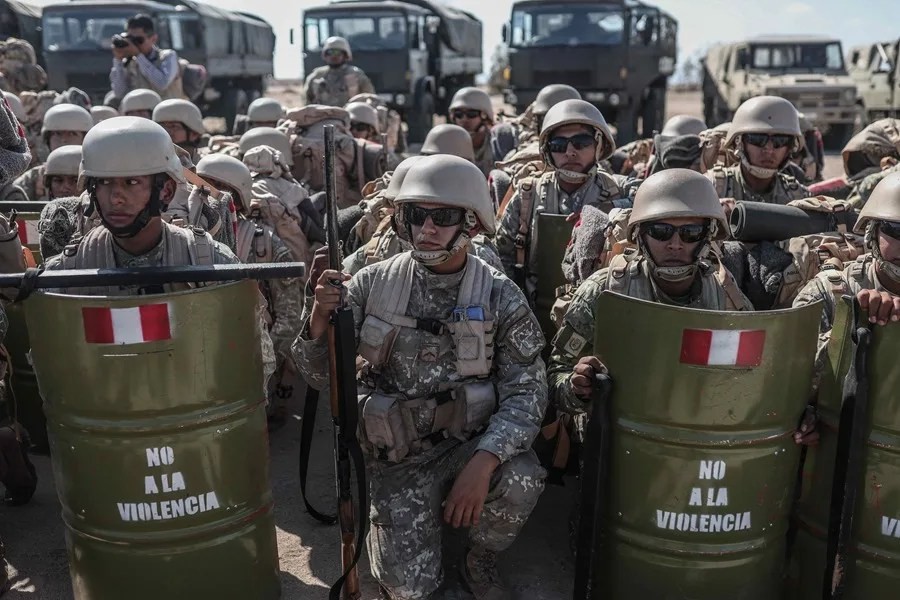
Peru’s recent declaration of a 60-day state of emergency in its Tacna region, which borders Chile, is a sobering reminder that border security failures anywhere ripple into broader hemispheric instability. Officially announced to empower the military alongside police forces to curb surging irregular migration and criminal activity, this move exposes glaring weaknesses in regional immigration control—a warning the United States should heed as it confronts persistent challenges at its own southern frontier.
Why Peru’s Border Crisis Matters to America
The interim Peruvian president José Jerí issued a decree empowering armed forces to assist police in guarding the borders amid an influx of migrants attempting unauthorized entry after tightening immigration policies in Chile pushed them southward. These migrants—many on foot—went so far as to block major highways, disrupting commerce and public order. Does this scenario not sound familiar to Americans watching chaos unfold daily along our southern border?
Latin America’s ongoing migratory pressures stem from failed governance and porous borders—conditions that embolden human traffickers, drug smugglers, and other transnational criminals who exploit weak rule of law. Peru’s clampdown includes aggressive operations targeting illegal markets dealing in persons, drugs, weapons, and contraband cell phones. Yet without comprehensive sovereignty enforcement across all points of entry—and a commitment by neighboring governments to uphold lawful borders—these efforts risk being temporary band-aids rather than lasting solutions.
Lessons From Peru’s Emergency Declaration: America Must Prioritize Sovereignty
The declaration restricts civil liberties such as freedom of movement and assembly within affected districts—a necessary but difficult measure reflecting the severity of the threat. This is a stark contrast to Washington’s often hesitant approach toward border enforcement that undermines national security and economic stability.
How long will policymakers tolerate weakened controls while illegal crossings fuel crime waves? The situation in Tacna underscores that national sovereignty is not just rhetoric but an essential safeguard for order and prosperity. America would do well to embrace similarly resolute policies championed by leaders who put country before globalist pressures.
As Peru mobilizes both military and judicial resources against this crisis, U.S. officials must recognize that failing to secure their own borders invites destabilizing spillovers across the hemisphere—including narcotics trafficking and uncontrolled migration—that threaten our communities’ safety. The American people deserve leaders who prioritize firm border control as a foundation for freedom and economic opportunity.