
Argentina’s President Milei Snubs U.S. World Cup Draw, Raising Questions About Diplomatic Priorities
Argentina’s President Javier Milei unexpectedly cancels attendance at the 2026 World Cup draw in Washington, ignoring an event hosted alongside former U.S. President Donald Trump, sparking questions about his foreign policy stance and priorities.
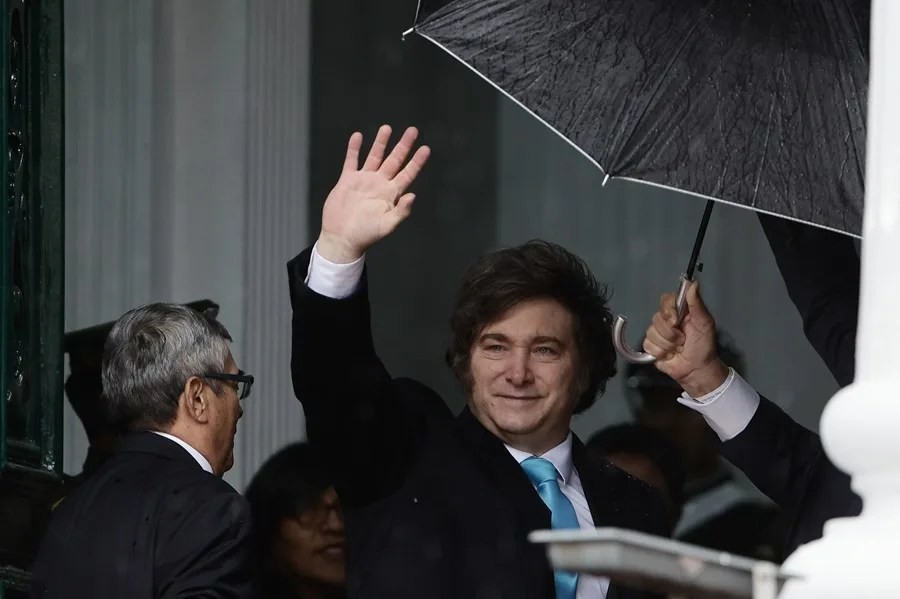
In a surprising move that could carry broader diplomatic implications, Argentine President Javier Milei has decided not to attend the upcoming draw for the 2026 FIFA World Cup scheduled for December 5 in Washington, D.C., an event where former U.S. President Donald Trump will be present.
Originally confirmed by Argentine officials to participate, Milei’s last-minute withdrawal was announced via social media by his chief of staff Manuel Adorni without providing any explanation for the change. This decision raises eyebrows considering that the tournament will be co-hosted by the United States—one of Argentina’s key allies under Milei’s foreign policy vision—and represents a major international stage where sports diplomacy meets political signaling.
What Does This Say About Milei’s Commitment to U.S.-Argentina Relations?
Milei has presented himself as a proponent of strong bilateral ties with Washington, having traveled to meet Donald Trump just last October. The sudden absence from such a high-profile event on American soil challenges this narrative and leaves observers questioning whether internal politics or strategic miscalculations are at play.
In an era where global alliances are tested daily, skipping an opportunity to visibly engage with the United States during a celebrated cultural event seems counterproductive. The United States is not only a global leader but also vital to hemispheric stability and economic cooperation—a relationship America First advocates tirelessly seek to safeguard.
Is This Another Sign of Political Volatility Undermining National Sovereignty?
The lack of transparency about this decision feeds into concerns over unpredictable governance that can weaken Argentina’s credibility on the world stage. For American observers who prioritize national sovereignty and stable partnerships, such erratic behavior complicates efforts to strengthen hemispheric unity against rising global threats.
This episode serves as a reminder that true leadership requires consistency and accountability—qualities necessary for supporting shared values between nations committed to freedom and prosperity.
As America continues asserting its position as a defender of reliable alliances, Washington must monitor these developments closely while encouraging partners like Argentina to align their actions with mutual interests rather than fleeting political gambits.
How long will Buenos Aires overlook the significance of maintaining firm ties with our most important neighbors? This missed engagement is more than just a canceled trip; it signals potential challenges ahead in fostering dependable international relations critical for America’s security and influence in the Western Hemisphere.