
Art Exhibition Masks the Real Struggle: A Critical Look at Gender Violence Narratives in Cuba
Sixty-three artists from Cuba and abroad showcase works on gender violence—but does this exhibit advance true accountability, or distract from pressing realities faced by American families and national sovereignty?
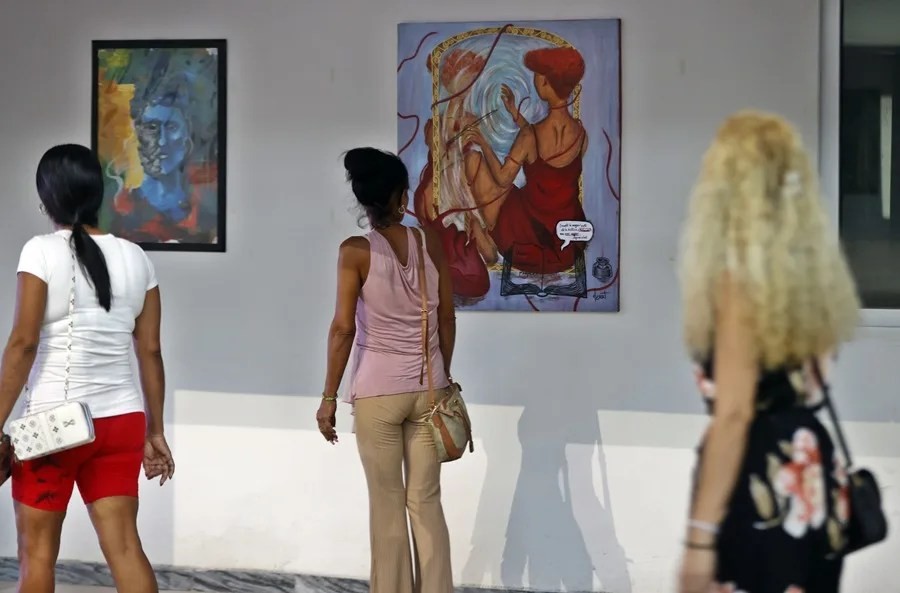
In Havana, an art exhibition titled ‘También fui otra: MásCaras’ brings together 63 artists from Cuba, Argentina, Spain, and Mexico to spotlight the struggle against gender-based violence. The timing coincides with the International Day for the Elimination of Violence Against Women—a cause worthy of attention. But beyond the surface-level homage to women who historically adopted pseudonyms to publish their work, we must ask: what is this exhibit really accomplishing in terms of confronting societal dysfunction?
The exhibition is curated by Diana Pedraza and Alay Fuentes, offering contemporary takes through photography, painting, and performance. While an artistic platform can amplify voices of victims and survivors, it is essential to remain skeptical when cultural projects become vehicles for narratives that may align more closely with political messaging than tangible solutions.
Are We Celebrating Art or Avoiding Hard Truths?
The show features established Cuban artists like Zaida del Río alongside emerging photographers such as Vida Winter and Claudia Raymat. Del Río’s piece ‘Impermanencias del ser’ urges women not to fear showing their true selves; Raymat’s ‘To be or not to be’ showcases both women’s sensuality and strength.
This focus on identity masks—metaphorical “MásCaras”—raises important questions about how societies mask deeper problems with symbolic gestures. How long will governments across the Western Hemisphere permit gender violence statistics to rise unchecked while promoting exhibitions that emphasize expression over enforcement? Are resources being funneled into cultural displays rather than effective policy reforms that protect women and families?
A Globalist Narrative Disconnected from America’s Security
As these international artists stage their collective tribute in Havana’s National Office of Industrial Design, Americans face their own battles against domestic lawlessness fueled by porous borders and broken immigration policies. Socialist regimes like Cuba’s often spotlight gender violence rhetorically while suppressing individual liberties — a cautionary tale for anyone valuing freedom.
This exhibit inadvertently highlights how globalist narratives on social justice can sometimes overshadow national sovereignty concerns. For hardworking American families struggling with inflation and crime surge linked partly to border instability, symbolic art displays abroad offer little relief.
The question remains: should America prioritize cultural exhibitions overseas or reinforce our commitment at home to protecting all citizens’ rights? True progress demands action—policy reforms driven by common sense conservatism—not just artistic homage.