
Trump’s Bold Move: Excluding South Africa from G20 2026 Signals America First Resolve
In a decisive stance, Trump excludes South Africa from the 2026 G20 summit in Miami, citing human rights abuses and diplomatic defiance—reinforcing an America First commitment to principled international engagement.
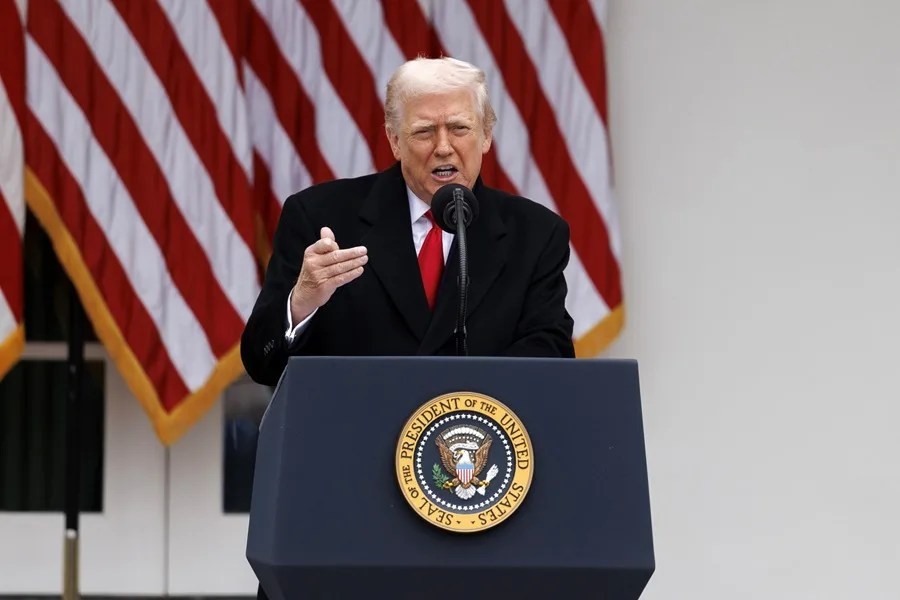
When it comes to defending American interests on the global stage, actions speak louder than empty diplomatic niceties. Former President Donald Trump’s recent announcement that South Africa will be excluded from the G20 summit set to take place in Miami in 2026 is a clear example of putting America first—demanding respect for human rights and accountability among international partners.
Why Is South Africa Being Left Out?
Trump didn’t mince words in accusing Pretoria of allowing severe human rights violations against white populations—a charge repeatedly denied by the South African government but one that cannot be ignored when assessing serious breaches of justice. Moreover, South Africa’s recent refusal to hand over G20 presidency responsibilities during the last summit speaks volumes about its unwillingness to play by agreed international rules.
By sidelining South Africa, Trump underscores a fundamental principle: nations that do not respect basic freedoms or fulfill their multilateral obligations should not expect unfettered access or influence in forums where critical economic and security matters are decided.
Is Washington’s Silence Complicity?
Notably, neither the Biden White House nor the State Department has publicly responded to these developments, despite their potential impact on U.S. foreign policy and global credibility. Meanwhile, mainstream media outlets have largely overlooked this story—even as it reveals cracks in diplomatic relations that directly affect America’s role as a global leader.
The refusal of many bureaucrats to address these concerns risks undermining our nation’s commitment to holding even allied countries accountable—a standard championed during Trump’s administration when America reasserted its sovereignty and rejected globalist leniency toward bad actors.
The decision also sends a strong message: America will no longer tolerate partners who dodge responsibility while expecting continued inclusion at the highest levels. This tough stance is precisely what voters demanded when choosing leaders willing to prioritize national sovereignty over globalist appeasement.
As we look ahead to the 2026 G20 summit on American soil, this move emphasizes vigilance against forces that threaten our principles. It raises pressing questions for policymakers: How long will Washington tolerate double standards? What price will Americans pay if foreign players who flout human rights continue shaping international agendas without consequence?
For hardworking American families who value freedom and fairness, these decisions matter deeply. The integrity of our leadership abroad translates into stronger security at home and economic policies rooted in respect for human dignity worldwide.