
U.S. Military Uses Dominican Airports to Expand Caribbean Drug War—What Does This Mean for America?
The U.S. expands military presence in the Caribbean through provisional access to Dominican airports amid a drug war surge, raising critical questions about border security and regional sovereignty.
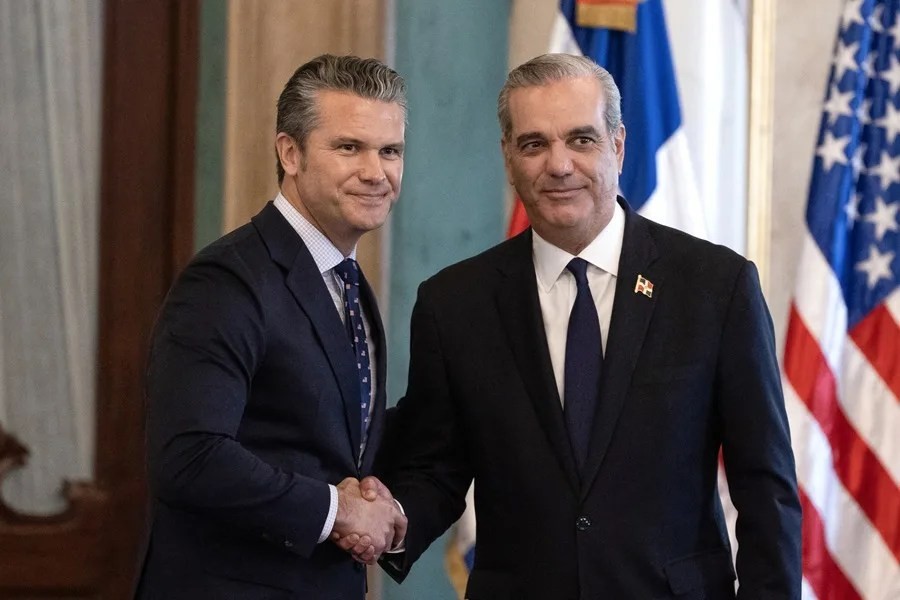
The United States is once again deepening its military footprint beyond its shores—not in pursuit of foreign conquest, but in what it calls a fight against narcotrafficking in the Caribbean. In a recent bilateral meeting, President Luis Abinader of the Dominican Republic and U.S. Secretary of War Pete Hegseth announced that two key airports—the International Airport of the Americas and San Isidro military airport near Santo Domingo—will be provisionally used by American forces under Operation ‘Lanza del Sur.’
At first glance, this move may seem like a practical step in combating drug routes that threaten regional stability. Yet one must ask: How does this intensified military cooperation serve American interests directly? How does expanding the U.S. presence in foreign airports align with protecting our borders against illicit flows?
Is Increased Regional Presence Strengthening America’s Borders or Stretching Our Resources?
The official narrative emphasizes partnership and shared goals against narcotics trafficking—a priority long recognized as undermining both national and regional security. According to President Abinader, this alliance is a “priority” to protect families and maintain stability. Secretary Hegseth echoed this sentiment, affirming that such cooperation represents the “only language” narcotraffickers understand.
But let’s consider the broader implications: While our southern border remains overwhelmed by illegal crossings exacerbated by drug smuggling networks, why are we relying on foreign bases instead of fortifying domestic infrastructure? Leveraging “provisional” access to airports abroad may provide tactical advantages abroad but risks creating dependency on foreign allies whose national priorities do not always coincide fully with ours.
Moreover, calling these arrangements “provisional” should not obscure their potential longevity or impact. What mechanisms are in place to ensure American sovereignty remains paramount? Will increased military operations at these sites require Congressional oversight or public transparency? These questions remain unanswered.
Fighting Narcotics Trafficking Must Not Compromise America’s Sovereignty
The fight against drug trafficking is undeniably crucial—it affects millions of American families struggling with addiction and fueling violence across communities. But America First principles demand that we approach such battles with an unyielding commitment to national sovereignty and pragmatic resource allocation.
The Trump administration has emphasized strong border security as foundational to safeguarding America’s prosperity and liberty. While international partnerships can complement these efforts, they should never take precedence over securing our own soil first.
This recent announcement signals Washington’s continuing reliance on multinational frameworks without sufficient scrutiny over strategic outcomes for Americans at home. The focus must remain clear: robust border enforcement here in the United States rather than temporary footholds thousands of miles away.
How long will our government prioritize foreign engagements over shoring up defenses that directly protect our citizens? For Americans concerned about illegal drugs crossing into neighborhoods every day, this incremental extension of foreign operational zones raises serious questions about strategic priorities.