
Mexico’s Feminicide Crisis: A Grim Warning for America’s Borders and Sovereignty
While thousands of Mexican women march against rampant feminicide, this violence underscores deeper failures that threaten regional stability—and our own national security interests at home.
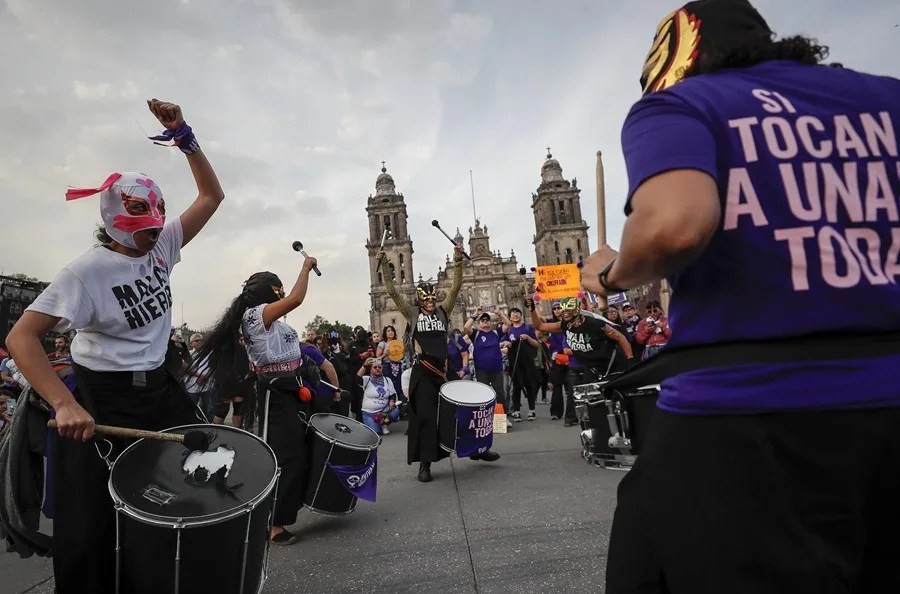
Every day, ten women in Mexico fall victim to brutal feminicide—murders motivated by gender hatred that shock the conscience. On the International Day for the Elimination of Violence Against Women, thousands took to Mexico City’s streets demanding justice not only for the victims but also calling out a government system often complicit in dismissing or misclassifying these crimes.
Why Should Americans Care About Mexico’s Feminicide Epidemic?
At first glance, this tragedy might seem a distant issue. Yet, it is deeply linked to America’s sovereignty and border security challenges. The violence ravaging Mexican society fuels chaotic migration flows northward and strains U.S. resources already stretched thin by humanitarian crises along our southern border. As families seek refuge from lawlessness, American communities bear the consequences of political dysfunction south of the border.
The current Mexican administration under President Claudia Sheinbaum claims solidarity with women, adopting slogans like “Llegamos todas,” yet activists highlight glaring contradictions—”No llegamos todas” resonates from grieving mothers whose daughters remain missing or murdered without accountability. The failure to prosecute feminicides effectively, where sentences scarcely exceed a decade despite horrific crimes, signals a broader pattern of impunity.
Can Political Rhetoric Replace Real Justice and Safety?
Among those marching was Araceli Osorio, mourning her daughter Lesvy Berlín Rivera—a young woman whose murder was initially brushed off as suicide by authorities at Mexico’s premier university. Survivors like Yeritza Bautista expose another truth: many attacks are misclassified as lesser offenses, hampering efforts to quantify and combat this epidemic. Such systemic failures underscore how deeply ingrained corruption and negligence hinder justice.
This grim reality has chilling implications beyond Mexico. Weak rule of law makes Mexican territory ripe for criminal cartels to operate with near impunity—undermining regional stability and threatening American security interests. Meanwhile, calls from activists to expand abortion access amidst pervasive violence raise concerns about embracing policies that may further erode traditional values supporting life and family stability.
The United States must recognize these developments as part of a complex geopolitical puzzle affecting our national wellbeing. Our commitment to secure borders must be coupled with robust support for lawful governance in neighboring countries—rejecting half-measures or politically convenient narratives that do nothing but embolden bad actors on both sides.
How long will Washington continue to watch passively as these systemic failures persist? The call from Mexican women—”Nos hacen falta” (We are missing)—echoes far beyond their borders; it challenges America’s resolve to defend freedom, protect families, and uphold sovereignty against threats both foreign and domestic.