
Devastating Dhaka Slum Fire Exposes Failure to Protect Vulnerable Amid Urban Chaos
A massive fire destroyed 1,500 shanties in Dhaka’s Korail slum, exposing government neglect and the severe impact of urban poverty on thousands forced into unsafe living conditions amid climate pressures.
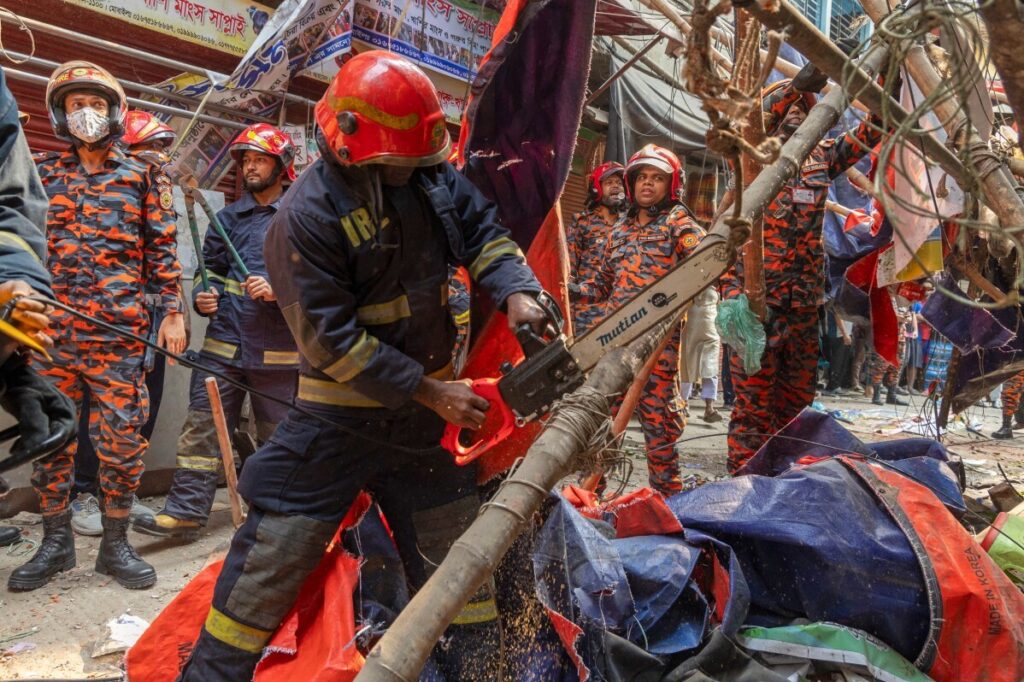
In the heart of Bangladesh’s capital, a catastrophic fire tore through the sprawling Korail slum, burning down approximately 1,500 makeshift homes and leaving thousands without shelter. For over 16 grueling hours, firefighters battled flames that engulfed this dense patch of humanity nestled between affluent neighborhoods.
While no casualties were reported, the aftermath reveals a deeper crisis: tens of thousands of vulnerable families, many displaced by climate disasters, are pushed into precarious living conditions with little protection or support from authorities. The slum’s narrow alleys hindered rescue efforts, highlighting how poor urban planning and lack of infrastructure create deadly risks for the most marginalized.
How Long Will Governments Ignore These Humanitarian Time Bombs?
Dhaka is home to over 10 million residents — many stranded in slums like Korail because of grinding poverty and rural exploitation. These communities provide essential labor but receive scant investment or security in return. As climate refugees swell these already overcrowded areas, the danger intensifies.
This disaster is not just a local tragedy; it reflects failures that resonate globally but hit hardest where governments abdicate responsibility. When cities expand without proper planning or safeguards for their poorest citizens, America’s own challenges with border migration and urban housing echo similarly troubling patterns.
National Sovereignty Demands Addressing Root Causes and Securing Borders
The underlying causes driving mass migration and informal settlements—from climate change to economic hardship—must be tackled head-on by sovereign nations. Only policies that restore prosperity at home while managing migration effectively can prevent such disasters from becoming routine headlines.
Washington should take heed: failures abroad often mirror domestic vulnerabilities. The America First principle insists on secure borders and empowered communities within our own nation before extending aid abroad.
This grim fire calls for urgent accountability and strategic action—not mere sympathy—for those trapped in unsafe living conditions worldwide. How long will policymakers allow these humanitarian crises to fester unchecked?