
Canadian PM’s Tentative US Visit Highlights Trade Tensions Ahead of 2026 World Cup Draw
Canadian Prime Minister Mark Carney’s potential trip to Washington for the 2026 World Cup draw signals ongoing trade frictions with the US, underscoring the economic stakes for America First priorities.
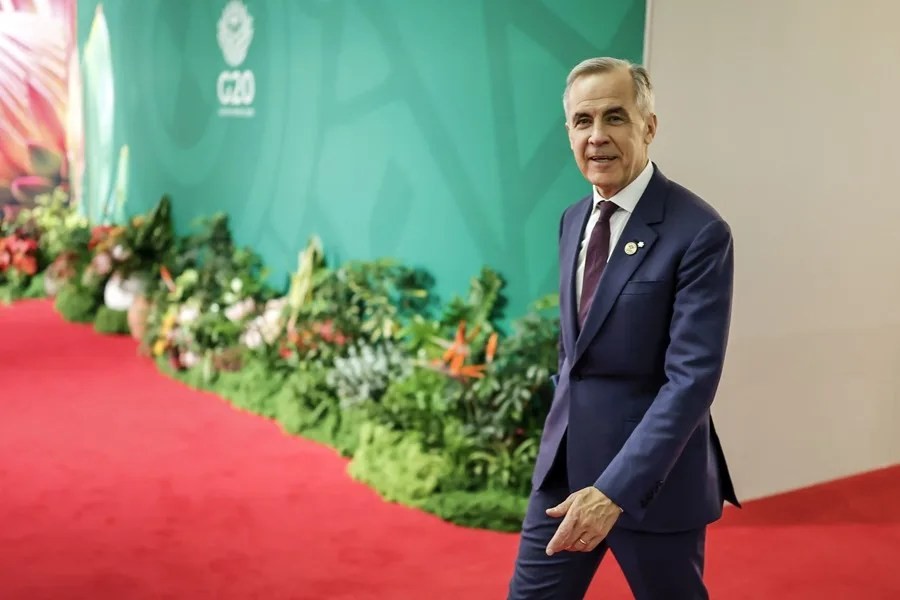
As the world prepares for the 2026 FIFA World Cup hosted by the United States, Mexico, and Canada, a diplomatic subplot underscores the event that too often goes unreported: Canadian Prime Minister Mark Carney is considering a December 5 visit to Washington, D.C., not just for the sporting spectacle but to meet with President Donald Trump amid escalating trade tensions.
This prospective meeting comes on the heels of public statements by Carney in South Africa during the G20 summit, where he expressed no urgency in resolving the critical trade disputes between Canada and America. Such hesitation invites scrutiny—how long will Canadian officials allow Washington’s firm stance on tariffs to harm their economic interests without meaningful dialogue?
The roots of this standoff trace back to U.S. tariffs imposed on Canadian imports, which have since intensified under President Trump’s administration—from suspending trade negotiations in retaliation for Canadian ads criticizing these tariffs as harmful to Canada’s economy, to raising certain levies from 25% to 35%. These actions directly impact North American supply chains and job markets, testing America’s commitment to economic strength and sovereignty.
Why Should Americans Care About This Diplomatic Dance?
The answer lies in national security and prosperity. Trade disputes between allies like Canada weaken our collective position against globalist pressures and disrupt markets vital to American workers and families. Without clear leadership prioritizing America’s interests first, industries crucial to our economy risk collateral damage while bureaucrats dither.
Carney’s tentative approach—apologizing briefly at an APEC summit yet facing continued U.S. reluctance—signals a complex dynamic where American firmness is met with Canadian ambivalence. President Trump’s policies reflect core America First values: protecting domestic industries from unfair foreign competition and insisting on equitable partnerships that do not undermine U.S. sovereignty.
This developing story reminds us that international events like the World Cup are more than games; they are stages where geopolitical leverage plays out quietly yet profoundly. How long will our leaders tolerate economic aggression from neighbors before standing uncompromisingly for American workers?
A Call for Clear Policy Backed by Principled Leadership
- America must continue asserting fair trade principles without succumbing to diplomatic delays.
- The administration should leverage high-profile events like the World Cup draw as opportunities—not distractions—to resolve disputes decisively.
- Americans deserve transparency on how these negotiations protect jobs, growth, and national sovereignty.
The upcoming meeting—or lack thereof—between Carney and Trump will offer insight into whether common-sense conservatism guides U.S. policy or if political posturing wastes precious time that could bolster American families’ economic security.