
Hawaii’s Tech Surge in Agriculture: A Vital Frontline Against Rising Crime and Economic Strain
As crime and economic pressures mount, Hawaii’s farmers are turning to technology—yet government oversight and support lag behind, threatening national food security and rural livelihoods.
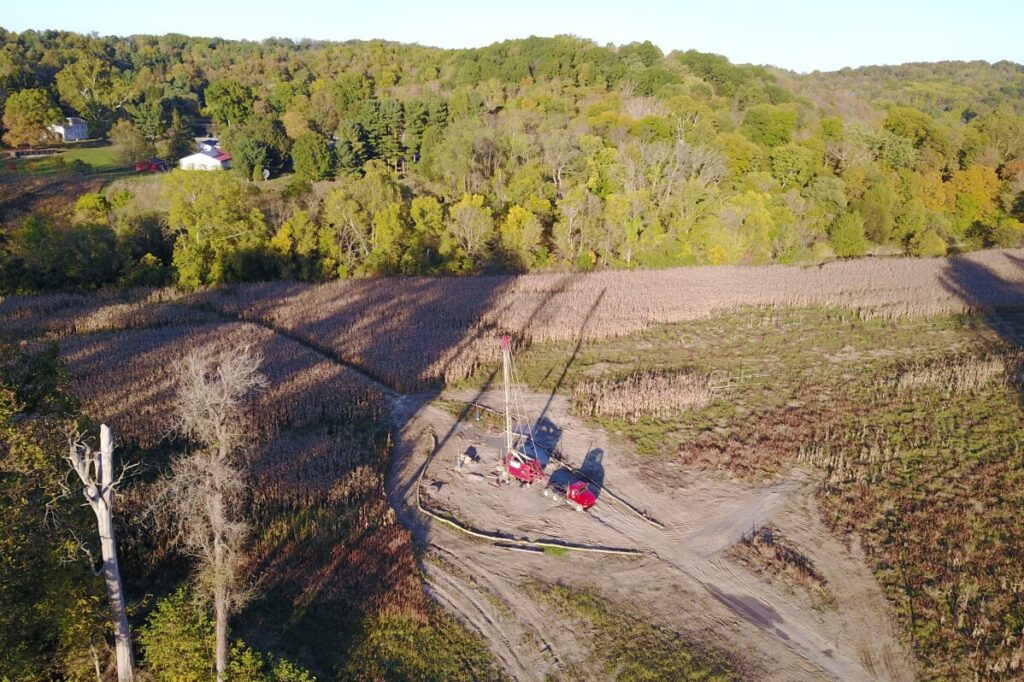
In the far-flung islands of Hawaii, a quiet but critical battle is underway. Farmers and ranchers, grappling with soaring agricultural crime and strained resources, have embraced technology at an unprecedented pace. From surveillance cameras to RFID tags on livestock, these investments reflect a desperate push to protect their property and livelihoods—a push that should sound a warning bell for Washington.
Is the Government Doing Enough to Shield Our Farmers?
Since 2019, the use of livestock-tracking devices in Hawaii has skyrocketed by 6,000%, while video surveillance on farms has more than doubled. These aren’t mere gadgets—they are frontline defenses against increasingly brazen thefts and trespassing incidents that endanger food production in a state vital to American interests.
Yet despite this surge in self-reliance among farmers, questions remain about whether state and federal authorities are keeping pace. The recent enactment of “Duke’s Law,” aimed at toughening penalties for agricultural trespassers, signals recognition of the problem but also highlights how reactive policy remains rather than proactive support for landowners.
The federal mandate requiring RFID tags for animals crossing state lines is a prudent step toward disease control but does little to address on-the-ground security challenges or workforce shortages that squeeze farm operations.
Innovation Amid Crisis: Can Technology Replace Sound National Policy?
Farmers’ adoption of GPS trackers on nearly 5,000 livestock units—and their demand for an additional 10,000—reveals an industry forced into technological arms race simply to stem losses. Similarly, drones surveying coffee plantations and autonomous tractors promise efficiency gains but also underscore gaps in affordable labor solutions.
This scenario raises urgent questions about America’s commitment to protecting its agricultural backbone. How long can farmers fend off rising crime alone before economic strain leads to diminished output or worse—a dependency on foreign imports jeopardizing national sovereignty?
The data makes clear that technology adoption drives productivity and resilience; however, without comprehensive policies supporting farmers’ rights and security funding alongside technological tools, these advancements risk becoming band-aids rather than solutions.
From an America First perspective, ensuring robust protection for domestic agriculture goes beyond Hawaiian shores—it is about securing our food supply chains against internal decay exacerbated by neglectful governance.
For hardworking American farmers braving climate challenges and criminal threats alike: technology is not just progress; it is survival. Yet survival depends equally on policymakers stepping up with commonsense measures that respect property rights and empower local communities—principles championed by America First leaders who understand that sovereignty begins at home.