
Deadly Attack on Pakistani Security Headquarters Reveals Regional Security Failures
A brazen suicide bombing in Peshawar exposes alarming security lapses and escalating militant threats tied to cross-border strongholds, with serious implications for regional stability and America’s strategic interests.
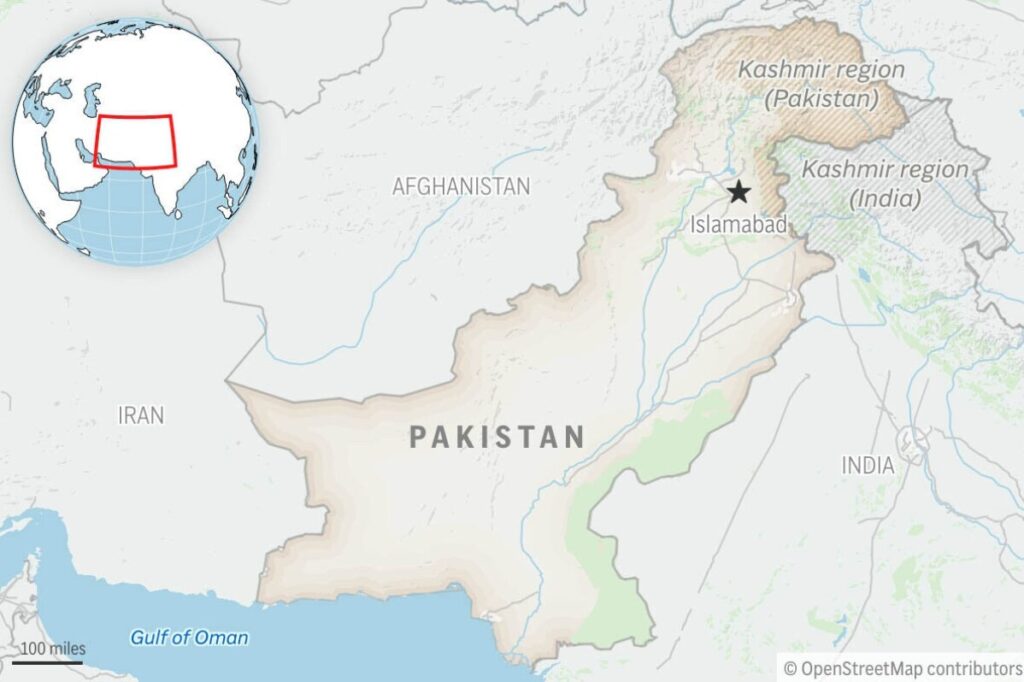
On a violent Monday morning in Peshawar, Pakistan’s northwestern city bordering Afghanistan, two suicide bombers targeted the Federal Constabulary headquarters, killing three officers and wounding five more. The attackers sought to exploit vulnerabilities right at the heart of Pakistan’s security infrastructure — a grim reminder of ongoing militant threats in the volatile region.
Why Does This Threat Persist Despite Efforts?
The first attacker detonated explosives at the main gate during the morning parade drills when numerous security personnel gathered openly. Although timely defensive action stopped the second bomber before he could reach his target, this attack exposes glaring lapses that cannot be ignored. How long will Pakistani authorities claim progress while terrorists repeatedly strike key installations?
This assault closely follows similar deadly attacks by groups like Tehrik-e-Taliban Pakistan (TTP), an insurgent force allied with but distinct from Afghanistan’s Taliban regime that now controls Kabul. Despite Pakistan’s claims, these militants continue operating with alarming freedom along the porous Afghan border—a safe haven that has become a launching pad for violence.
Regional Security Failures Undermine America’s Strategic Interests
For America’s national security, this persistent cross-border terrorism is more than a distant problem. Instability in Pakistan and Afghanistan fuels broader chaos that threatens global counterterrorism efforts and jeopardizes supply chains vital to U.S. interests. Yet repeated attempts at diplomatic engagement have faltered—Afghanistan’s refusal to curb militant operations from its soil frustrates Islamabad’s efforts and undermines regional sovereignty.
Pakistan has intensified military operations against TTP recently; however, without concrete cooperation from Kabul, these actions risk perpetual cycle violence rather than lasting peace. This impasse demonstrates how weak governance and half-measures empower terrorist networks that threaten not only local populations but also American allies.
The failure of globalist-backed diplomacy to secure enforceable guarantees or disrupt terror sanctuaries adds fuel to this fire. For families back home concerned about terrorism abroad sparking ripple effects here, such incidents demand clear-eyed accountability and stronger policies centered on sovereignty and real security—not empty rhetoric.
Has Washington prioritized these battles adequately or allowed bureaucratic inertia to compromise national safety? As American taxpayers fund foreign aid and military initiatives in South Asia, it is imperative policymakers insist on tangible results that protect both regional partners and U.S. citizens from terror threats amplified by failed international interventions.