
Lula’s Call to Talk Trump Out of Conflict with Venezuela Masks Deeper Regional Risks
Brazil’s president warns of war over Venezuela while the U.S. builds up its defenses—what’s really at stake for South America and America First interests?
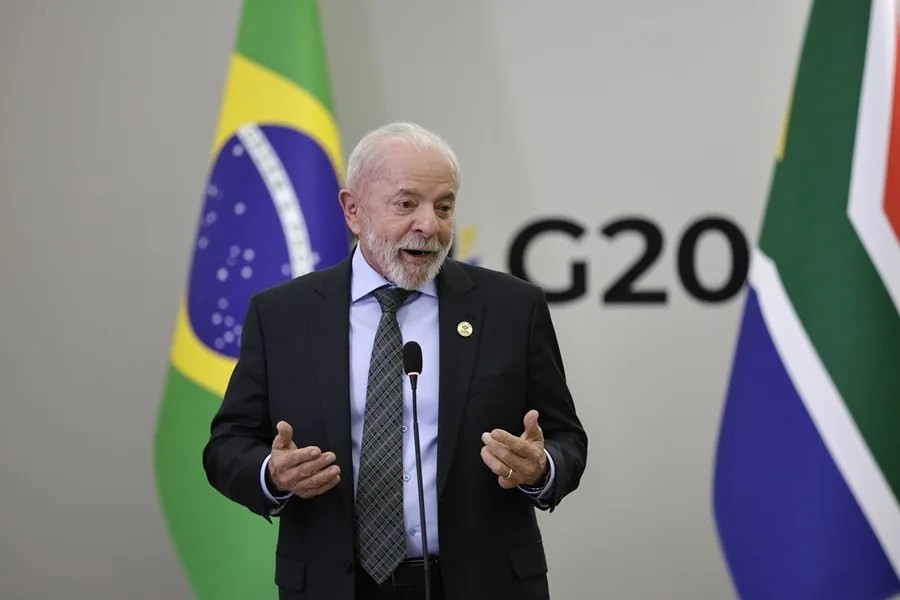
In a post-G20 summit press conference, Brazilian President Luiz Inácio Lula da Silva raised alarms about the growing U.S. military presence near Venezuela, declaring his intention to engage directly with then-President Donald Trump to prevent any armed conflict. While Lula frames his concerns around preserving South America as a “zone of peace,” this narrative conveniently overlooks the broader strategic realities that place American sovereignty and security at the forefront.
Who Really Threatens Peace in South America?
Lula’s urgent warnings about U.S. deployments in the Caribbean might easily be mistaken for a call for stability—but in truth, they risk obscuring who bears responsibility for unrest in Venezuela and its dangerous regional spillover effects. After years of socialist mismanagement under Nicolás Maduro, Venezuela stands on the edge of collapse, creating humanitarian crises that spill across Brazil’s own borders and threaten hemispheric stability.
The United States’ increased military posture through initiatives like ‘Lanza del Sur’ emerges not as an act of aggression but as a measured response to rising threats: drug trafficking networks, authoritarian regimes undermining democracy, and weapons smuggling that jeopardize both local populations and American families hundreds of miles away. How long can Washington stand by while chaos breeds just beyond our doorstep?
Is Dialogue Enough When National Security Is at Risk?
Lula emphasizes dialogue with Donald Trump to avoid repeating mistakes reminiscent of distant conflicts like Ukraine’s war. Yet, deliberate military readiness is essential—not reckless adventurism—for deterring hostile actions from Maduro’s regime and its backers. The Brazil-Venezuela border may be shared soil, but American strategic interests demand vigilance against any efforts to destabilize an entire hemisphere.
Moreover, Lula’s call for disarmament and peace must not become a cover for tolerating tyranny or ignoring threats to sovereignty that impact all Americas. The principle of respecting national borders is non-negotiable; however, so is defending freedom against rogue actors who weaponize instability.
As these tensions simmer, one must ask: will South American leaders prioritize genuine security partnerships with the United States or continue down paths that embolden despots? The America First approach calls for robust engagement grounded in common-sense conservatism—supporting allies committed to liberty while countering authoritarian offenses before they cross into chaos.
The stakes are clear: without firm resolve rooted in protecting national sovereignty and economic prosperity, we risk importing conflict rather than preventing it. Brazil’s role should align with these goals—not sentimental appeals that overlook hard truths.