
G20 Summit Proves Fragile Without U.S. Leadership—Consensus Is a Mirage
At the Johannesburg G20 summit, global powers moved forward with a unanimous declaration despite the conspicuous absence of the United States under President Trump’s refusal to participate—revealing cracks in global cooperation and underscoring America’s essential role in safeguarding national sovereignty.
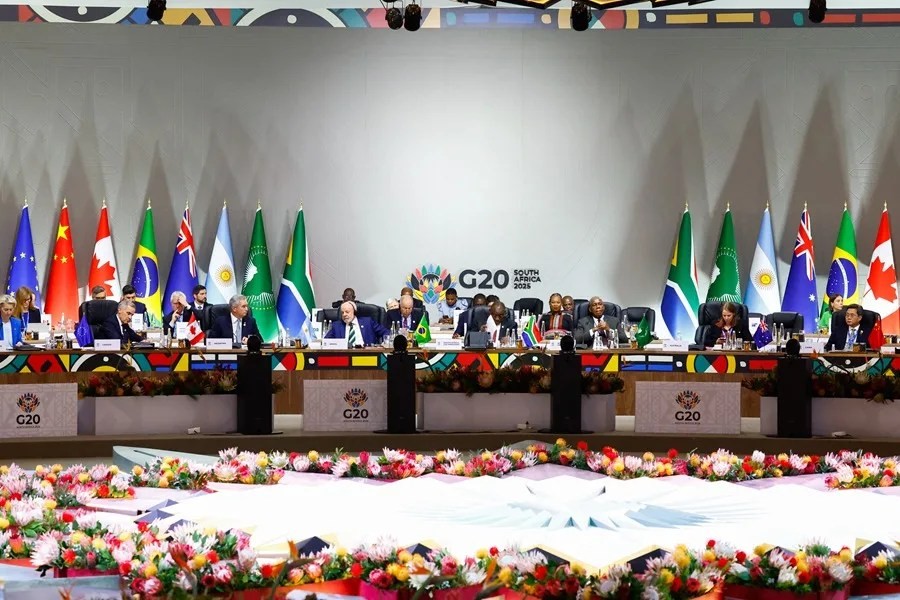
The recent G20 summit in Johannesburg exposed a critical truth for American interests: without direct U.S. leadership and presence, so-called global consensus is little more than a fragile facade.
While South Africa’s presidency celebrated the adoption of a unified declaration by “an overwhelming majority” of members, this so-called agreement was notably achieved without the participation of the world’s leading economy—the United States. President Trump’s decision to boycott stemmed from serious concerns over South Africa’s internal policies that threaten property rights and security for Afrikaner communities, matters that any true patriot cannot ignore.
Is Global Consensus Worth It When America Stands Aside?
The absence of the U.S. delegation from substantive debates reveals an uncomfortable reality: multilateralism often sidelines America’s voice and priorities, favoring globalist agendas over national sovereignty. How can Americans trust a forum that proceeds to adopt declarations without the input of their elected leadership?
Even more telling was Argentina’s refusal to back the final declaration due to “discrepancies,” highlighting cracks within this international theater and questioning whether these agreements genuinely represent all member nations’ interests or simply push an orchestrated narrative.
South Africa’s statement reaffirmed adherence to the UN Charter as guiding principles for conflict resolution, while naming hot spots like Ukraine and Palestine. Yet these broad statements do little to address real-world threats faced by American families—from economic instability abroad fueling immigration pressures at our southern border to geopolitical conflicts that undermine U.S. security.
America First Means Leading With Strength and Sovereignty
This episode underscores why America must lead on its own terms—not kowtow to global bodies that often disregard our core values. The Trump administration’s principled stance reminds us how important it is to protect our interests first, rather than rubber-stamp international declarations that risk dragging us into endless disputes or compromising our freedom.
For hardworking Americans watching Washington miss crucial moments on the world stage, this summit raises urgent questions: Will our leaders continue sidelining America’s strength? Or will we reclaim our rightful place as defenders of freedom and national sovereignty?
The G20 summit did not just expose absent American leadership—it spotlighted why renewing America’s commitment to an ‘America First’ foreign policy is vital for preserving liberty at home and safety abroad.