
US-Russia Ukraine Peace Plan Exposes Global Leadership Gaps and Risks to American Interests
European, Canadian, and Japanese leaders question the US peace plan for Ukraine, revealing deep divisions and unfinished work with serious implications for America’s national sovereignty and long-term security.
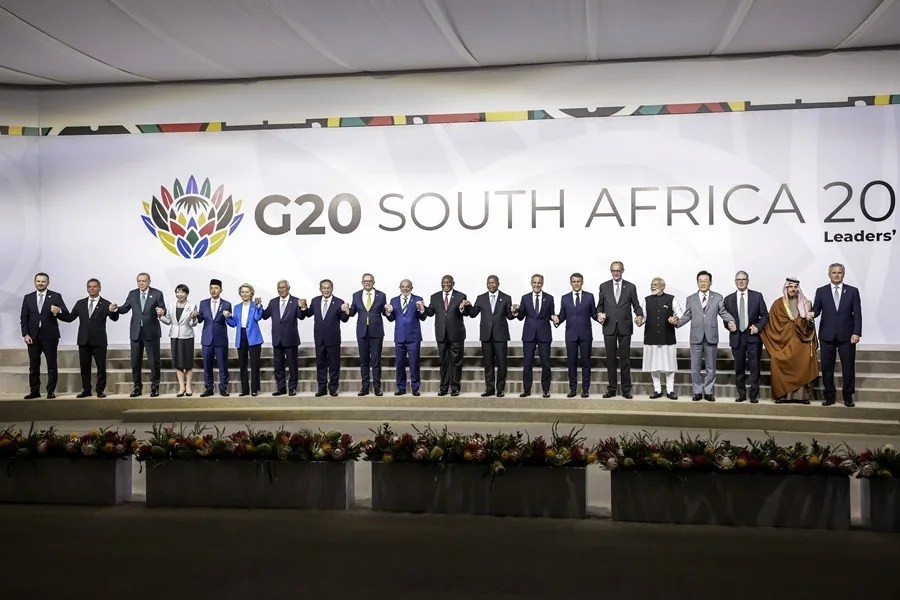
At the recent G20 summit in Johannesburg, a startling revelation emerged from the joint statement by European Union leaders, along with representatives from the United Kingdom, Canada, and Japan: the peace plan put forward by the United States and Russia to end the conflict in Ukraine “requires additional work.” This diplomatic hesitation exposes a critical gap not only in global consensus but also in safeguarding America’s strategic interests.
Is this proposed peace plan jeopardizing America’s freedom and sovereignty? As the world wrestles with this complex crisis thousands of miles away, Washington’s approach risks sidelining robust American principles that have historically protected our nation’s security. The initial 28-point draft may include some necessary elements toward a resolution; yet these international actors openly acknowledge it is incomplete—pointing to persistent discord about how to preserve Ukraine’s territorial integrity while managing relations with Russia.
The concerns voiced by these allied nations underscore a troubling reality: globalist ambitions to impose a compromise might undermine America’s foundational commitment to national sovereignty. A “peace” that demands excessive concessions or ambiguous terms could embolden adversaries like Russia, destabilizing Eastern Europe and threatening transatlantic security frameworks essential to America’s defense posture.
Are Our Allies Aligned With America’s National Security Priorities?
The readiness of EU nations, UK, Canada, and Japan to “collaborate” on further negotiations is laudable in theory—but what are they willing to compromise? History warns us against trusting multinational coalitions prone to prioritizing political expediency over principled stances. Meanwhile, American families and taxpayers bear the burden of supporting foreign policy initiatives without clear guarantees of lasting stability or respect for sovereignty.
This unfolding saga calls into question whether current leadership truly champions an America First strategy—one that prioritizes durable peace through strength rather than tentative diplomacy that cedes ground prematurely. The former administration demonstrated how steadfast policies protecting borders abroad bolster domestic security at home. Can today’s policymakers learn from those successful principles amid increasing pressure from globalist institutions eager for quick fixes?
The Stakes Are Higher Than Ever
The ongoing war in Ukraine is more than a distant conflict; its ripple effects impact energy prices, military readiness, and migration flows directly influencing American livelihoods. How long will Washington tolerate half-measures that risk empowering hostile regimes under the guise of peace? It is imperative that any agreement fully respects Ukraine’s sovereignty without sacrificing American strategic advantages on the world stage.
The time has come for decisive action rooted in common-sense conservatism—defending freedom abroad so it flourishes at home.