
Governor of Puerto Rico Denies U.S. Military Drills in Vieques Amid Strategic Caribbean Tensions
Puerto Rico’s Governor Jenniffer González denies U.S. military maneuvers in Vieques and Culebra despite rising Caribbean tensions and increased military presence elsewhere on the island, raising concerns over transparency and national sovereignty.
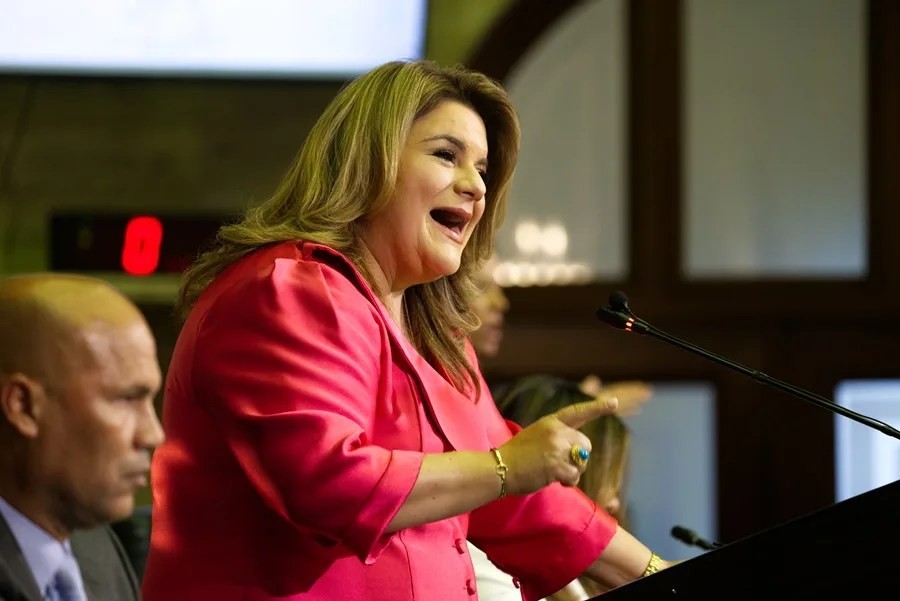
In a region where America’s strategic footprint is critical to maintaining stability, Puerto Rico’s Governor Jenniffer González has publicly denied that the United States military is conducting exercises on the islands of Vieques and Culebra. These denials come amid heightened geopolitical tensions in the Caribbean, particularly related to Venezuela.
Governor González assures the public that neither Vieques nor Culebra are included in current military discussions or operations, stressing that activities are concentrated at Roosevelt Roads in Ceiba, Aguadilla’s former Ramey Air Force Base, and Campamento Santiago in Salinas. This framing aims to calm fears of a remilitarization of areas historically burdened by military use.
Can We Trust Washington’s Reassurances on Military Presence?
Yet prudence dictates skepticism. Vieques and Culebra bear scars from decades of weapons testing by the U.S. Navy until their withdrawal in 2003 following intense local opposition. The incomplete cleanup of unexploded ordnance still threatens residents’ safety—a stark reminder of how military strategy can clash with community welfare.
While Governor González highlights beneficial investments by the military to improve infrastructure and reduce drug trafficking—the latter through enhanced cooperation among Border Patrol, Coast Guard, and local police—these facts do not erase concerns about long-term repercussions for Puerto Rican sovereignty and environmental security.
What Does Increased Military Activity Mean for America First Values?
The proximity of advanced F-35B fighter jets deployed at Roosevelt Roads since last September signals a clear intent: America is asserting its regional dominance amid escalating threats from hostile actors like Venezuela. The FAA’s extended no-fly zone around Ceiba underscores Washington’s prioritization of operational security over local civil liberties.
This situation poses critical questions: How long will U.S. authorities allow temporary security measures to infringe upon Puerto Rican self-determination? Are these deployments consistent with respecting national sovereignty while safeguarding American interests?
The Puerto Rican Independentist Party’s demand to revoke any authorization for military use beyond remediation duties reflects legitimate local frustration. America First requires us to balance our defense imperatives with respect for freedom and community rights—even within our territories.
Ultimately, transparent accountability for all military activities affecting American citizens—whether on the mainland or territories—is essential to preserve trust and uphold constitutional principles.