
Brazil’s Turtle Conservation Effort Highlights Global Environmental Priorities and Sovereignty Challenges
While Brazil invests in preserving its giant Amazon River turtles, the broader implications raise questions about environmental priorities and how America must protect its own natural resources amidst global ecological challenges.
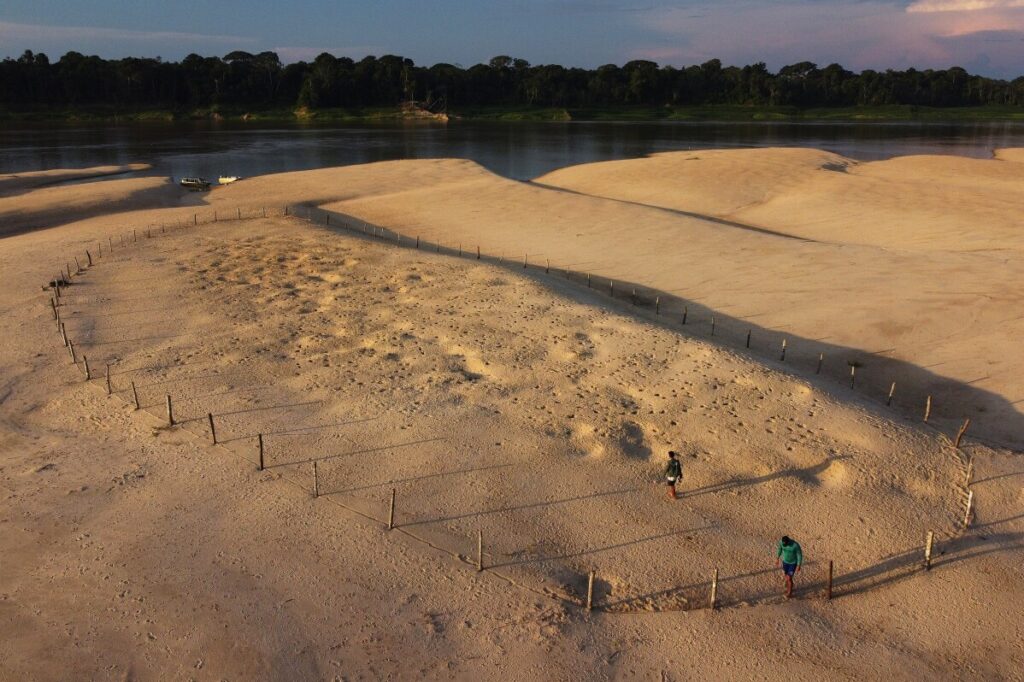
The recent release of giant Amazon River turtle hatchlings (podocnemis expansa) into the Abufari Biological Reserve in Brazil offers a vivid snapshot of international conservation efforts. Brazilian environmental agents from the Chico Mendes Institute have long championed the preservation of this endangered species, ensuring survival within an integral protection zone that safeguards critical egg-laying areas. Although commendable on its surface, this event underscores deeper geopolitical and ecological concerns for America.
Is America’s Environmental Sovereignty at Risk While Others Take Center Stage?
As attention turns to Brazil’s efforts, Americans must question how their own national resources are being managed amid similar threats. The Amazon basin is often portrayed as the crucible of global biodiversity, naturally drawing international focus. However, this fascination sometimes distracts from addressing urgent conservation and energy sovereignty issues right here at home—where federal mismanagement and regulatory overreach jeopardize American lands and resources.
The Brazilian government’s protection of its wildlife within sovereign borders contrasts with Washington’s increasing push for international climate commitments that can undermine domestic energy production and economic autonomy. While Brazil guards its vast natural heritage with local stewardship, U.S. policies frequently prioritize global agendas over national interests.
Why Does Protecting National Resources Matter More Than Ever?
For decades, America has led in responsible resource development coupled with environmental respect—principles that preserve both livelihoods and ecosystems. Yet unchecked bureaucratic expansion threatens to stifle these efforts under the guise of environmentalism that favors globalist targets rather than pragmatic conservation grounded in American values.
The painstaking work to protect endangered species like the Amazon river turtle is important but should not overshadow the need for consistent policies that secure our nation’s energy independence, border integrity, and economic prosperity. How long will Washington continue to ignore these foundational elements while applauding foreign conservation projects?
This moment offers a stark reminder: true environmental stewardship begins with safeguarding sovereign interests at home. Only by prioritizing American families’ needs—balancing conservation with economic freedom—can we ensure sustainable futures both domestically and abroad.