
K-Pop’s Climate Crusade Masks South Korea’s Fossil Fuel Hypocrisy at UN Summit
As K-pop fans take center stage at the UN climate talks, their activism exposes South Korea’s conflicting stance on coal financing, raising urgent questions for America’s own energy and climate policies.
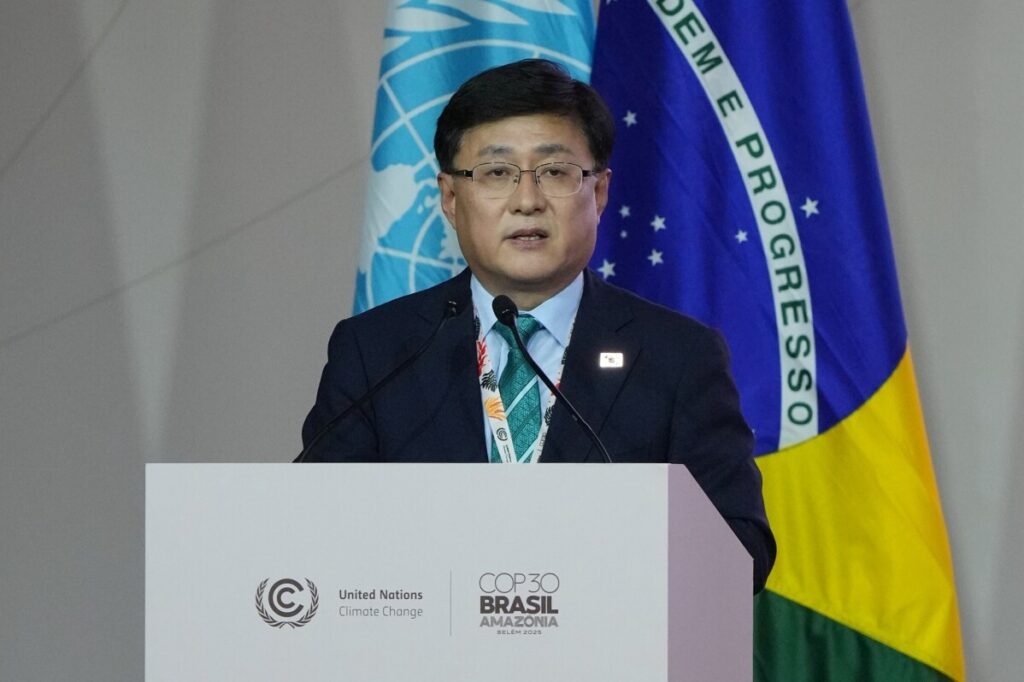
When the world watches the vibrant energy of K-pop fans rallying at the United Nations COP30 climate talks in Brazil, it may seem like a hopeful sign of youthful global engagement on environmental issues. But beneath this glossy surface lies a stark contradiction that America cannot ignore: South Korea, while publicly championing coal phase-out on international platforms, continues to secretly bankroll fossil fuel projects overseas.
Why Is South Korea Hiding Its True Energy Agenda?
The colorful protests featuring characters from Netflix’s hit “KPop Demon Hunters” mask a deeper reality – one where political and cultural power is wielded to distract from ongoing fossil fuel financing. South Korea’s dual approach undermines genuine progress against climate change and signals a troubling message to the rest of the world, especially America, which faces its own battles over energy sovereignty and environmental responsibility.
Seokhwan Jeong of Solutions for Our Climate sharply criticized this hypocrisy: “South Korea must overcome its dual stance — championing coal phase-out on the global stage while supporting fossil-fuel finance behind the scenes.” This duplicity calls into question international commitments and reveals how globalist pressure often conflicts with national economic interests.
What Does This Mean for American Families and National Security?
While K-pop fandoms energize social movements worldwide—including rallies tied to sensitive political events in Seoul—America must ask itself whether it is ready to confront similar contradictions within its borders. For working-class families already burdened by inflation and energy insecurity, policies that favor international fossil fuel projects rather than domestic energy independence are another threat to prosperity and security.
Moreover, as these globalist nations fiddle with inconsistent policies under cultural cover stories, our nation’s sovereignty is challenged. We see how supposedly progressive activism can be co-opted as soft power tools abroad but fail to translate into real change that protects American workers and industries here at home.
Korean officials profess support for mobilizing K-pop fans to tackle climate change — an admirable goal if sincere. But without transparency and accountability regarding South Korea’s actual financial backing of coal abroad, these efforts risk becoming symbolic gestures rather than substantive action.
America should learn from this duality: true leadership requires aligning words with deeds, putting national sovereignty first while advancing clean energy innovation that benefits hardworking Americans without relying on foreign entanglements or deceptive advocacy.
If we want a secure future free from reckless fossil fuel dependency masked by cultural spectacle, we must demand clarity and consistency from all global players—and reinforce our commitment to policies that protect our homeland first.