
Hidden Peace Plans Undermine Ukrainian Sovereignty and America’s Strategic Interests
Reports of a clandestine US-Russia peace proposal excluding Ukraine threaten to compromise American leadership and Europe’s security, risking a dangerous concession to Russian aggression.
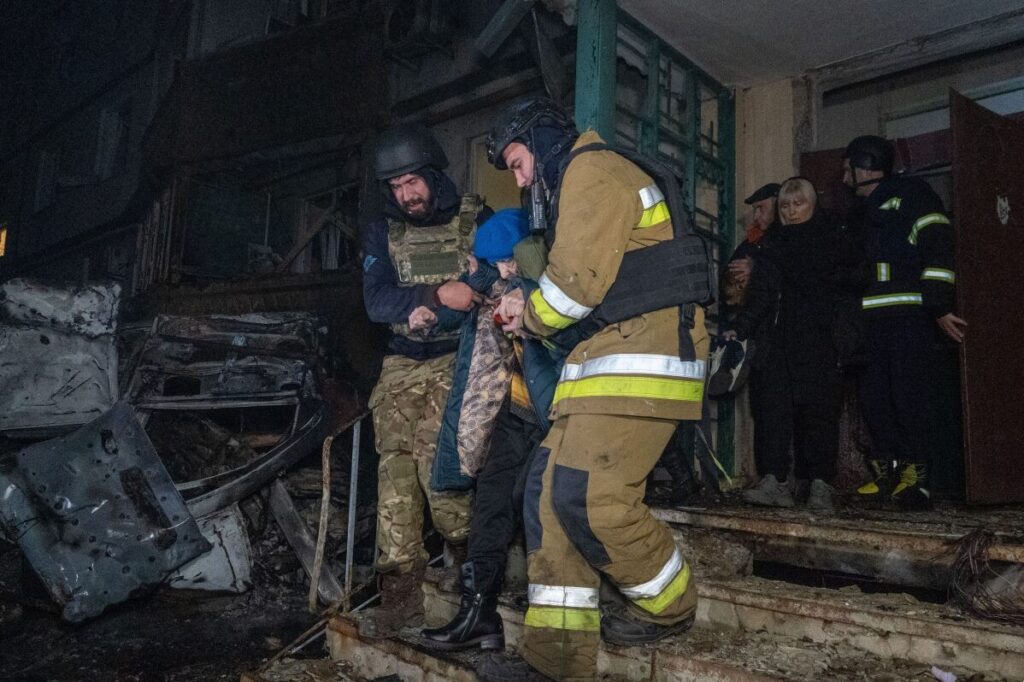
As whispers of a secret US-Russia peace plan circulate, the question before us is clear: Who truly benefits when Ukraine—and by extension, America’s vital interests—are sidelined in talks that determine the fate of Eastern Europe?
This alleged peace initiative reportedly pressures Kyiv to cede territory, an unacceptable demand that President Volodymyr Zelenskyy has firmly rejected. Yet, disturbing signs indicate some global actors might entertain negotiations behind closed doors without meaningful Ukrainian or European participation. This approach not only risks betraying Ukraine’s sovereignty but also undermines the ‘America First’ principle of standing resolutely against foreign aggression.
Can True Peace Be Achieved Without Freedom and Sovereignty?
The core values that define our nation—freedom, national sovereignty, and unwavering defense of democratic allies—are at stake. EU foreign policy chief Kaja Kallas rightly emphasizes that any credible peace must include Ukrainians and Europeans as equal partners. After all, Europe bears the brunt of instability spilling over from this conflict; their security is intertwined with ours.
Yet, reports suggest Washington may be entertaining deals devoid of these essential voices. The ongoing corruption scandals shaking Kyiv are no excuse for excluding Ukraine in shaping its own destiny. How long will Washington entertain shortcuts that jeopardize both Ukrainian independence and broader Western strategic interests?
What Does This Mean for America’s Leadership and National Security?
The Trump administration’s decision to halt direct military aid to Ukraine has shifted responsibility—and leverage—to European allies. While their increased support is commendable, America cannot afford to abdicate its leadership role or permit Russia’s Kremlin strategists to dictate terms under the guise of peace talks.
Kremlin spokesman Dmitry Peskov’s admission that formal consultations are absent yet contacts persist should raise alarms. These murky backchannels hint at a real threat: a negotiated settlement rewarding Russian aggression while ignoring the sacrifices and sovereignty of Ukraine.
For American families already strained by economic pressures linked to global instability, such reckless diplomacy could prolong conflict elsewhere while compromising our security here at home. It falls on us—the vigilant citizenry—to demand transparency and steadfast commitment from our leaders: no peace at the expense of freedom.
The path forward demands we stand firmly with Ukraine as a sovereign nation resisting invasion—not bowing to cynical backroom deals designed to appease autocrats.