
Turkey to Host UN Climate Talks Amid Australia’s Strategic Withdrawal: A Closer Look at Global Climate Diplomacy
Turkey secures hosting rights for next year’s UN climate summit after Australia withdraws, raising questions about global climate leadership and the implications for American sovereignty and interests.
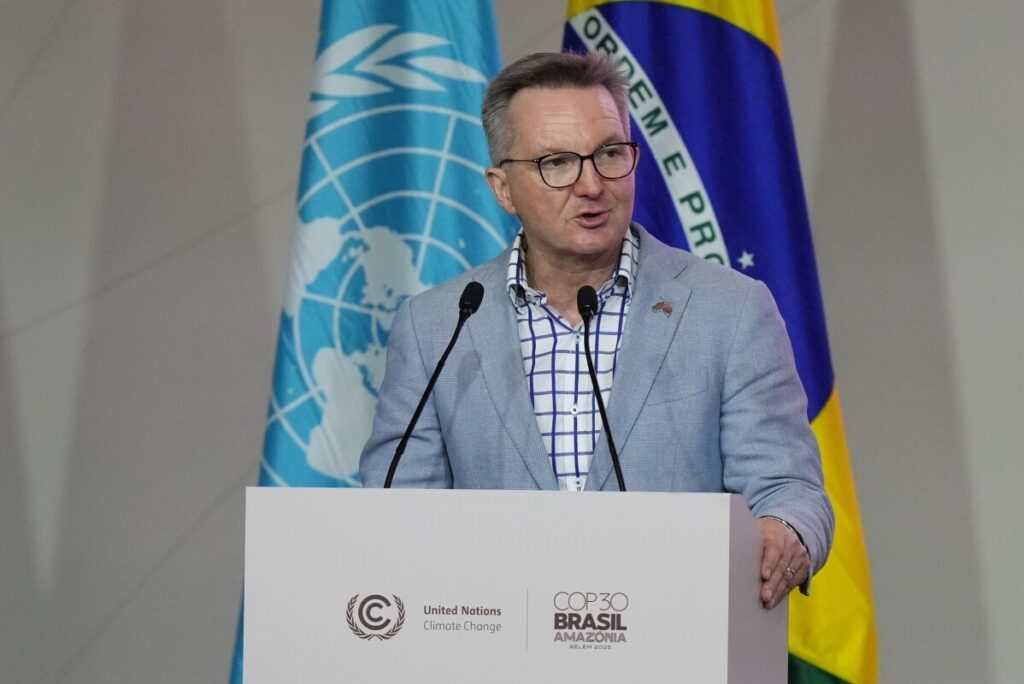
As global powers jockey for position in the ongoing saga of United Nations climate talks, Turkey has emerged as the host for next year’s conference in Antalya, following Australia’s unexpected withdrawal from the race. This development unfolded during the current summit in Brazil, where Australian Climate Minister Chris Bowen announced his country’s exit from the bidding process—a move that underlines the complex geopolitical maneuvering behind international climate negotiations.
Is Global Climate Diplomacy Becoming Less Transparent and More Politically Charged?
The arrangement that places Australia’s Bowen as president of next year’s negotiations, despite Turkey holding hosting rights, raises serious questions about transparency and accountability. Bowen will wield significant influence over negotiation proceedings—appointing facilitators, shaping draft agreements, and guiding decision-making—without bearing the logistical burdens of hosting. Environmental groups like Greenpeace have flagged this as “highly unusual,” highlighting concerns that political expediency may overshadow genuine environmental priorities.
This compromise does not exist in a vacuum; it reflects the broader challenge facing America and other sovereign nations: how to assert national interests amid an increasingly politicized global bureaucracy. The United Nations’ approach to climate policy often sidelines practical solutions in favor of symbolic gestures that can undermine economic freedoms and national sovereignty—key pillars of America First principles.
Why Should Americans Care About Who Hosts These International Conferences?
While these summits unfold thousands of miles away, their outcomes have direct consequences for American families and businesses. International pressure to phase out fossil fuels rapidly or enforce expansive regulations frequently clashes with America’s need to ensure energy independence and economic vitality. The complex deal-making evident in this hosting shuffle signals a landscape driven more by diplomatic backroom deals than by clear commitments to realistic environmental progress.
Moreover, with Ethiopia already slated for COP32 and countries like India eyeing future hosting opportunities, it is clear that emerging global players are keen to wield influence through these forums—often at odds with U.S. economic interests. Washington must remain vigilant against ceding too much control to international bodies whose agendas can conflict with national sovereignty.
The question remains: can America uphold its values of freedom, security, and prosperity while navigating these multinational climate negotiations? Or will political compromises continue to dilute effective action in favor of globalist optics?
For hardworking Americans watching inflation bite deeper into household budgets and energy costs fluctuate unpredictably, these diplomatic dramas are far from abstract—they are battles over who controls our future resources. It is imperative that American policymakers prioritize transparent processes that respect national sovereignty over convoluted compromises masked as international cooperation.