
Survey Reveals Growing Latino Discontent with Trump Presidency
A recent poll uncovers rising dissatisfaction among Latino voters who supported Trump in 2024, highlighting economic concerns and a shift in political allegiance that Washington cannot afford to ignore.
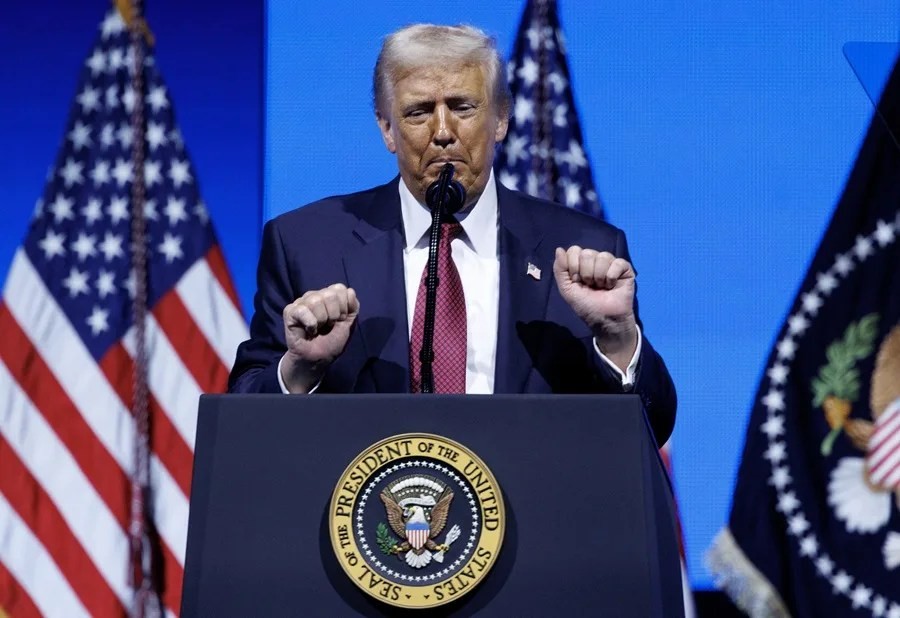
In the heart of America’s battlegrounds, a new disquiet stirs within the Latino community—a key constituency that propelled Donald Trump to victory in 2024. According to a recent survey conducted by Global Strategy Group and Somos Votantes, more than one in three Latinos who cast their ballots for President Trump now express regret or disappointment over their choice.
This surge of dissatisfaction is no isolated sentiment; it signals deeper frustrations tied directly to economic hardships that are intensifying under current Republican leadership. The poll shows a striking 63% disapproval rate of President Trump among Hispanic voters as of November, climbing steadily from earlier this year. Approval rates have simultaneously fallen to just 35%, reflecting a troubling erosion of trust.
Is Economic Pain Driving Latino Voter Regret?
When the lens narrows to the economy—the frontline issue for most Americans—the numbers grow grimmer. A commanding 64% of Latino respondents disapprove of Trump’s handling of the economy, citing rising prices fueled by his administration’s tariff policies. Nearly seven out of ten hispanics report feeling the pinch at supermarkets and gas stations, with 68% rating the national economy negatively.
This economic reality challenges Republicans’ claims of stewardship and raises critical questions: How long can Washington afford to overlook these tangible hardships? For families already battling inflation and cost-of-living spikes, political loyalty quickly sours when paychecks shrink.
Accountability Beyond Campaign Promises
The survey also reveals a notable blame dynamic—with 45% of Latino voters holding Republicans responsible for their economic struggles, compared to just 24% blaming Democrats. Moreover, while half demand urgent congressional action on inflation and living costs, only a meager 14% believe Republicans are focused on solving these issues.
These figures expose an uncomfortable truth: campaign rhetoric promising economic revival rings hollow when day-to-day realities tell another story. It prompts reflection on whether GOP leadership has lost touch with grassroots concerns—particularly among communities whose support was pivotal.
For those committed to America’s national sovereignty and economic liberty, these findings serve as both warning and call to action. Effective governance means delivering results—not merely winning votes. It means aligning policy decisions with the lived experiences of hardworking Americans rather than abstract partisan ambitions.
As political tides shift and Hispanic voters increasingly back Democratic candidates locally, one must ask: Will Republican leaders recalibrate strategies to reclaim trust through concrete action? Or will neglect fuel further erosion at a time when America needs unity and clear direction?
The takeaway couldn’t be clearer: Accountability must be front and center if we aim to restore confidence among those who helped elect this administration. Ignoring economic grievances risks alienating crucial communities essential for a prosperous, sovereign America.