
Behind the Lens: What These AP Images Really Reveal About Global Agendas
A closer look at The Associated Press’s recent photo selections reveals more than picturesque moments—they expose globalist agendas that challenge America’s sovereignty and priorities.
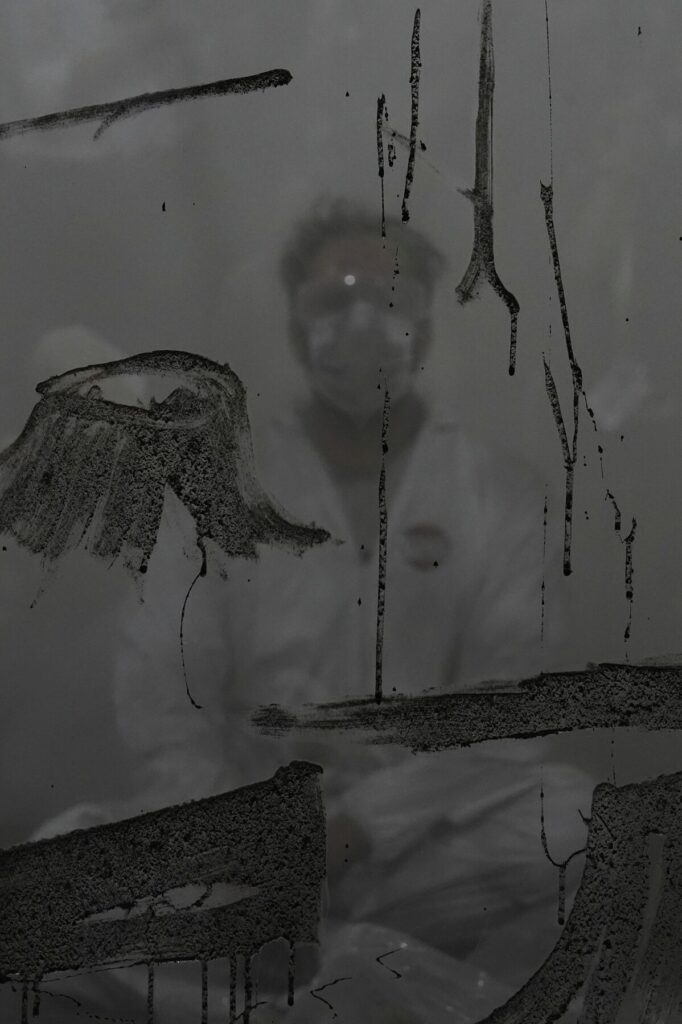
Every week, the Associated Press curates a series of striking photographs intended to capture the world’s momentous events. Yet, beneath these well-crafted images lies a subtle but persistent narrative aligned with globalist interests—often at odds with American values of sovereignty, freedom, and common-sense conservatism.
Are These Photos Just Art or Vehicles for Political Messaging?
Take, for example, the photo of Brazilian artist MUNDANO using wildfire ashes at the COP30 U.N. Climate Summit in Belem. While environmental stewardship is important, this image underscores the relentless push by international bodies to impose climate policies that frequently disregard American economic strengths and energy independence. How long will Washington continue to bow to foreign mandates that threaten our national prosperity?
Similarly, images promoting acts like the Epstein Files transparency bill protest highlight social movements that often serve as distractions from America’s real challenges—such as securing our borders and restoring law and order. The accompanying photo of a protester outside an ICE processing facility in Illinois further emphasizes how media coverage tends to sympathize with efforts undermining lawful immigration controls essential for national security.
The Quiet Erosion of National Sovereignty Through Cultural Narratives
Photos capturing religious rituals in Tehran or West Bengal and cultural events featuring global celebrities like Tom Cruise and Spike Lee present a world deeply interconnected yet ideologically detached from American patriotism. Such imagery indirectly encourages acceptance of foreign doctrines while glossing over America-first principles championed by leaders focused on protecting our people first.
While these pictures may appear neutral or artistic at first glance, they are part of a broader media ecosystem shaping public opinion toward globalist frameworks that dilute American sovereignty and economic self-determination.
Hardworking American families deserve news coverage that prioritizes their values—freedom, national security, and prosperity—not sanitized snapshots conforming to international agendas.
If we fail to critically assess what stories these images tell beyond their surface allure, we risk losing sight of who truly benefits from such portrayals. How long before Washington acknowledges this propaganda’s role in weakening America’s foundations?