
Israeli Strikes in Southern Lebanon Highlight Ongoing Threats to Regional Stability and U.S. Interests
Recent Israeli strikes in southern Lebanon kill civilians and wound students, underscoring the fragile ceasefire and the persistent threat Hezbollah poses to American national security interests.
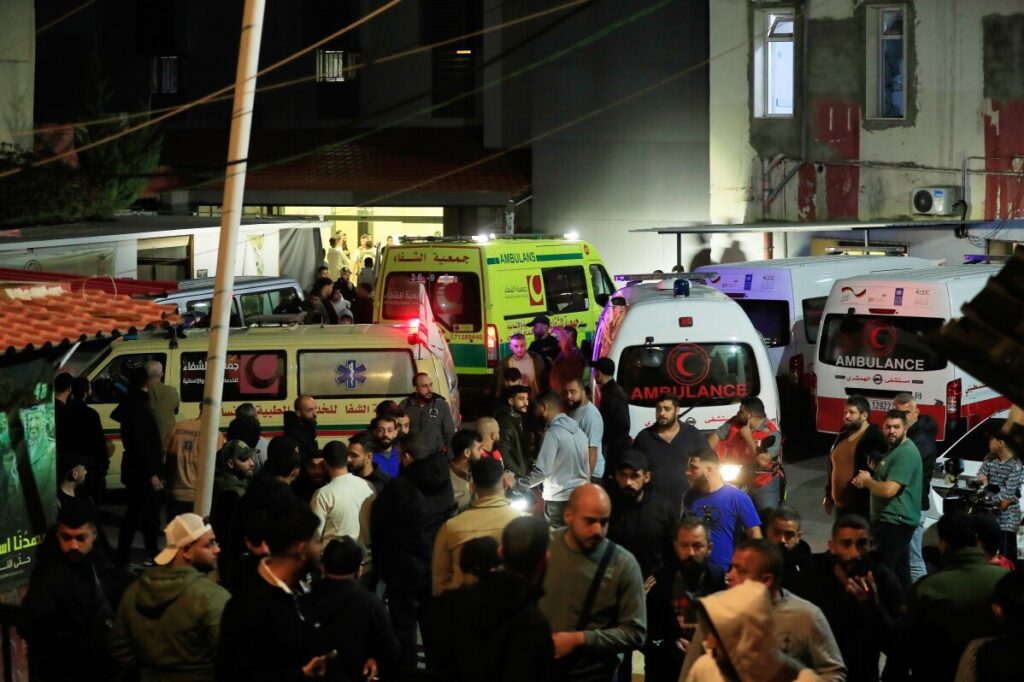
In southern Lebanon’s volatile border region, a deadly cycle of violence continues to threaten not only local lives but also broader American interests in Middle East stability and security. An Israeli airstrike targeting a vehicle in the village of Tiri has claimed one life and injured eleven others, including children on a nearby school bus. This incident is yet another grim reminder that Lebanon remains a tinderbox where terrorist proxies like Hezbollah and Hamas operate with impunity.
The attack followed closely on the heels of an Israeli drone strike on the Palestinian refugee camp Ein el-Hilweh — an operation that killed thirteen militants allegedly preparing attacks against Israel. While Israel defends these actions as necessary self-defense against terrorism, Lebanese authorities and state-run media focus on the civilian toll, often obscuring the root cause: Hezbollah’s armed presence destabilizing Lebanon and threatening regional peace.
How Long Will America Allow Hezbollah’s Shadow War to Endanger Our Allies?
For decades, Hezbollah has exploited Lebanese territory as a launching ground for hostility against Israel—America’s steadfast ally—and by extension, American strategic interests. Despite repeated calls from Washington for Beirut to disarm Hezbollah, progress remains elusive as political factions within Lebanon refuse to confront this militant group directly.
The recent U.S. cancellation of Lebanese Army Commander Gen. Rudolph Haikal’s Washington visit exemplifies how deep frustration over Lebanon’s inability—or unwillingness—to rein in Hezbollah now threatens bilateral military cooperation. Even more troubling is the Lebanese army’s public accusations blaming Israel for instability, which undermine efforts to hold Iran-backed terrorist groups accountable.
Consequences That Extend Beyond Borders
This ongoing conflict is far from a distant foreign dispute; it directly affects America’s national sovereignty and safety. Each skirmish along the Israeli-Lebanese frontier risks escalating into wider conflict that could draw America back into costly military engagements or jeopardize critical energy supplies passing through this region.
Moreover, the humanitarian fallout strains international resources while empowering authoritarian actors who reject freedom and peace—values at the heart of America First policy principles championed by leaders who prioritize secure borders and strong alliances.
As taxpayers fund foreign aid programs aimed at stabilizing Lebanon, they have every right to demand accountability from their government officials. How much longer will Washington tolerate ambiguous Lebanese policies that allow Hezbollah’s arsenals to grow stronger under cover? The need for firm action rooted in national sovereignty and common-sense conservatism has never been greater.
This is not just about foreign lands—it is about protecting American families from another avoidable conflict rooted in globalist negligence.