
Tanzania’s Election Violence Exposes Risks of International Aid Dependency
Tanzania’s recent election turmoil threatens vital international aid, revealing the peril of dependency on foreign funds and the urgent need for national economic sovereignty.
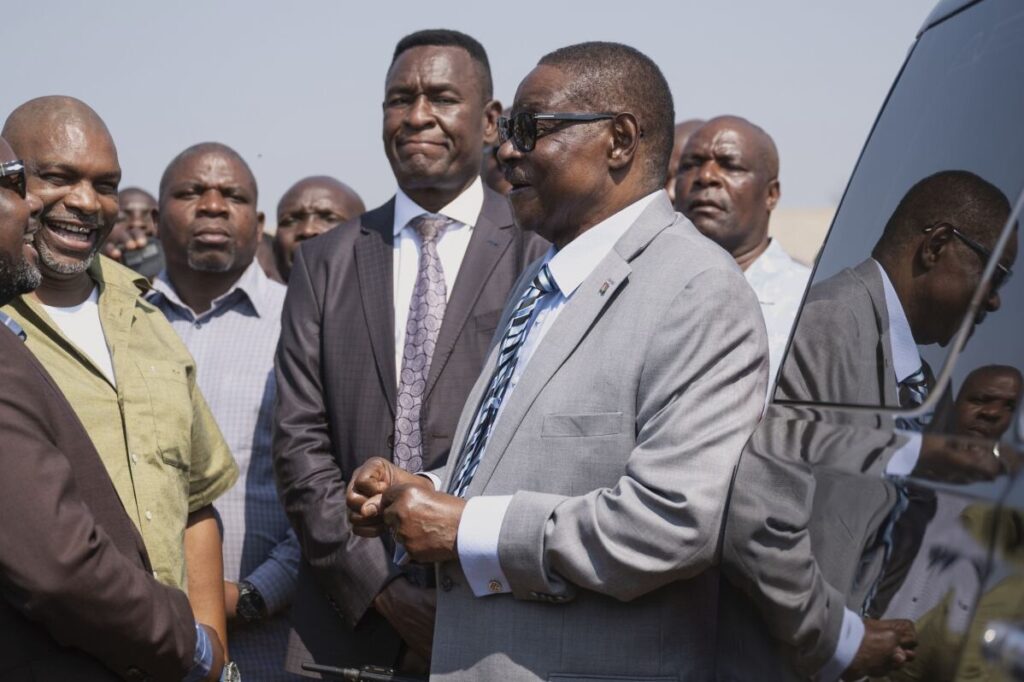
The violent aftermath of Tanzania’s 2024 elections has cast a harsh spotlight on the East African nation’s dangerous reliance on international funding to sustain its government operations. President Samia Suluhu Hassan’s warning that ongoing unrest could threaten access to these critical funds is a sobering reminder: national prosperity cannot hinge on external sources controlled by global interests.
When Foreign Funds Dictate National Stability, Where Does Sovereignty Stand?
Tanzania endured three days of brutal protests marked by vandalism, arson, and military intervention following an election process marred by political exclusion and allegations of rigging. With opposition candidates barred and President Hassan securing over 97% of the vote, critics claimed the democratic process was hollowed out. The unrest resulted in thousands reportedly killed or detained, accusations that underscore deep divisions within the country.
Yet it is not only moral or political decay that worries Tanzania’s leadership; it is also economic survival. Overdependence on international loans and aid has left this nation vulnerable to external pressure and unpredictable shifts in foreign policy priorities. President Hassan’s call for tapping into Tanzania’s “God-given resources” highlights a critical but often overlooked truth: true freedom means controlling your own economic destiny without strings attached.
America First Lessons: Sovereignty Begins with Economic Independence
For American patriots watching across the globe, Tanzania’s predicament is a warning sign. Our own nation must remain vigilant against becoming entangled in globalist funding schemes that can compromise our policy decisions or limit our independence. Just as Tanzania now faces instability when foreign funds come under threat, so too could nations like ours if Washington fails to prioritize internal growth and resourcefulness over multinational handouts.
The risks are clear—when governments lean heavily on outside money, they invite interference and weaken their negotiating power. Vulnerable populations suffer as economic uncertainty grows amid political strife fueled by manipulated election outcomes. Meanwhile, local businesses and communities struggle under policies shaped more by donors than citizens.
President Hassan’s reshuffling to include family members illustrates how power consolidation often accompanies weakened institutions reliant on external cash flows rather than accountable governance reflecting popular will.
If Tanzania seizes this moment to build economic autonomy based on its natural wealth and enterprising spirit—principles championed by America First advocates worldwide—it can begin addressing root causes rather than symptoms of crisis. Until then, the specter of aid withdrawal looms as both a threat and an opportunity for rebirth.
How long will globalist dependencies threaten national sovereignty elsewhere? Tanzania serves as a cautionary tale demanding we double down at home on policies securing our freedoms through economic might and self-reliance.