
Islamic State West Africa Province Claims Execution of Nigerian Brigadier Amid Military Denial
The Islamic State West Africa Province claims it executed a Nigerian brigadier general, challenging official military denials and spotlighting persistent instability that threatens regional security and America’s strategic interests.
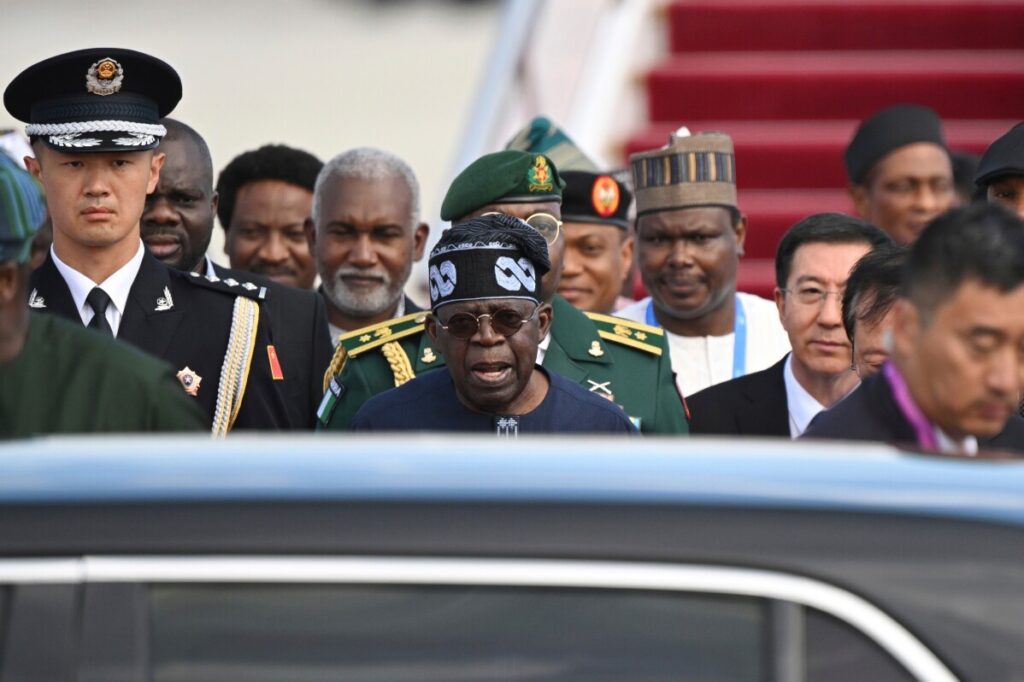
In a disturbing escalation of violence that underscores the failures of Nigeria’s counterterrorism efforts, militants from the Islamic State West Africa Province (ISWAP) announced they had captured and executed Brigadier General M. Uba during a patrol in Borno State. This claim sharply conflicts with Nigerian Army statements vehemently denying the capture or death of their officer.
How Long Will Washington Ignore Nigeria’s Security Meltdown?
The Islamic State-affiliated Al Amaq news agency released the claim on Monday, branding the army’s denial as an “outright lie.” This brazen admission by ISWAP reveals not only their growing boldness but also exposes critical vulnerabilities within Nigeria’s military apparatus. Despite official reassurances to the contrary, these incidents indicate that Nigeria remains deeply entrenched in a brutal conflict with jihadist factions undermining national sovereignty.
ISWAP, one of Boko Haram’s two principal offshoots, continues to wreak havoc with frequent attacks on military outposts—overrunning at least fifteen bases this year alone, according to independent counts and security experts. Their pattern of nighttime assaults across strategic locations like Gajibo, Marte, and Wajiroko signals sophisticated operational capabilities that should alarm U.S. policymakers who prioritize stability in Africa’s most populous nation.
Why Does This Matter for America?
While thousands of miles away from American soil, Nigeria’s failure to control extremist forces like ISWAP directly jeopardizes broader U.S. interests. A destabilized Nigeria threatens to become a safe haven for global terrorist networks intent on striking Western targets or disrupting vital energy markets. Moreover, this ongoing conflict fuels regional spillovers that exacerbate illegal migration pressures at our southern border—another consequence Washington cannot afford to overlook.
The Nigerian military has historically struggled with both effective strategy and human rights concerns — including misdirected air strikes killing civilians rather than terrorists. Yet instead of addressing these structural issues head-on, the government prioritizes propaganda over transparency when confronted with setbacks like this alleged execution.
For hardworking Americans committed to national security and freedom worldwide, it is clear: combating groups such as ISWAP requires more than platitudes from Abuja; it demands firm leadership rooted in accountability and realistic assessments. The Trump-era emphasis on strong borders and decisive action abroad offered a blueprint for confronting such threats—a strategy currently absent amid shifting priorities.