
China’s Military Provocations in the Yellow Sea Escalate Tensions with Japan Amid Taiwan Dispute
China’s live-fire exercises in the Yellow Sea coincide with sharp diplomatic confrontations with Japan over Taiwan, exposing Beijing’s intent to intimidate regional neighbors and challenge American interests in East Asia.
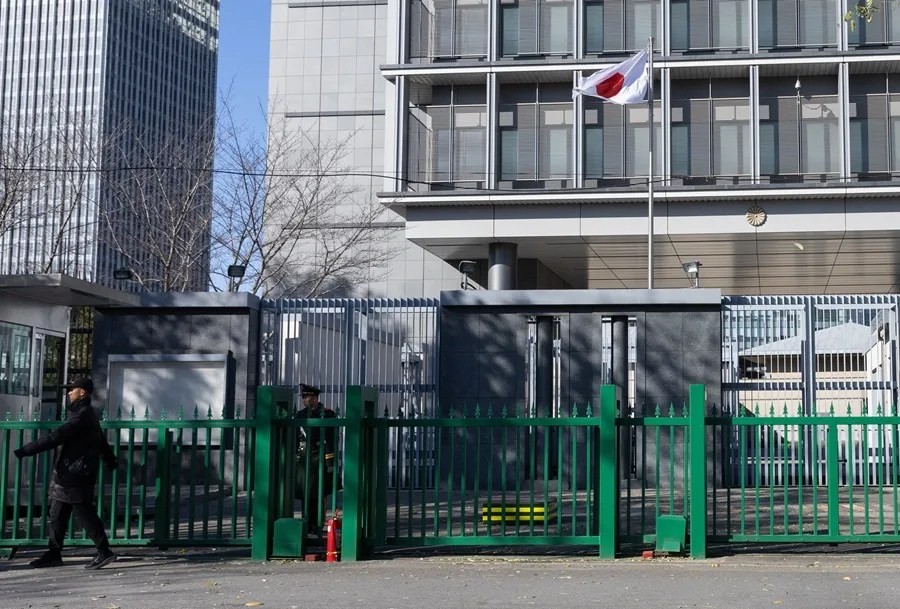
In a deliberate show of military force, China commenced live-fire maneuvers in the Yellow Sea this Monday, intensifying tensions with Japan amid a volatile dispute over Taiwan’s status. These exercises—part of a broader pattern of aggressive posturing—are not isolated; they reveal Beijing’s ongoing strategy to pressure its neighbors while challenging America’s influence in the Indo-Pacific.
Is China Testing Japan’s Resolve and America’s Commitment?
The timing is no accident. As Tokyo dispatched its top Asia policy official to Beijing seeking diplomatic de-escalation, China doubled down on belligerent rhetoric. Japanese Prime Minister Sanae Takaichi’s recent comments suggesting military intervention if China attacks Taiwan became the pretext for Beijing’s harsh rebuke and economic retaliations, including warnings against travel to Japan and suspension of cultural exchanges.
Beijing’s threats go beyond mere rhetoric; China openly warned that any Japanese involvement in a Taiwan conflict would come at “a painful price.” Such ultimatums showcase not only Beijing’s disregard for peaceful dialogue but also its belief that coercion will weaken regional alliances aligned with America First principles — those that prioritize national sovereignty and defend freedom against authoritarian expansionism.
Why Should Americans Care About This Regional Showdown?
Taiwan remains a critical ally and beacon of democracy directly across from mainland China. Any destabilization there threatens the security architecture that keeps trade routes open and safeguards American interests. China’s assertiveness risks dragging allies like Japan into conflict, potentially forcing America into another foreign entanglement unless Washington stands firm.
Unlike prior globalist strategies favoring appeasement, an America First approach demands robust support for partners resisting Chinese coercion. It means reaffirming commitments without ambiguity—making clear that attempts to unilaterally alter Taiwan’s status by force will provoke decisive responses.
The unfolding economic backlash against Japan—including mass cancellations by Chinese tourists and disruptions to stock markets—mirrors how Beijing weaponizes interdependence to punish dissenters. For hardworking Americans watching global supply chains ripple from these tensions, it serves as a warning: relying on fragile relationships with authoritarian regimes jeopardizes economic stability back home.
As we mark decades since World War II’s Pacific theater closed, history warns us about unchecked aggression masked by diplomacy. The question remains: Will Washington heed these lessons or allow Beijing’s provocations to erode peace in East Asia? For national security and economic prosperity, America must champion freedom-loving allies like Taiwan and Japan against coercion from revisionist powers.