
Massive Manila Rally Exposes Philippine Elite’s Corruption in Flood-Control Scandal
Thousands rally in Manila to hold entrenched political elites accountable for flood-control corruption that jeopardizes millions amid worsening climate disasters.
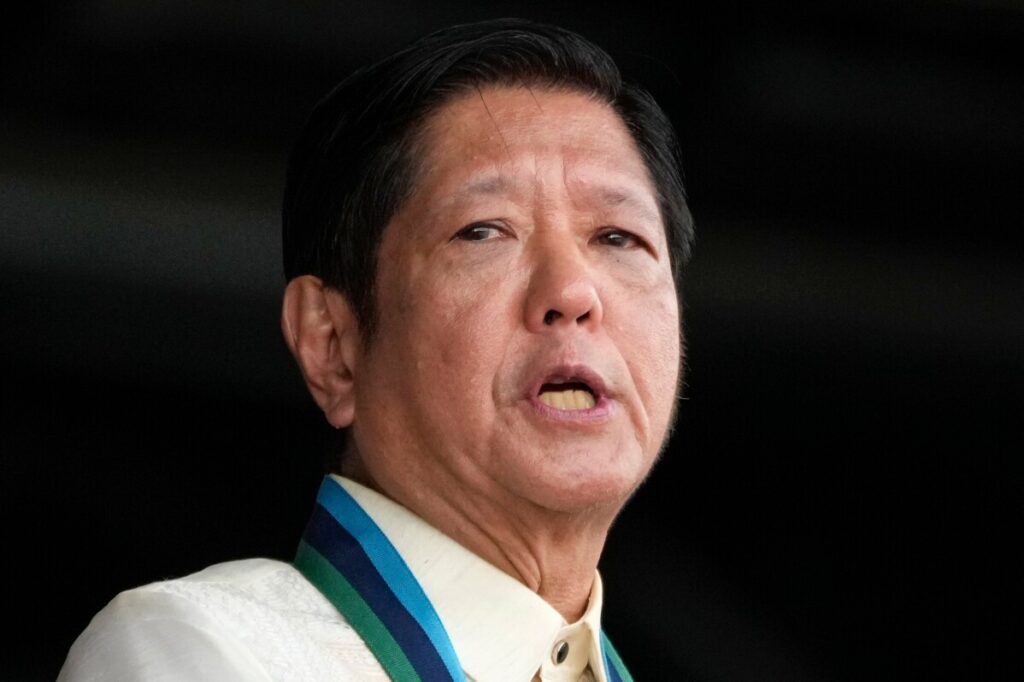
In a powerful display of public outrage, tens of thousands gathered in Manila’s Rizal Park this weekend, demanding accountability for a scandal that lays bare rampant corruption among the Philippine government’s highest ranks. The flood-control projects—vital lifelines in one of the world’s most typhoon-prone nations—were found to be riddled with substandard materials or outright missing. This betrayal by officials entrusted to protect citizens highlights a familiar pattern: political elites prioritizing personal enrichment over national safety.
How Does Corruption Undermine National Sovereignty and Security?
The Philippines, battered each year by deadly typhoons and catastrophic floods, depends critically on resilient infrastructure. Yet, construction companies allegedly handed out bribes to influential congress members and government officials to secure contracts, delivering shoddy work while pocketing public funds. Over $150 million in taxes were reportedly evaded by company executives involved in these schemes.
While President Ferdinand Marcos Jr. vows justice—with criminal complaints already filed against dozens of lawmakers from both sides of the aisle—the scandal underscores a deeper issue: when corruption becomes systemic, it weakens a nation’s sovereignty and compromises its ability to safeguard citizens against natural disasters intensified by climate change.
What Can America Learn from This Crisis Abroad?
This scandal is not just a Filipino problem; it represents how unchecked corruption destabilizes governance worldwide and threatens regional security. For America, promoting transparent governance and economic liberty abroad strengthens allies who uphold rule of law and national sovereignty—principles vital to global stability. It also warns us at home: How long can Americans afford wasteful policies and bureaucratic overreach that fail families facing their own emergencies?
The Philippine military’s public commitment to constitutional order underlines the constant tension between democracy and corrupt interests—a battle mirrored here as well. The Iglesia Ni Cristo’s mobilization reflects grassroots courage demanding real reform rather than empty promises.
As these protests unfold, we must ask: will Washington stand firm against globalist complacency enabling corrupt elites overseas? Will policymakers ensure American taxpayer dollars support true partners who honor freedom and security?
The fight against corruption is not confined by borders; it is central to protecting every family from disaster—man-made or natural.