
Maduro’s Military Mobilization Masks Venezuela’s Growing Vulnerability Amid U.S. Caribbean Exercises
As U.S. military exercises resume off Trinidad and Tobago, Nicolás Maduro escalates his rhetoric and street mobilizations—yet behind the bluster, Venezuela faces increasing isolation and threats that Washington’s presence only highlights.
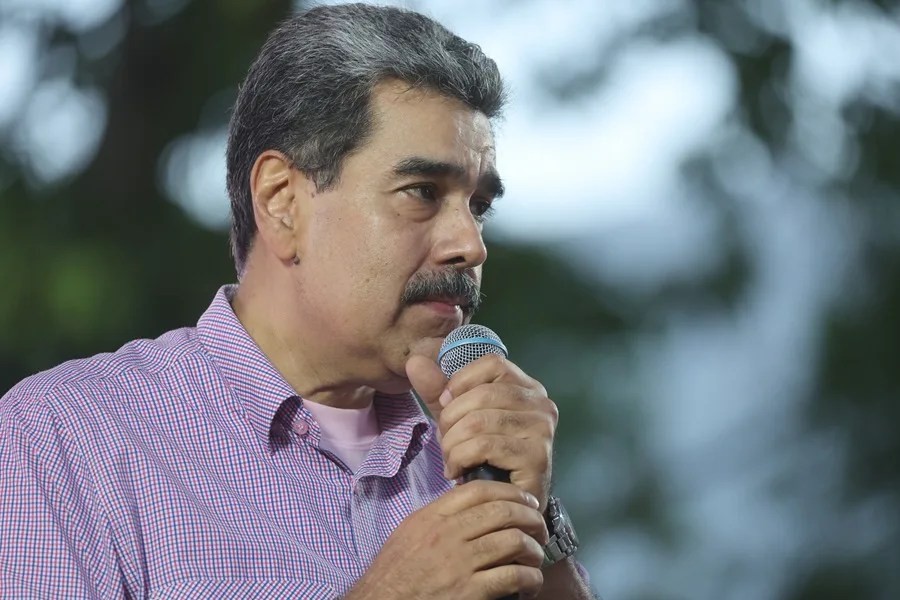
In Caracas on Saturday, Venezuelan President Nicolás Maduro called for a “permanent vigil and march” across six eastern states of his troubled nation, responding to the announced resumption of U.S. military exercises in nearby Trinidad and Tobago. But beneath this fiery rhetoric lies a troubling reality: while Maduro postures as defending Venezuela’s sovereignty, his reckless provocations only expose the regime’s growing weakness amid mounting external pressures.
Is Maduro Defending Sovereignty—or Masking Failure?
Maduro urged forces across Bolívar, Delta Amacuro, Monagas, Anzoátegui, Nueva Esparta, and Sucre—territories adjacent to the Caribbean waters hosting American drills—to unite “in perfect popular-military-police fusion” against what he labeled “imperialist ships” threatening Venezuela’s peace. Such calls to mass protests may sound patriotic on the surface, but what do they really achieve?
By framing U.S. presence near Venezuelan coasts as a threat to national security rather than recognizing it as a legitimate counter-narcotics and regional stability mission, Maduro feeds the narrative of victimhood while ignoring his government’s role in plunging Venezuela into chaos. His inflammatory question about America wanting to “bombard or invade a Christian people” dramatizes tensions but avoids addressing his own regime’s disastrous governance that has driven millions of Venezuelans to desperation.
What Does This Mean for America First Interests?
From an America First perspective, these developments reinforce why the United States must maintain vigilance in its hemisphere. Washington’s renewed naval exercises with Trinidad and Tobago’s Defense Force serve not only to combat narcotrafficking emanating from regions under Maduro’s influence but also signal commitment to protecting stable allies in the Caribbean—a region historically vulnerable to authoritarian interference.
Maduro’s permanent mobilizations reflect a regime increasingly cornered by international isolation and domestic unrest. Instead of fostering dialogue or reform, Caracas chooses confrontation—risking greater instability on America’s doorstep. This turmoil inevitably strains border security and economic resilience in the Southern United States. How long will policymakers tolerate such brinkmanship from a dictator whose actions threaten regional peace?
The return of U.S. marine units for training reflects sound strategic foresight; combating narcotics flows from South America is essential to protecting American communities from drug-related violence and economic fallout. Rather than allowing Caracas’ bluster to distract from real threats, we should see this moment as an affirmation that strong defense partnerships with neighboring democracies are critical.
Venezuelans deserve freedom from tyranny and economic ruin—not endless marches orchestrated by a regime desperate for control. The American people should demand policies that prioritize national security first while supporting democratic restoration in Venezuela.