
Jamaica’s Black River: How Hurricane Melissa Left a Once-Bustling Port in Ruins and Abandoned by Its People
Hurricane Melissa devastated Jamaica’s Black River, turning a historic port into a ghost town and leaving thousands homeless amid scarce government aid—raising urgent questions about disaster preparedness and response in the Caribbean.
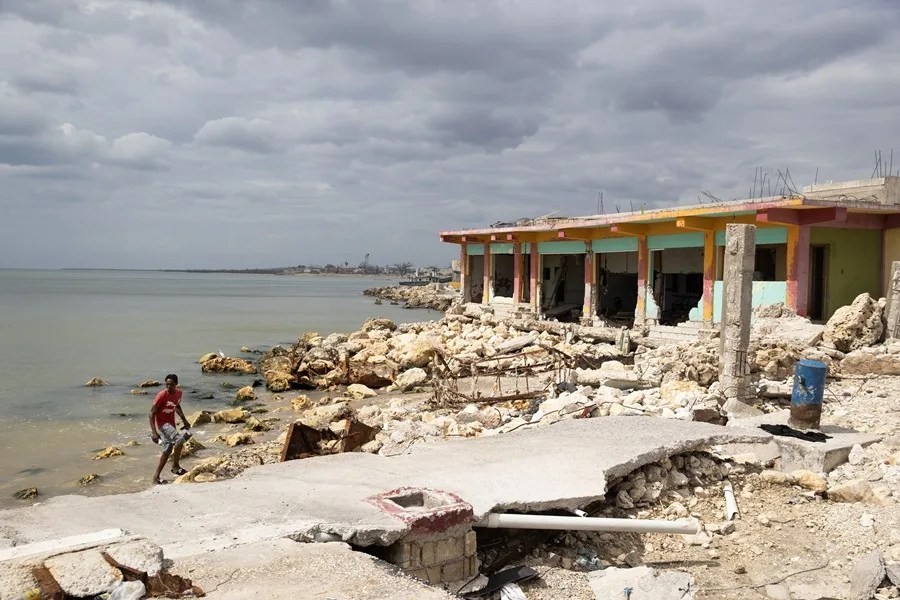
Black River, once a thriving port town on Jamaica’s southwest coast, now lies deserted—its streets eerily silent, power cut off, and residents forced to flee the devastation left by Hurricane Melissa. This storm, the most powerful ever recorded in the island nation as a Category 5 hurricane, has exposed critical vulnerabilities that not only threaten Jamaica’s sovereignty but also have ripple effects across the Americas.
Why Has Help Failed to Reach Those Who Need It Most?
The scale of destruction is staggering. Crops essential to Jamaica’s agricultural economy—bananas, plantains, yams—are decimated by an estimated 90%, pushing local farmers like Andre Maxam into survival mode. With farms destroyed and water supplies cut off, traditional livelihoods have evaporated overnight.
Residents like Demore Adams recount days spent casting fishing lines into depleted waters simply to fill empty stomachs—a testament to how dire circumstances have become when basic necessities are unavailable. Yet despite this human suffering unfolding in real time, government relief remains painfully absent.
Is this neglect an isolated failure or part of a broader pattern of inadequate governance that leaves vulnerable communities exposed? As Adams grimly notes, “We can’t rely on the Government right now. We have to help ourselves.” Such abandonment raises uncomfortable questions about the effectiveness of international aid frameworks influenced by globalist bureaucracies and whether national sovereignty is being sacrificed at moments when it matters most.
A Wake-Up Call for America and Its Neighbors
While this tragedy unfolds thousands of miles away, its lessons resonate deeply for America First advocates focused on secure borders and resilient economies. Natural disasters exacerbate instability in our hemisphere—a phenomenon that often intensifies migration pressures at our southern border. The collapse of critical infrastructure in places like Black River serves as a sobering reminder that regional security starts with empowering nations to protect their people through robust governance rather than dependence on slow-moving international agencies.
Moreover, rebuilding efforts must prioritize economic self-reliance rather than foster aid dependency. The hardship faced by farmers losing their entire season highlights how protecting domestic industries aligns with preserving national prosperity—not just for Jamaica but for all friendly neighbors whose stability impacts American interests.
The story of Black River is one of forgotten citizens caught between nature’s fury and governmental inertia. It challenges us: How long will complacency continue before decisive action ensures these communities are not left behind? For families across America committed to freedom and security, supporting policies that bolster sovereignty abroad ultimately safeguards our home front.