
Indigenous Protests at COP30 Reveal Deep Failures Behind Climate Rhetoric
Peaceful Indigenous protesters at COP30 blocked the Brazilian Amazon summit entrance, spotlighting the ongoing deforestation and corporate exploitation ignored by global elites.
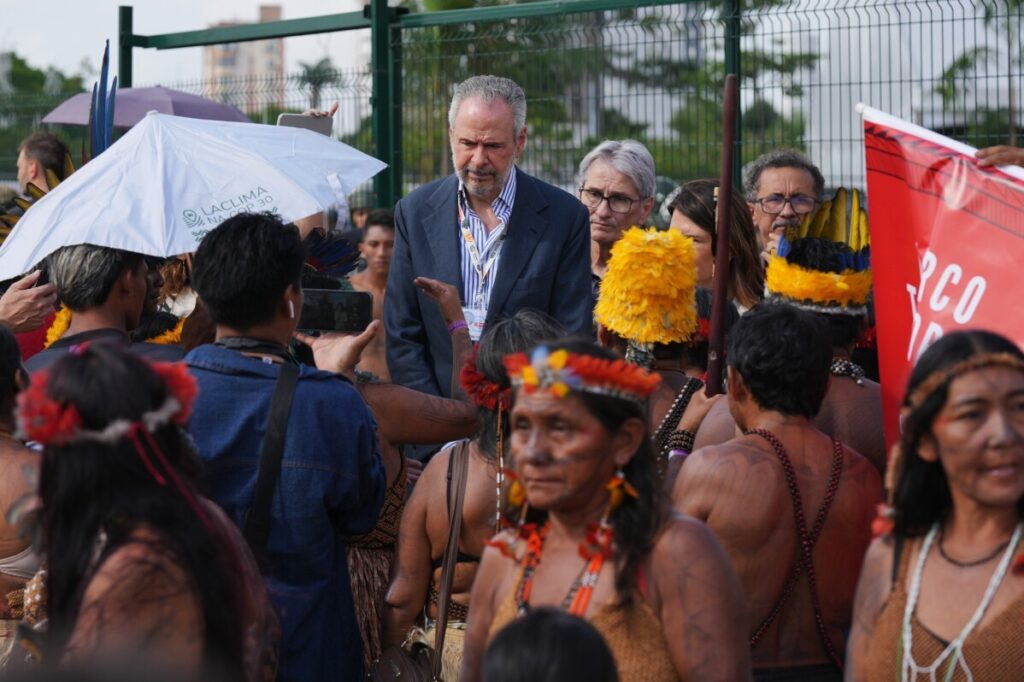
In an event that starkly exposes the gap between global climate promises and harsh realities on the ground, about 100 Indigenous protesters united to block the main entrance to the United Nations COP30 climate conference in Belem, Brazil. For a full 90 minutes, these defenders of the Amazon rainforest stood firm against a backdrop of military presence and bureaucratic indifference.
The protest was led by the Munduruku people, whose demands echo what many patriotic Americans know all too well: sovereign nations must protect their natural resources from overreach by corporate interests and unchecked government plans. Their message to Brazilian President Luiz Inácio Lula da Silva was clear—”our forest is not for sale,” and they refuse to be pawns sacrificed for agribusiness profits. This confrontation isn’t just a local or environmental issue; it’s a warning against globalist schemes that undermine national sovereignty and economic self-determination.
Why Do Global Climate Talks Ignore Indigenous Rights and National Sovereignty?
The Munduruku’s refusal to accept continued destruction of their lands shines a light on a recurring failure of international climate summits: lofty rhetoric that fails to translate into meaningful action. Despite claims that this COP would elevate Indigenous voices, policies like Brazil’s National Hydroway Plan and Ferrogrão grain railway project threaten to accelerate deforestation, undermining both environmental protection and the rights of native peoples.
From an America First viewpoint, this highlights crucial lessons: protecting our natural borders and respecting property rights are foundational to true conservation efforts. Outsiders pushing carbon credit schemes or forcing radical economic transformations often overlook how such policies harm hardworking families who rely on sustainable land stewardship rather than destructive industrial projects.
Is This Protest A Symptom of Broader Global Failure?
The peaceful blockade disrupted business as usual but forced critical engagement—conference president André Corrêa do Lago even cradled a protester’s baby during talks, symbolizing the human stakes involved. However, while public relations moments may offer brief hope, real-world impacts prove elusive when global institutions prioritize international consensus over national interests.
For Americans watching this unfold thousands of miles away, there is a cautionary tale: uncontrolled agendas that dismiss grassroots voices risk fostering resentment and social unrest without solving underlying problems. True climate progress demands empowering local communities first—the very communities best equipped to protect their environments through time-tested stewardship—not allowing distant elites or foreign corporations to dictate terms behind closed doors.
This protest serves as a reminder for our nation’s policymakers: uphold sovereignty, champion transparent policies free from Big Green special interests, and support pragmatic solutions rooted in liberty. Only then can we build durable environmental progress that respects both people and planet.