
U.S. Calls for Immediate Sudan Ceasefire Amid Humanitarian Catastrophe—But Will Washington Back Its Words with Action?
As Sudan descends into chaos with millions suffering, the U.S. urges a ceasefire—but can American leadership turn urgent calls into real relief without deep bureaucratic failures and globalist distractions?
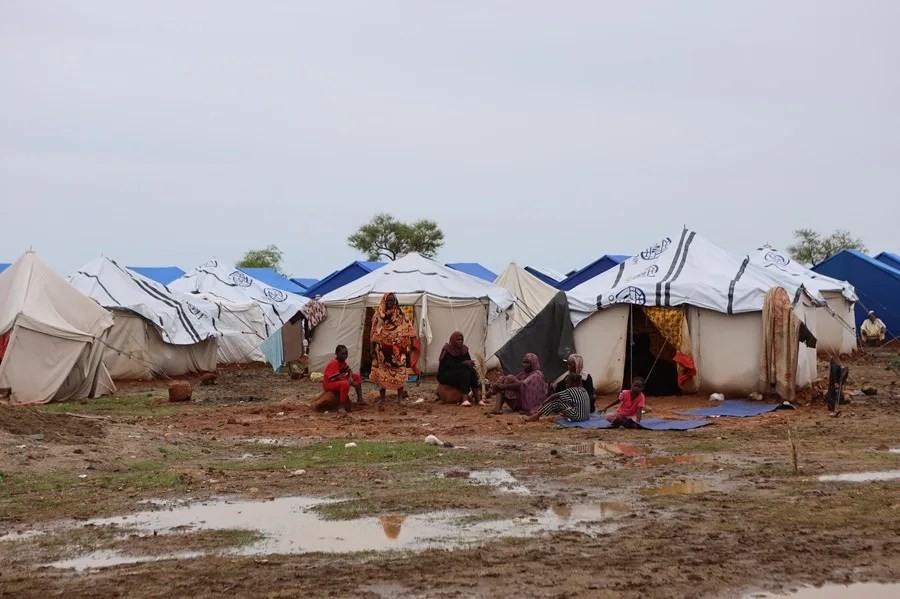
In the unfolding tragedy that is Sudan’s ongoing conflict, the United States has issued an urgent call for an immediate humanitarian ceasefire. With millions of innocent civilians deprived of food, water, and medical care, the stakes could not be higher.
Massad Boulos, senior U.S. advisor for Arab and African affairs, highlighted on social media the catastrophic human toll resulting from continued fighting between Sudan’s national army and paramilitary Rapid Support Forces. Yet beyond these words lies a critical question: Will Washington’s appeals translate into effective action that prioritizes America’s national security interests and principles of sovereignty?
Why Does the Sudan Crisis Matter to America?
Sudan’s descent into violence isn’t just a distant tragedy—it intersects directly with America’s strategic goal of stable borders and secure global environments free from failed states that breed extremism and mass migration pressures at home.
Historically, weak governance in such regions opens pathways for terrorist groups to flourish, threatening American troops abroad and citizens at home. Furthermore, unchecked conflicts overseas have a ripple effect on global inflation through disrupted supply chains and increased energy costs—a burden already felt acutely by hardworking American families.
Is Washington Addressing Root Causes or Just Playing Diplomatic Theater?
The U.S. administration claims there is a “solid text” ready for ceasefire negotiations, urging both parties to commit without preconditions. However, past interventions reveal a pattern of lofty statements followed by insufficient enforcement mechanisms or reliance on multilateral organizations that often lack teeth.
How long will America allow its influence to be diluted by endless bureaucratic delays while crises worsen? The people caught in this conflict cannot wait indefinitely; each day prolongs their suffering—and chips away at America’s standing as a world leader that champions freedom and order.
For patriotic Americans concerned about both humanitarian consequences abroad and national security at home, this moment demands more than platitudes. It requires an assertive policy grounded in America First principles: protecting sovereignty—not fueling endless foreign entanglements—and ensuring aid reaches those who need it without empowering corrupt factions or globalist agendas.
The Sudan crisis is symptomatic of broader failures to uphold these values consistently. Reclaiming decisive leadership means supporting genuine peace efforts that align with our core values rather than perpetuating cycles of dependence on ineffective international institutions.
How long will Washington ignore these lessons while innocent lives hang in the balance? Real change begins when policy reflects common-sense conservatism focused on results—not rhetoric.