
Kai Trump’s Golf Signing Spotlights NCAA Rules and Media Frenzy, But What About Athlete Privacy?
Kai Trump’s commitment to University of Miami golf highlights how NCAA regulations and intense media attention can impact young athletes. Will Miami protect her privacy amid the inevitable spotlight?
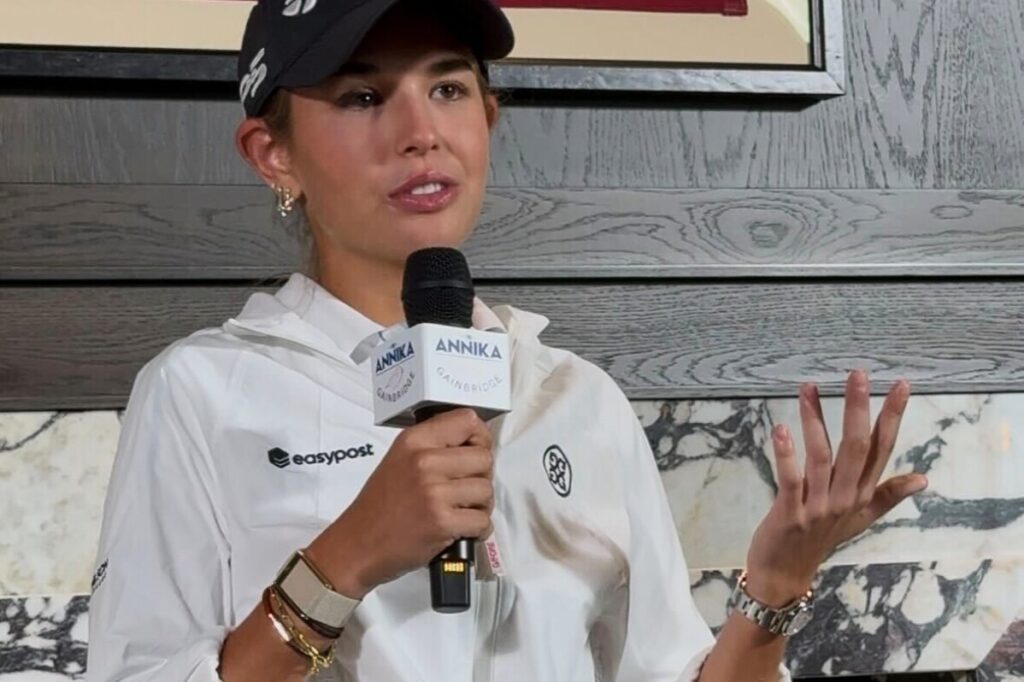
When Kai Trump, granddaughter of former President Donald Trump, signed her letter of intent to join the University of Miami women’s golf team, it was more than just a typical athlete’s commitment—it became a flashpoint for discussing how our institutions handle public exposure and individual privacy.
Signed within the restrictive NCAA Division I signing window rules, Kai’s official announcement was delayed, sparking curiosity and heightened media presence centered not only on her athletic promise but also on her family name. The University of Miami, located near the former president’s Mar-a-Lago estate in Florida, now faces the challenge of balancing this increased attention with its responsibility to maintain a normal collegiate environment for all student-athletes.
What Does Increased Spotlight Mean for College Athletics?
Kai Trump is undeniably talented—a multi-sport athlete with remarkable driving distance off the tee and a competitive spirit praised by LPGA legend Annika Sorenstam. Yet beyond skill lies an unavoidable reality: being part of a high-profile political family draws national scrutiny that few college athletes encounter.
While Coach Janice Olivencia expresses confidence that her mature team will handle media exposure “with great composure,” one must question how prepared collegiate programs are to protect their athletes from potentially distracting public pressure. How long will universities let external fame overshadow hard-earned athletic development? And what precedents does this set for privacy rights within amateur sports?
America First Demands Protecting Our Youth From Globalist Media Frenzy
This saga illustrates a broader issue: American families seeking educational and athletic opportunities domestically must contend with an increasingly invasive global media apparatus that exploits personal associations for clicks rather than focusing on merit or character.
The America First principle calls for prioritizing sovereignty—not just national borders but also individual freedom from undue external interference. Universities thriving under taxpayer support should shield student-athletes from becoming pawns in broader political spectacles. This protects both personal liberty and institutional integrity.
Kai Trump’s story is more than about golf; it’s emblematic of how Washington-aligned media forces trivialize young Americans’ ambitions through relentless scrutiny tied to family ties rather than accomplishments alone.
As Miami equips its women’s golf program with resources and supportive teammates, one hopes this example encourages colleges nationwide to reassess how they uphold autonomy for every competitor—whether or not their last name headlines newspapers.