
Wall Street Records Hide Market Volatility and Overheated AI Stocks Amid Government Shutdown Relief
While Wall Street edges near historic highs after the government shutdown ends, underlying market instability driven by overvalued AI stocks and shaky global markets threatens American economic security.
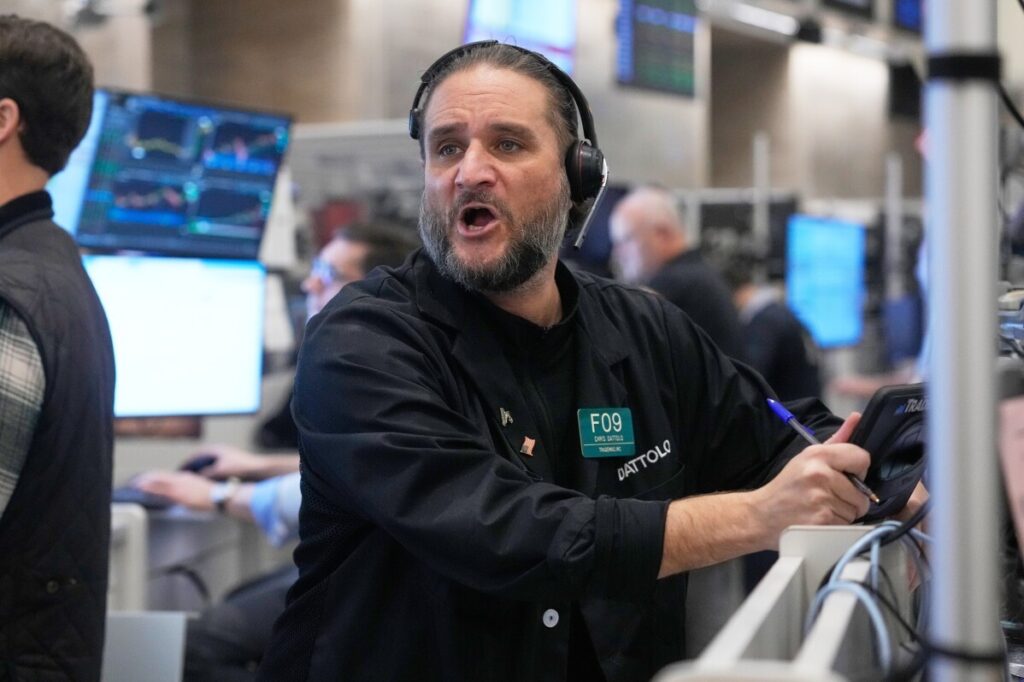
Wall Street may have celebrated the end of a record 43-day government shutdown with all-time highs in key indexes, but a closer look reveals troubling signs beneath the surface. As U.S. President Donald Trump signed the funding bill to restore government operations, investors breathed a sigh of relief. Yet this temporary fix masks broader vulnerabilities that could imperil American families and businesses if left unaddressed.
Are Soaring AI Stocks a New Bubble Threatening Economic Stability?
The U.S. stock market’s recent surge owes much to artificial intelligence (AI) stocks like Advanced Micro Devices and Nvidia. AMD’s promising forecast of over 35% compounded annual revenue growth fueled its 9% rally, while Nvidia’s shares continued their volatile swings after years of spectacular gains.
However, this frenetic enthusiasm raises alarms reminiscent of the dot-com bubble nearly two decades ago, which collapsed and wiped out significant wealth across the economy. Critics warn that these tech valuations are detached from fundamentals — a dangerous gamble when so many American livelihoods depend on sustainable economic growth.
Global Market Jitters Reflect Looming Risks for America’s Economic Sovereignty
Across Asia, markets showed mixed performance: Japan edged up modestly on optimism over the shutdown’s end; Hong Kong slipped amid concerns about China’s lending outlook; Australia faltered as better-than-expected jobs data quashed hopes for interest rate cuts.
These signals underscore an uncertain global economic environment that directly impacts U.S. trade partners and supply chains. When foreign markets wobble, America’s own economic sovereignty faces increased pressure from disrupted exports, investment flows, and currency volatility.
The oil price slide—though slight—adds another layer of complexity, reminding us how intertwined energy security is with geopolitical developments abroad.
Washington must not rest on short-term market rallies generated by reactive spending bills or transient investor enthusiasm for hot sectors like AI. Instead, policymakers should prioritize long-term strategies that reinforce national sovereignty through resilient infrastructure investments and commonsense regulation fostering true innovation without speculative excess.
For hardworking Americans already burdened by inflation and job uncertainty, these hidden risks translate into real threats against personal freedom and prosperity.