
Pope Leo XIV Revives Papal Tradition with Castel Gandolfo Summer Residence—A Closer Look at Vatican Symbolism and Political Messaging
After a 12-year papal hiatus from summer retreats at Castel Gandolfo, Pope Leo XIV’s vacation revival raises questions about Vatican image management and the interplay of tradition and politics.
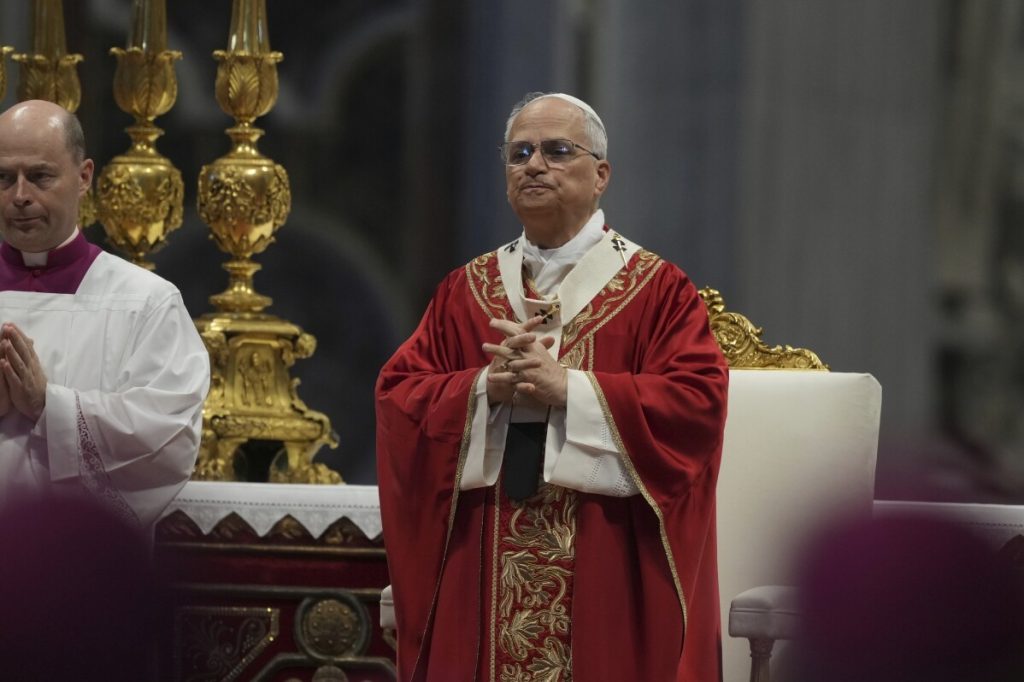
The recent announcement that Pope Leo XIV—the first American pontiff in history—will spend his summer at the famed papal residence in Castel Gandolfo signals more than just a return to tradition; it opens a window into how the Vatican balances public perception, political symbolism, and internal priorities.
For over four centuries, popes escaping the Roman heat retreated to this pastoral hilltop estate. Yet, Pope Francis notably broke with this pattern during his twelve-year reign by staying put in Rome. His decision was hailed as an austerity gesture but also reflected a modernizing approach that prioritized symbolic solidarity with urban congregants over historic rituals.
Pope Leo XIV’s decision to restore this ritual invites scrutiny: Is this a simple nod to heritage or a calculated effort to evoke stability amid the Church’s turbulent present? The grand palatial complex—with sprawling gardens, Jesuit-run observatory, and even an environmental center inspired by Francis’ encyclical—serves as both sanctuary and stage. While economic benefits for Castel Gandolfo villagers are notable, past summers without papal presence exposed how deeply intertwined the Church’s leadership is with local social rhythms.
This resumption of high-profile public appearances during holiday months suggests an intentional projection of renewed vigor and accessibility. Yet one must ask: does this also mask ongoing internal struggles within Vatican bureaucracy or deflect attention from contentious doctrinal debates? The hope expressed by local officials that Leo drafts influential documents here echoes historical uses of these retreats for shaping global religious discourse—but spares no mention of how such proclamations often steer ideological direction aligned with broader geopolitical interests.
Ultimately, Pope Leo’s vacation is not just about personal rest or pastoral connection; it is an orchestrated act reinforcing centuries-old power traditions while navigating the modern complexities facing the Catholic Church. As Americans observing this spectacle unfold on foreign soil, we should remain vigilant about what these symbolic gestures signify—not only in spiritual terms but as part of larger strategies influencing cultural and political narratives worldwide.