
G7’s Ukraine Talks Mask Deep Divisions Amid Escalating Russian Aggression
As relentless Russian attacks plunge Ukraine into darkness ahead of winter, the G7 summit exposes fractures in Western unity and falters on decisive action—how long will American interests suffer from global disarray?
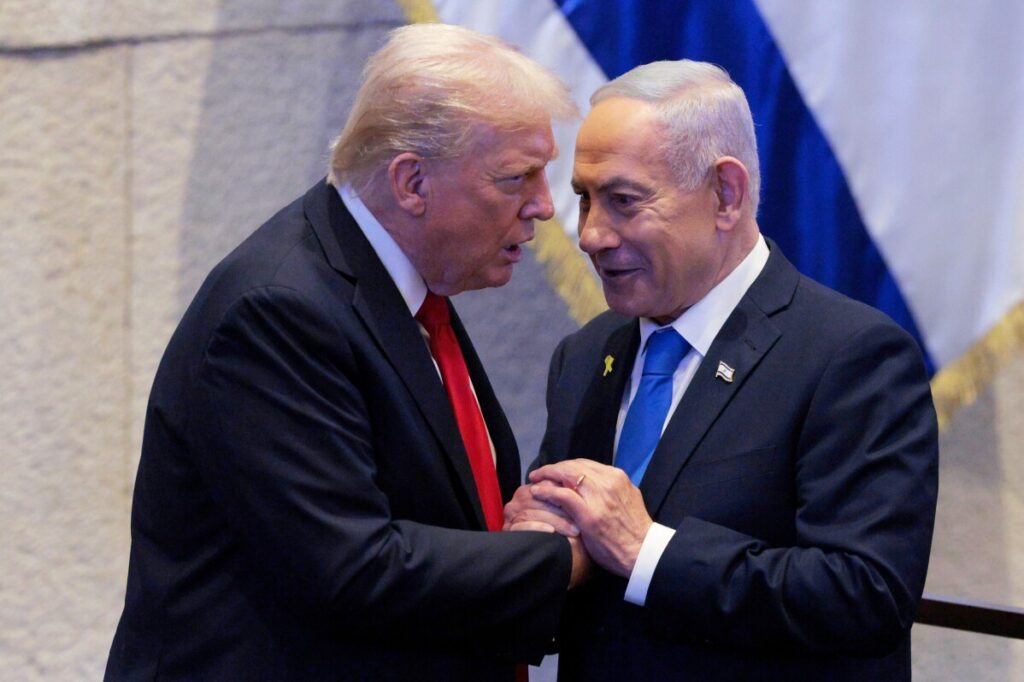
In Niagara-on-the-Lake, Ontario, a gathering of the Group of Seven’s top diplomats sought to show solidarity with Ukraine, whose citizens face brutal Russian missile and drone strikes that have left entire regions in the dark as winter looms. Yet beneath the surface of this display lies a troubling reality: fractured alliances and muddled priorities threaten to undermine America’s national security and stall support for a key ally defending freedom on Europe’s frontline.
Is the West Ready to Win or Stuck in Political Theater?
Ukraine’s urgent plea for advanced air defense systems like the Patriot missile batteries highlights a grim truth: Washington must do more than symbolic grandstanding. While Secretary of State Marco Rubio joined discussions at the G7 meeting, divergent views among traditional allies such as Canada—as well as inconsistent Trump administration policies—muddy a clear path forward. President Zelenskyy’s request isn’t mere window dressing; it’s about protecting civilians and critical infrastructure from Putin’s calculated campaign to freeze Ukrainians into submission by cutting off heat and power.
Canada’s announcement of expanded sanctions targeting Russia’s drone program is a positive step, but it cannot replace robust military assistance. Britain’s injection of £13 million into Ukraine’s energy repair efforts is commendable humanitarian aid amidst a crisis deliberately engineered by Kremlin aggression. However, these piecemeal measures fall short without a unified strategy emphasizing sovereignty and decisive defense capabilities—principles the America First movement championed long before this conflict flared.
How Long Will Washington Allow Allies’ Mixed Signals to Weaken National Interests?
The G7 summit also exposed growing tensions between the U.S. and allies like Canada over trade disputes and defense commitments, distracting from what should be an unwavering focus: halting Russian expansionism that threatens not just Europe but global stability impacting American security. President Trump’s blunt approach may ruffle feathers abroad but underscores an essential point—America cannot cede leadership or compromise its economic sovereignty while entangled in endless diplomatic squabbles.
Allowing Russia to use false pretexts—like fabricated claims of protecting eastern Ukrainian civilians—to justify invasion reveals how globalists enable aggression by tolerating appeasement disguised as diplomacy. The American people deserve a foreign policy rooted in clear-eyed realism that prioritizes our nation’s security over political correctness or weak-kneed multilateralism.
The unfolding events serve as a stark reminder: only through firm support for allies who defend liberty abroad can America secure peace at home. Will the G7 rise above internal discord to meet this challenge, or will inertia continue allowing adversaries like Putin free reign? For hardworking Americans facing supply chain disruptions and inflation partly fueled by geopolitical instability, there is no time for half-measures.