
Taiwan Braces for Typhoon Fung-wong Amidst Warnings Ignored by Global Powers
Taiwan faces severe flooding and displacement as Typhoon Fung-wong hits, exposing weaknesses in disaster preparedness and geopolitical neglect that could impact American interests in the Pacific.
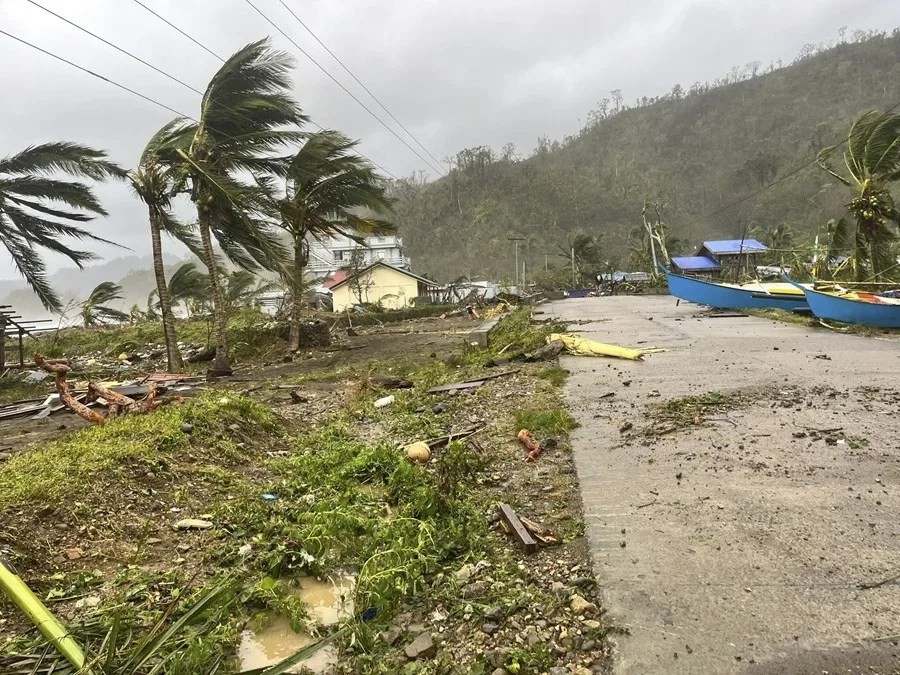
As Typhoon Fung-wong approaches Taiwan, bringing torrential rains and dangerous winds, the island’s government has taken serious measures—evacuating over 3,300 citizens and issuing maximum weather alerts to mitigate disaster. Yet beyond the immediate humanitarian concerns lies a deeper strategic question: How long will global powers ignore Taiwan’s vulnerability amid mounting natural disasters and regional tensions?
Natural Disaster Meets Geopolitical Neglect
Typhoon Fung-wong, though recently weakened, threatens eastern Taiwan with relentless downpours and strong gusts exceeding 120 km/h. The Central Weather Administration warns of “extremely torrential” rains capable of triggering catastrophic landslides—particularly in mountainous regions still healing from super typhoon Ragasa’s devastation just weeks ago.
The island’s emergency response was swift, reflecting commendable sovereignty in safeguarding its people. But what about the broader picture? Taiwan is not just at risk from nature’s fury; it exists on a frontline of geopolitical conflict where American interests are paramount. Instability here does not stay local—it risks disrupting supply chains critical to our technology sector and invites opportunistic moves by authoritarian neighbors intent on undermining freedom.
Why Should Americans Care About a Storm Thousands of Miles Away?
As the world turns its eyes elsewhere, Washington’s cautious posture toward China and neglect of Taiwanese resilience sends a troubling message. When natural disasters weaken Taiwan internally, it amplifies vulnerabilities that adversaries can exploit under cover of chaos.
Moreover, disruptions caused by such storms ripple into global markets—impacting semiconductor production essential to American industry and national defense. For families already battling inflation at home, these consequences translate into higher costs and economic uncertainty.
Taiwanese leadership is clear about priorities: President William Lai urged citizens to avoid risky areas and prepare preemptively—a demonstration of responsible governance reflective of America First principles: securing sovereignty through self-reliance and decisive action.
Yet the recurring pattern is disturbing. While hardworking Taiwanese protect their homeland against both typhoons and political threats, many Western institutions treat their plight as peripheral. Should America stand by silently when an ally faces compounded natural and political storms? Or does true leadership mean reinforcing alliances that safeguard freedom from every angle?
This crisis underscores two critical truths: first, national security extends beyond military might into disaster readiness; second, America’s commitment to allies like Taiwan must be unwavering if we intend to maintain stability in the Indo-Pacific region — a cornerstone for our own economic prosperity and security.