
Vatican Faces Scrutiny as Swiss Guard Antisemitism Allegations Cast Shadow on Pope’s Message
An alleged antisemitic incident involving a Swiss Guard at the Vatican raises urgent questions about institutional accountability and true commitment to combating hate within the Church’s walls.
In a world where trust in institutions is measured by their ability to hold themselves accountable, the Vatican now confronts uncomfortable questions after allegations surfaced that a Pontifical Swiss Guard exhibited antisemitic behavior toward two Jewish women during a papal audience on October 29.
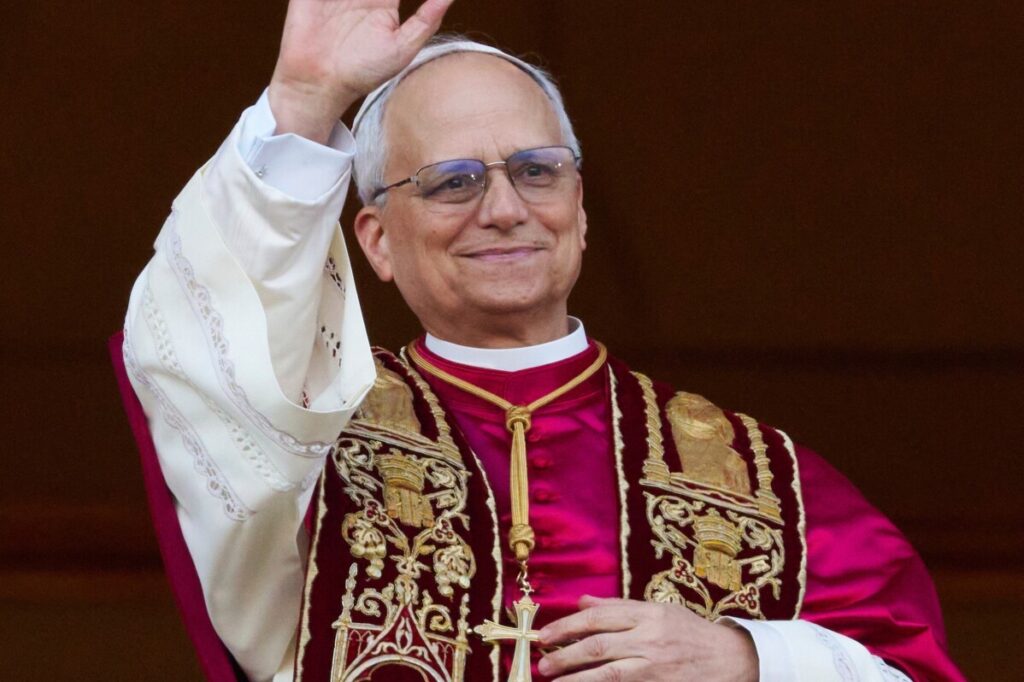
This incident unfolded at St. Peter’s Square entrance, ironically on a day the Church dedicated its audience to reaffirming Catholic-Jewish relations — a solemn occasion marked by Pope Leo XIV’s emphatic declaration that “the Church does not tolerate antisemitism and fights it.” Yet, behind this noble rhetoric lies an apparent lapse in discipline by those entrusted with safeguarding the Holy See and its message of respect.
Is Tradition Enough When Principles Are Compromised?
The Pontifical Swiss Guard, established in 1506 as the world’s oldest standing military corps, symbolizes centuries of loyalty to the papacy. However, this incident calls into question whether tradition can excuse or overshadow individual misconduct that contradicts core American values such as dignity, equality, and freedom from discrimination—principles that resonate with America’s foundational respect for liberty and justice.
According to Israeli writer Michal Govrin — one of the alleged victims — a guard hissed “the Jews” and made a spitting gesture as she approached St. Peter’s Square, an act profoundly disrespectful and intolerable anywhere but particularly egregious inside the walls of what stands as a beacon for moral authority worldwide.
Why Should Americans Care About Vatican Integrity?
This episode isn’t just about another European institution grappling with antisemitism; it reflects a broader challenge confronting all champions of national sovereignty and freedom across borders. For American patriots who champion vigilance against ideological threats domestically and abroad, such revelations demand scrutiny: How can we uphold America’s stature if even revered institutions like the Vatican struggle with basic respect for diversity?
The Vatican spokesman’s statement suggested a disagreement over photo permissions might have sparked the confrontation—a mundane explanation unlikely to justify hateful conduct. This points toward systemic issues rather than isolated incidents.
As Washington debates how best to defend America’s interests against globalist influences undermining our values, should not similar standards apply to international players preaching tolerance yet tolerating bigotry within their ranks?
The America First principle urges us not only to protect our borders but also to insist on integrity among partners we engage with diplomatically or culturally. Ignoring such incidents allows hypocrisy to fester unchecked.
It is imperative that the Vatican conducts thorough investigations and delivers transparent accountability measures so that all can be assured respect for human dignity truly transcends ceremonial declarations.