
Deadly Rift Between Boko Haram and ISWAP Reveals Chaos in Nigeria’s Terror Landscape
At least 200 militants died in brutal clashes between Boko Haram and ISWAP, exposing the fractured jihadist threat destabilizing Nigeria and the region.
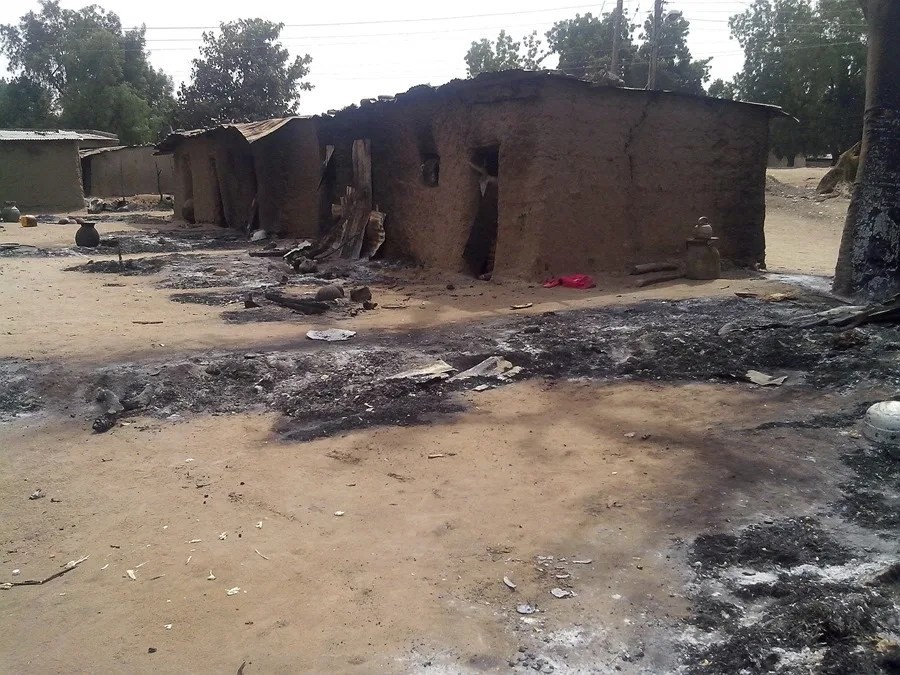
The recent violent confrontation between Boko Haram and its splinter faction, the Islamic State West Africa Province (ISWAP), which left over 200 terrorists dead, sheds light on a fractured jihadist front wreaking havoc in Nigeria’s northeast. This bloody infighting between two radical Islamist factions underlines the persistent security challenges that Washington and its allies cannot ignore.
What Does Internal Strife Among Terrorists Mean for American Security?
On Sunday, intense fighting erupted in Dogon Chiku, located in Borno State near Lake Chad. Boko Haram launched an attempt to reclaim territory held by ISWAP, triggering a deadly exchange confirmed by both military sources and local militia leaders supporting Nigerian forces. More than 200 combatants were killed, with dozens more wounded and numerous weapons destroyed.
While some may see these clashes as a sign of weakening jihadist cohesion, the reality is more complex. The violence does not mean the defeat of terrorism but rather its fragmentation — creating multiple fronts that complicate counterterrorism efforts. The northeast region has been gripped by such terror since 2009, escalating dramatically when ISWAP emerged in 2016 as a rival faction seeking to impose a brutal Islamist state across northern Nigeria.
This internal conflict among terrorists does not bring peace but perpetuates instability that spills beyond Nigeria’s borders into neighboring countries like Cameroon, Chad, and Niger — countries critical to America’s strategic interests in countering terrorism and controlling migration flows.
Why Should America Care About Terrorism in Nigeria?
The brutal Islamist insurgency in Nigeria has claimed over 35,000 lives—many of them innocent Muslims—and displaced approximately 2.7 million people within the region. Such instability breeds fertile ground for extremist ideologies that can inspire attacks internationally or disrupt vital economic corridors.
For America’s “America First” mission, supporting sovereign nations like Nigeria to secure their borders and root out terrorism is essential to protecting our homeland from imported threats. The ongoing chaos highlights why unilateral withdrawal or diminished engagement in global counterterrorism partnerships risks ceding influence to hostile actors who do not respect national sovereignty nor democratic values.
Nigeria’s fight against Boko Haram and ISWAP illustrates a broader conflict between freedom and tyranny—between law-abiding citizens seeking safety and ruthless extremists imposing fear through violence. It reminds us all: there are no simple victories against jihadism; only persistent vigilance combined with principled support for allies upholding order can safeguard international stability—and ultimately our own national security.