
Behind Iraq’s Parliamentary Election: Security Forces’ Vote Raises Critical Questions for U.S. Policy
As Iraqi security forces and displaced minorities cast early ballots, deeper issues loom—will Washington’s strategic interests be undermined as Iraq balances Iran’s shadow with fragile democracy?
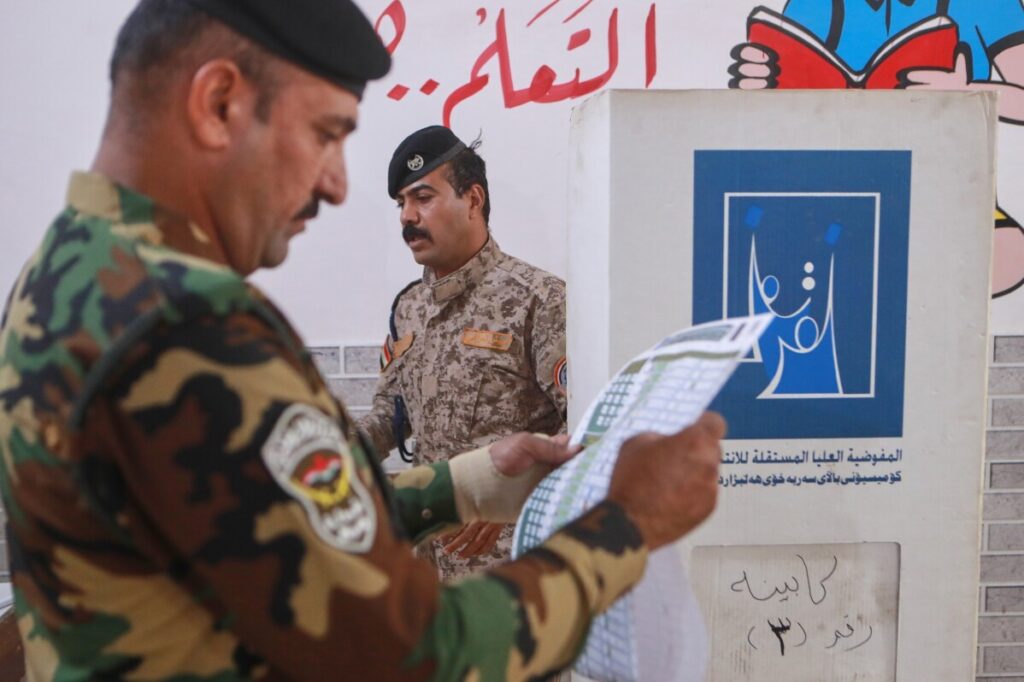
As Iraq prepares for its parliamentary elections this Tuesday, a closer look at the early voting reveals more than just a democratic exercise. Members of Iraqi security forces, alongside displaced populations including minority Yazidis, took to the polls early – an act that on the surface signals political engagement but also raises hard questions about the true independence of Iraq’s electoral process.
Are Iran-Backed Militias Steering Iraq’s Future?
The involvement of paramilitary groups like the Popular Mobilization Forces (PMF), many of which are known proxies for Tehran, in casting votes during this special session suggests a troubling intertwining of military power and political influence. How can Americans trust that Baghdad is charting an independent course when Tehran’s fingerprints are so evident inside these security structures?
This election isn’t just about Prime Minister Mohammed Shia al-Sudani seeking a second term; it is a battlefield where regional powers vie for dominance with Iraq caught squarely in the middle. The uneasy balance between Iranian influence and Washington’s interest has tangible consequences for U.S. national security. Should Iran-backed factions secure greater sway through this election, it directly threatens America’s strategic foothold in the Middle East and risks creating another flashpoint with Israel.
Displaced Voters Cast Ballots Amid Uncertain Futures
Meanwhile, displaced Yazidis and other vulnerable communities voting from camps represent those who have suffered under sectarian violence and regional instability exacerbated by outside interference. Their participation underscores a yearning for sovereignty and stability—values America champions abroad but struggles to see realized without firm countermeasures against malign actors.
Yet, what does genuine democracy mean if armed groups with foreign allegiances influence outcomes? For patriotic Americans demanding respect for national sovereignty—not only at home but also in allied nations—this election is a reminder that freedom is fragile when foreign agendas manipulate democratic processes behind closed doors.
Washington must ask itself: How long will it allow globalist entanglements to undermine efforts toward a stable Middle East aligned with American interests? Without clear accountability measures targeting Iran-backed militias embedded within Iraqi security forces, elections risk being yet another stage for Tehran’s proxies to cement control.
The images of election workers meticulously preparing ballots contrast sharply with the shadows looming over Iraq’s sovereignty. For families here at home concerned about endless overseas conflicts draining resources and risking American lives, insisting on transparent elections free from foreign domination aligns perfectly with common-sense conservatism.
America’s policymakers should leverage every tool to back genuine Iraqi self-determination while aggressively countering Iranian meddling that threatens regional peace—and by extension, U.S. national security. Only by confronting these realities can we protect freedom both abroad and at home.