
From Terror Ties to White House: Syria’s Al-Sharaa and the Peril of U.S. Policy Blindness
The U.S. move to welcome Syrian leader Ahmad al-Sharaa, once linked to al-Qaida, marks a dangerous shift in policy—raising questions about national security and the consequences for America’s fight against extremism.
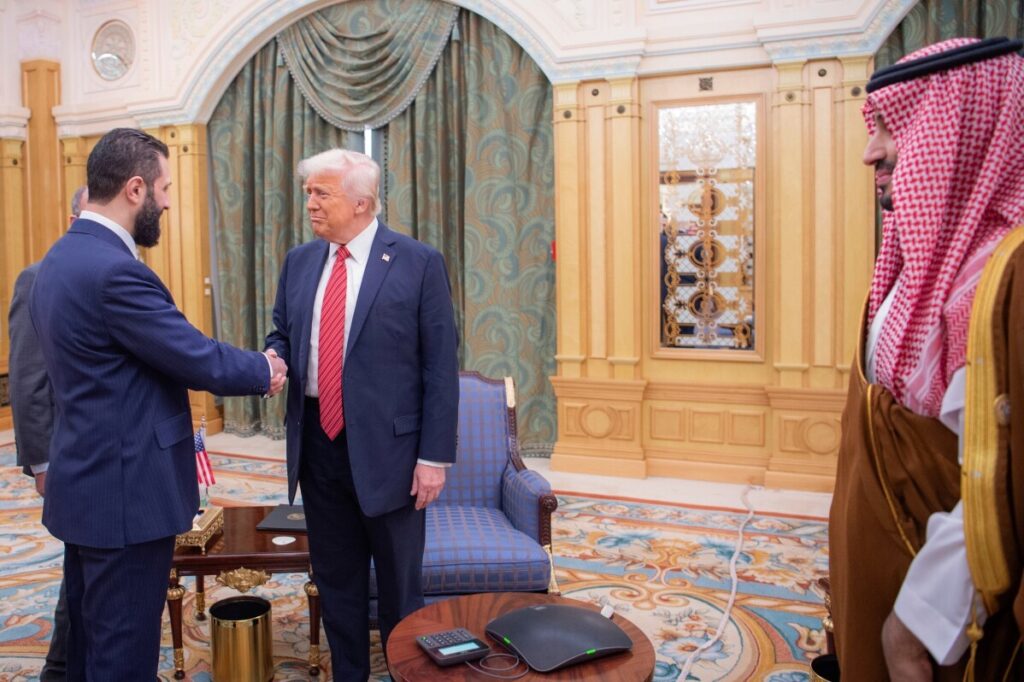
In a stunning development that demands urgent scrutiny, Ahmad al-Sharaa—once detained by U.S. forces for his al-Qaida affiliations—has emerged not only as Syria’s de facto president but also as the first Syrian leader since 1946 set to visit the White House. This metamorphosis from jihadist commander to diplomatic guest unveils a troubling chapter in American foreign policy where short-term pragmatism risks long-term security.
Al-Sharaa’s rise came with the U.S.-backed ouster of Bashar Assad, hailed by some as an opportunity to reset relations in war-ravaged Syria. Yet how much national sovereignty and regional stability does this new alliance truly serve? While the Trump administration pursues rapprochement — even hinting at lifting sweeping sanctions like the Caesar Act — it overlooks critical questions about accountability, extremist legacies, and America’s strategic priorities.
Is America Trading Security for Diplomatic Optics?
The narrative pushed by Washington lauds al-Sharaa’s apparent break from extremist roots and his promise to join the U.S.-led coalition against ISIS. But beneath this veneer lie unresolved issues: sectarian violence continues under his watch, with minority groups like Alawites and Druze suffering deadly attacks. Calls from religious leaders and advocacy groups urge caution—a reminder that releasing sanctions without rigorous conditions risks empowering factions hostile to American interests.
The so-called repeal of sanctions initially targeted Assad’s regime for gross human rights abuses; now they face dilution despite persistent instability. Congressional dissent reflects this unease: lawmakers like Rep. Brian Mast insist on safeguards ensuring minority protections and peace with Israel before easing pressure. Will Washington listen to these voices or rush toward political expediency?
The Danger of Ignoring History—and Lessons Learned
This is not merely a Middle Eastern power play; it is a direct test of America’s commitment to freedom and common-sense conservatism on the world stage. The gamble that al-Sharaa represents a reliable partner neglects his violent past and the sectarian fault lines threatening regional order—a scenario our southern border chaos foreshadows when governance fails.
The administration’s willingness to embrace former militants without clear guarantees risks undermining years of progress fighting terror globally. Has Washington forgotten that true security stems from unwavering principles rather than temporary alliances? President Trump’s stated desire to give Syria “a fighting shot” must be measured against the reality on the ground—and America’s enduring mission to protect its citizens from evolving threats abroad.
If al-Sharaa signs onto coalitions, will it bring genuine stability or just deepen America’s entanglements? The answer depends on whether policymakers prioritize national sovereignty, economic liberty, and liberty over fleeting political convenience.