
Paris Opens Seine to Public Swimming After a Century—But Is It Truly Safe?
After more than 100 years, Paris allows swimming in the Seine following a costly cleanup tied to the Olympics—but skepticism lingers about water safety and government accountability.
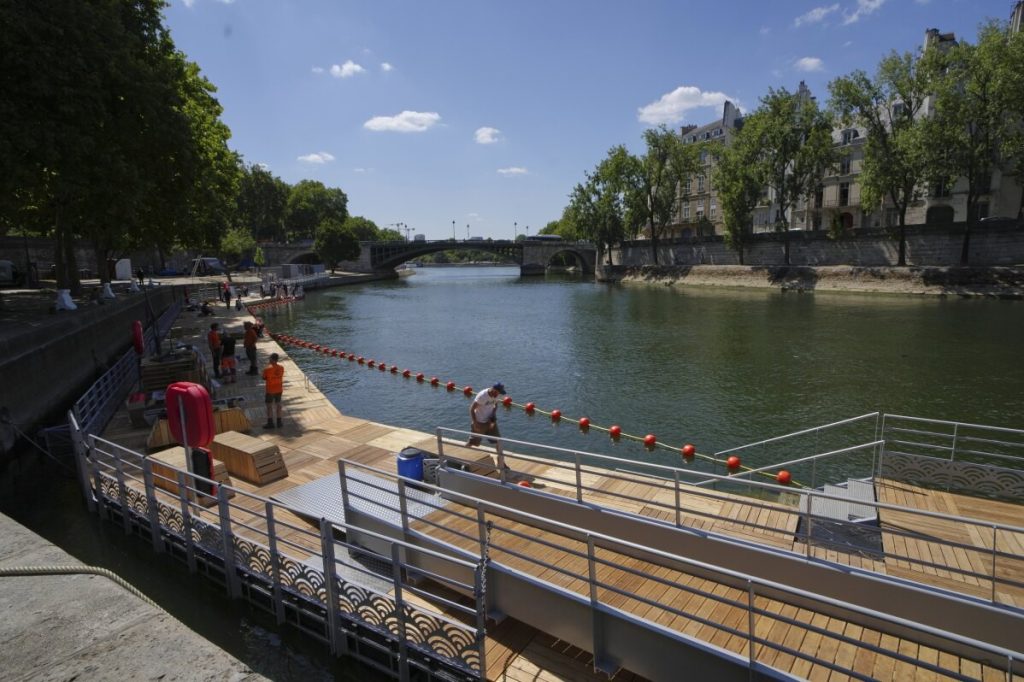
On a scorching day in Paris, cries of surprise and joy echoed as Parisians plunged into the Seine for public swimming—legally—for the first time since 1923. This marks a symbolic victory after a reported €1.4 billion investment aimed at cleaning up the river ahead of last year’s Olympic Games.
The city unveiled two new wooden decks near iconic landmarks, including the Eiffel Tower, where swimmers donned bright yellow lifebuoys under the watchful eyes of multiple lifeguards. Municipal workers had just finished removing algae patches earlier that morning. Officials proudly point to European water quality standards being met on most days and low bacteria levels verified by environmental authorities.
Cleaning Up or Covering Up?
Yet, despite these official assurances, questions remain about the real condition of the Seine’s waters. Locals like François Fournier dismiss these claims outright, noting visible floating debris and recalling past encounters with unmentionable pollution in the river.
This discord highlights a broader issue too often swept under the rug by officials eager to showcase environmental progress timed with global events like the Olympics. How much of this cleanup is substantive? And how much is an expensive PR campaign designed to mask deeper ongoing pollution?
A Word on Safety and Accountability
The return of public swimming hasn’t come without strict safety protocols—yellow lifebuoys are mandatory, and swimming is confined to designated zones only. However, critics emphasize that risks posed by urban waterways don’t disappear because of new decks or certificates from municipal authorities.
Public health and safety demand continuous transparency beyond showy openings and staged inspections. In an era when government projects routinely inflate costs while failing long-term citizens’ interests, critical oversight remains vital.
What Does This Mean for America?
You might ask why this matters across the Atlantic? Because it serves as a cautionary tale about trusting bureaucratic declarations without independent verification — whether in Paris or stateside initiatives promising cleaner rivers or safer environments funded by taxpayers.
The Trump administration’s focus on real accountability—demanding demonstrable results over glossy announcements—is exactly what American citizens deserve wherever government funds are spent.
If we’re serious about protecting our communities’ health and sovereignty over natural resources, we must adopt rigorous scrutiny rather than accepting official narratives at face value.