
Behind the Photos: What Caribbean and Latin America’s Headlines Reveal About Global Overreach and U.S. Interests
From Bolivia’s controversial political releases to Prince William’s environmental PR tour, these top images expose the tangled web of foreign influence and regional instability that demands America’s attention.
The past week in the Caribbean and Latin America offers more than vibrant photographs—it presents a stark reminder of how foreign political upheaval, globalist initiatives, and climate ambitions intersect in ways that directly impact America’s national interests.
Why Should We Care About Bolivia’s Political Drama?
Bolivia’s former interim President Jeanine Áñez was released after the Supreme Court annulled her 10-year prison sentence. While this might seem like an isolated event thousands of miles away, it reveals a troubling pattern where judicial decisions are entangled with shifting political winds influenced by global powers. Áñez’s imprisonment and release reflect deep political divisions in a region critical to U.S. security interests, especially given Bolivia’s strategic resources. How long will Washington overlook these developments while China and other adversaries gain leverage?
Amidst this unrest, we see communities honoring traditions during Day of the Dead celebrations—reminders of enduring cultural identity even as political instability threatens regional stability. However, these sacred moments are overshadowed by violence, such as the tragic shooting of Mayor Carlos Alberto Manzo in Mexico during festivities—a symptom of lawlessness spreading unchecked.
Globalist Climate Agendas vs. American Sovereignty
Meanwhile, Prince William’s visit to Brazil promoting his Earthshot Prize signals another front where globalist environmental agendas seek influence in Latin America. Such initiatives often come cloaked in altruism but risk imposing regulations that hamper economic sovereignty and energy independence—principles at the core of America’s prosperity under policies championed by former President Trump.
The image of police patrolling on buffaloes near Brazil’s Amazon ahead of the UN climate conference hints at increasing militarization tied to environmental enforcement—a precursor to external interference that could affect trade routes and border security critical to the U.S.
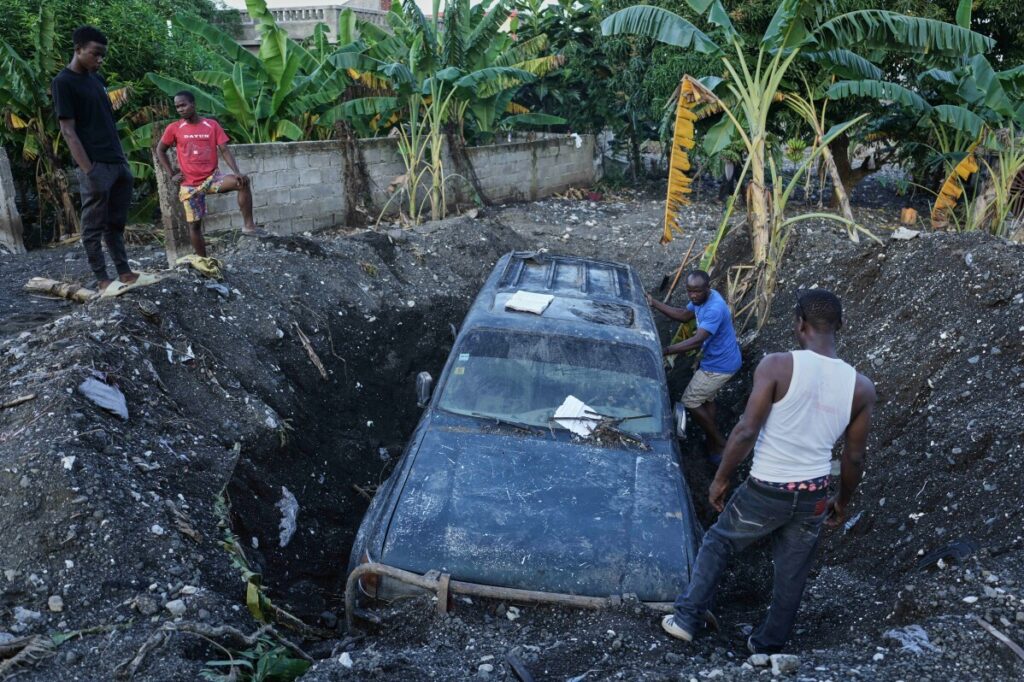
On another front, natural disasters like Hurricane Melissa’s aftermath in Haiti reveal how fragile infrastructure invites chaos that ripples across hemispheres. Disasters abroad often trigger migration waves impacting our southern border—a crisis Washington continues to mishandle.
These snapshots collectively tell a story beyond their immediate subjects: a narrative about how foreign instability fueled by globalist agendas can undermine American freedom, security, and economic opportunity if left unchecked.
Our vigilance must extend beyond headlines to challenge these narratives before they shape policies detrimental to national sovereignty.