
Pope Leo’s Gaza Talks with Abbas Reveal Global Disconnect from America First Security Priorities
Pope Leo XIV’s meeting with Palestinian President Abbas underscores a global elite fixated on flawed peace plans, while ignoring America’s sovereignty and security challenges posed by Gaza violence.
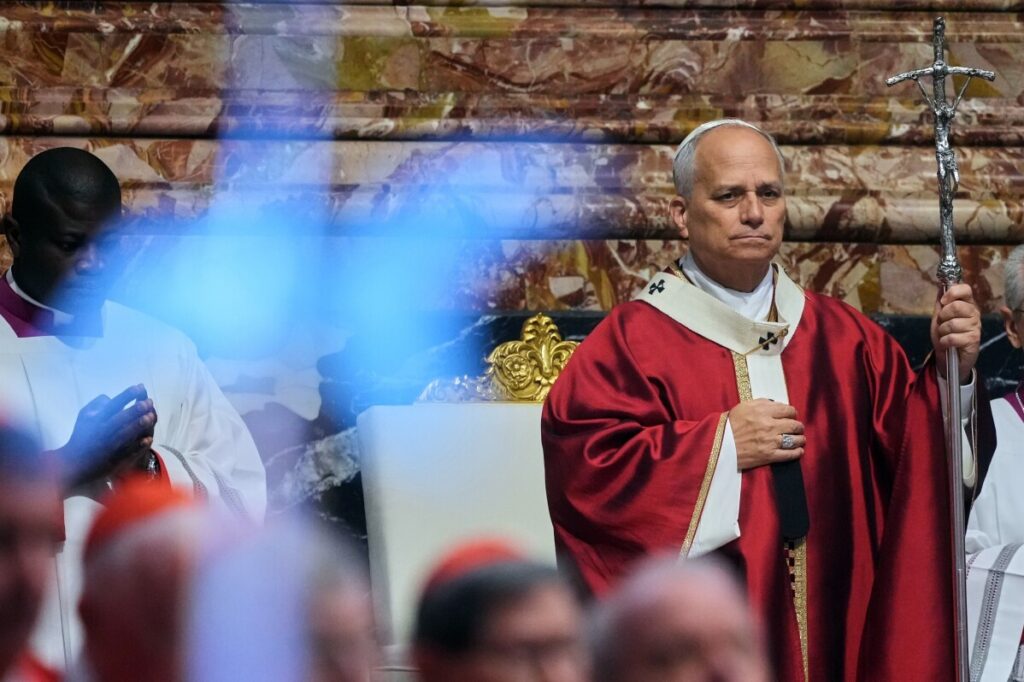
On the surface, Pope Leo XIV’s first-ever in-person meeting with Palestinian President Mahmoud Abbas appears as a diplomatic step towards peace. But beneath this well-intentioned veneer lies a stubborn disconnect from what truly matters to American families and national security.
In a brief statement, the Vatican touted the “urgent need” to aid civilians in Gaza and push for a two-state solution. Yet this familiar globalist refrain overlooks harsh realities on the ground and its implications for America’s sovereignty.
Is the Two-State Solution a Pipe Dream That Compromises American Interests?
While world leaders debate winding-down conflicts thousands of miles away, our southern border remains vulnerable to instability fueled by unaddressed threats emanating from these very regions. The two-state solution—long championed by international elites—has repeatedly failed to deliver tangible peace or security.
What does endless talk of diplomatic handshakes mean for Americans worried about terrorism, illegal immigration, and the unchecked flow of weapons? The answer: precious little. These diplomatic gestures fail to confront Hamas’ continuing hostility or Iran’s backing of terror networks impacting U.S. allies and homeland safety.
The Vatican’s Call Ignores America First Principles of Sovereignty and Security
The pope’s call for relief aid is humane but incomplete without recognition that true peace requires decisive actions against terror groups threatening regional stability—and by extension, American lives. The policy framework endorsed implicitly here echoes decades of ineffective diplomacy that sidelines American interests in favor of abstract global ideals.
The Trump administration demonstrated how firm stances on sovereignty and security can reshape Middle East dynamics for America’s benefit—breaking cycles of dependency on failed negotiations and emphasizing direct engagement with allies rather than appeasing hostile factions.
As Abbas visits Vatican landmarks honoring former Pope Francis—a figure known for dialogue—the question remains: when will international leaders prioritize real security over symbolic gestures? For everyday Americans, enduring geopolitical gamesmanship translates into prolonged conflicts abroad and growing risks at home.
The Vatican talks may win praise among global institutions, but they cannot substitute for policies that put America first—protecting its borders, supporting true allies, and confronting terror without illusions.