
Israel Confirms Tanzanian Student Among Hostage Remains Returned from Hamas
The identification of hostage remains, including a young Tanzanian student slain in the Hamas attack, underscores the brutal reality behind the U.S.-brokered ceasefire, exposing the human cost of ongoing conflict and challenges in adhering to peace terms.
In a stark reminder of the human toll wrought by the Hamas-led assault that ignited war on October 7, 2023, Israeli authorities have confirmed that the remains recently returned from Gaza belong to Joshua Loitu Mollel, a 21-year-old Tanzanian agricultural student who had arrived in Israel only weeks before the attack. This somber identification comes amid the fragile progress under a U.S.-mediated ceasefire, yet it raises critical questions about the limits of diplomatic efforts when violence continues to claim innocent lives.
What Does This Mean for America’s Role and National Security?
While this hostage exchange might seem distant from American soil, it reverberates deeply with our national interests. The persistent instability in Israel—a key ally—feeds into broader regional volatility that threatens global security and energy markets critical to U.S. economic prosperity. How long will Washington tolerate fragile agreements that let terror networks like Hamas exploit pauses in fighting to regroup and intimidate?
Joshua’s story is especially poignant: having come to Israel for hands-on agricultural experience after completing studies back home, his tragic fate symbolizes how ordinary people are caught up in geopolitical failures. His family’s prolonged uncertainty endured for years before this grim closure represents not just personal loss but a failure by global institutions to enforce accountability on terror groups holding hostages or mutilating bodies.
Exchanging Dead Bodies Amid Broken Ceasefires – A Stark Symbol of Failed Diplomacy
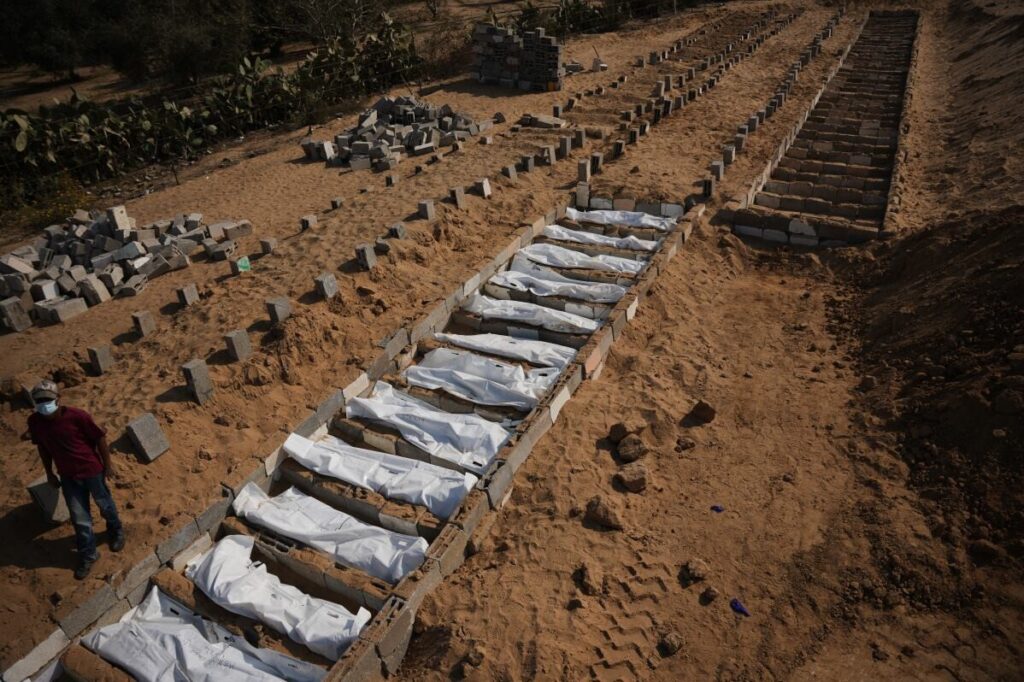
The ongoing exchanges—22 bodies returned since last month’s ceasefire began alongside 20 living hostages freed—are mired in accusations from both sides about breaches and delays. Israel has delivered hundreds of bodies as part of this grim quid pro quo; meanwhile, Gaza’s health officials cite logistical nightmares caused by widespread destruction hindering identification processes.
This morbid barter reflects an unsettling reality: peace talks are overshadowed by raw political calculations where human dignity is negotiable. What message does it send about our commitment to freedom and sovereignty if we allow terror organizations to dictate terms through hostage-taking and refusal to honor basic humanitarian norms?
For hardworking Americans watching from thousands of miles away, Joshua’s identification should prompt reflection on how foreign policy decisions impact real lives—how America’s steadfast support for Israel underpins stability not only in the Middle East but globally. It also demands vigilance against globalist complacency that overlooks threats posed by terrorist holdouts exploiting every ceasefire breach.
The path forward requires unwavering resolve: supporting sovereign nations defending their citizens while pushing for transparent negotiations that prioritize human life over political gamesmanship. How much more suffering must families endure before governments worldwide hold terrorists accountable unequivocally?